
Del i serien Studies in Design and Material Culture
Threads of globalization
Fashion, textiles, and gender in Asia in the long twentieth century
Häftad, Engelska, 2026
579 kr
Beställningsvara. Skickas inom 5-8 vardagar. Fri frakt för medlemmar vid köp för minst 249 kr.
Finns i fler format (1)
Threads of globalization is an interdisciplinary volume that brings fashion-specific garments, motifs, materials, and methods of production into dialogue with gender and identity in various cultures throughout Asia during the long twentieth century. It examines how the shift from artisanal production to 'fast fashion' over the past 150 years has devalued women’s textile labour and how skilled textile/ garment makers and the organizations that support them are preserving and reviving heritage traditions. It also offers examples of how socially engaged artists in Asia and the diaspora use their work to criticize labour and environmental abuses in the global fashion industry.
Produktinformation
- Utgivningsdatum2026-01-20
- Mått170 x 240 x 18 mm
- Vikt538 g
- FormatHäftad
- SpråkEngelska
- SerieStudies in Design and Material Culture
- Antal sidor336
- FörlagManchester University Press
- ISBN9781526194770
Tillhör följande kategorier
Hoppa över listan
Mer från samma författare
Del 48
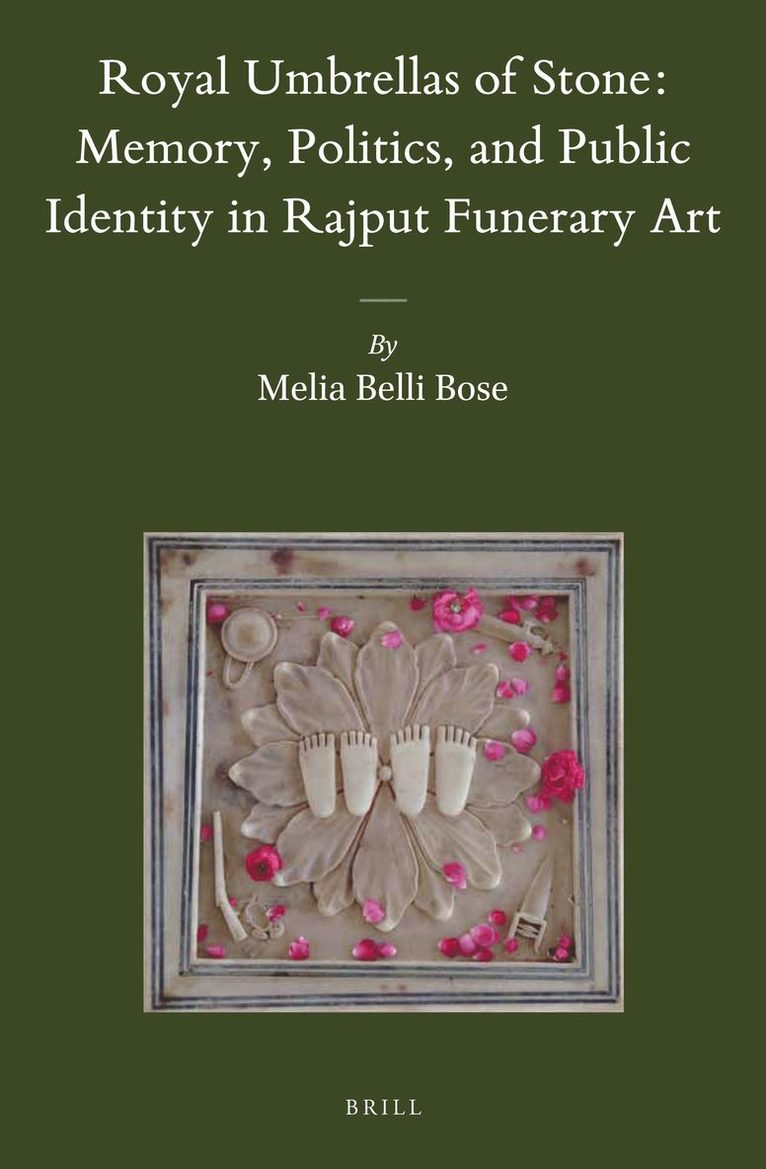
Royal Umbrellas of Stone: Memory, Politics, and Public Identity in Rajput Funerary Art
Melia Belli Bose
Inbunden, 2015
2 939 kr
Hoppa över listan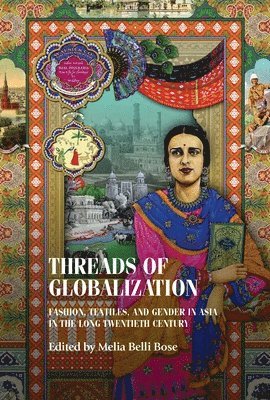




Du kanske också är intresserad av
Del 48
Royal Umbrellas of Stone: Memory, Politics, and Public Identity in Rajput Funerary Art
Melia Belli Bose
Inbunden, 2015
2 939 kr
- Nyhet
- Nyhet
Del 4
