
Del i serien Critical Inquiries in Comparative Philosophy
Theories of Truth in Chinese Philosophy
A Comparative Approach
Häftad, Engelska, 2015
909 kr
Beställningsvara. Skickas inom 10-15 vardagar. Fri frakt för medlemmar vid köp för minst 249 kr.
Finns i fler format (1)
Theories of Truth in Chinese Philosophy deals with debates surrounding the concept of truth in early Chinese thought, from the earliest periods through to the Han dynasty. Alexus McLeod focuses first on the question of whether there is a concept of truth in early Chinese thought, giving a critical overview of the positions of contemporary scholars on this issue, outlining their arguments and considering objections and possible problems and alternatives. McLeod then goes on to consider a number of possible theories of truth in early Chinese philosophy, giving an overview of what he takes to be the main contenders for truth concepts in the early material, and surrounding concepts and positions.In addition, the author considers how these theories of truth might be relevant in contemporary debates surrounding truth, as well as in the context of theories of truth in the history of philosophy, both in Western and Indian thought.
Produktinformation
- Utgivningsdatum2015-12-01
- Mått151 x 230 x 15 mm
- Vikt327 g
- FormatHäftad
- SpråkEngelska
- SerieCritical Inquiries in Comparative Philosophy
- Antal sidor216
- FörlagBloomsbury Publishing PLC
- ISBN9781783483457
Tillhör följande kategorier
Hoppa över listan


Mer från samma författare
Bloomsbury Research Handbook of Early Chinese Ethics and Political Philosophy
Alexus McLeod
Inbunden, 2019
2 719 kr
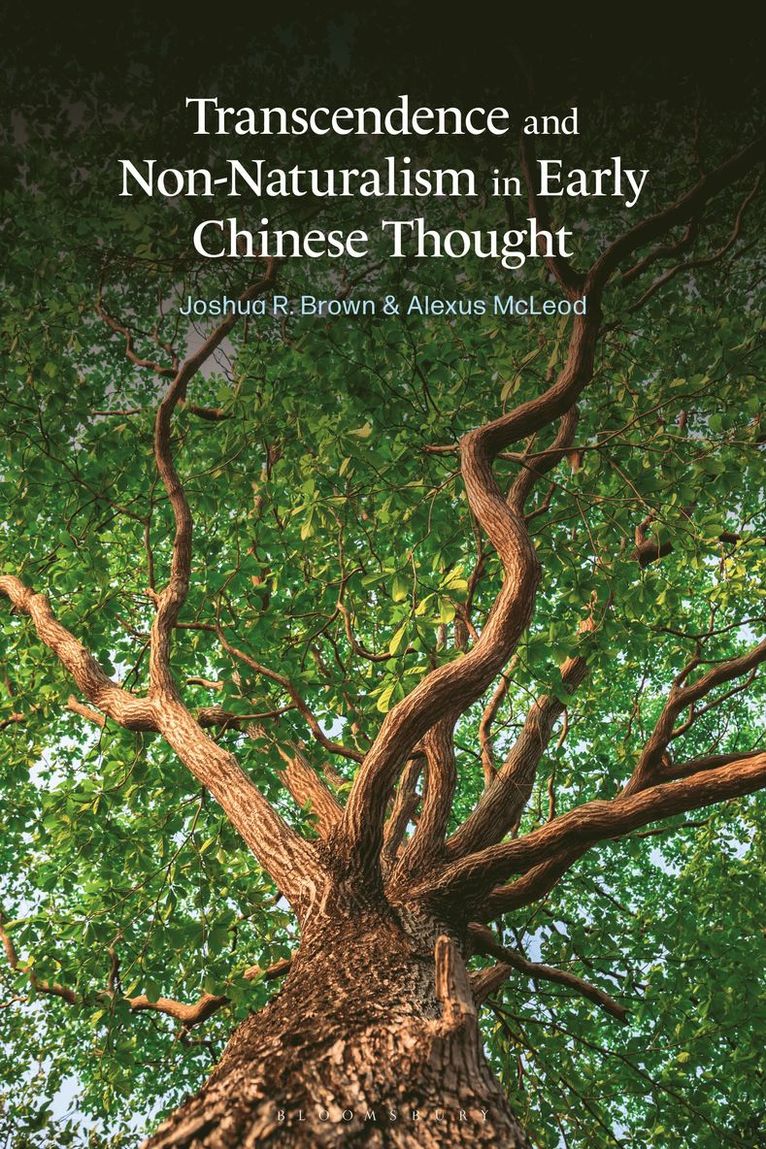
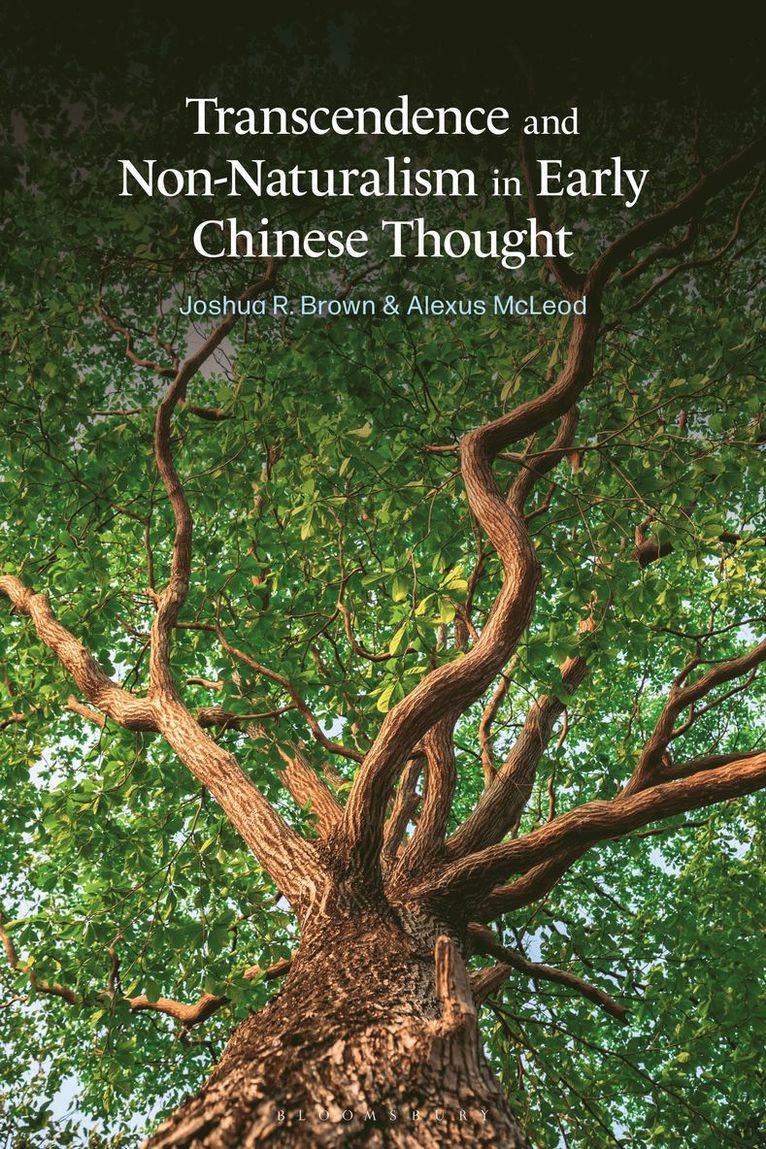
Transcendence and Non-Naturalism in Early Chinese Thought
Alexus McLeod, Joshua R. Brown
Inbunden, 2020
1 999 kr
Transcendence and Non-Naturalism in Early Chinese Thought
Alexus McLeod, Joshua R. Brown
Häftad, 2022
589 kr
Bloomsbury Research Handbook of Early Chinese Ethics and Political Philosophy
Alexus McLeod
Häftad, 2022
789 kr
Hoppa över listan
Du kanske också är intresserad av
Transcendence and Non-Naturalism in Early Chinese Thought
Alexus McLeod, Joshua R. Brown
Inbunden, 2020
1 999 kr