
Del i serien Ashgate Studies in Medieval Philosophy
Theology at Paris, 1316–1345
Peter Auriol and the Problem of Divine Foreknowledge and Future Contingents
Inbunden, Engelska, 2000
3 219 kr
Beställningsvara. Skickas inom 10-15 vardagar. Fri frakt för medlemmar vid köp för minst 249 kr.
Chris Schabel presents a detailed analysis of the radical solution given by the Franciscan Peter Auriol to the problem of reconciling divine foreknowledge with the contingency of the future, and of contemporary reactions to it. Auriol's solution appeared to many of his contemporaries to deny God's knowledge of the future altogether, and so it provoked intense and long-lasting controversy; Schabel is the first to examine in detail the philosophical and theological background to Auriol's discussion, and to provide a full analysis of Auriol's own writings on the question and the immediate reactions to them. This book sheds new light both on one of the central philosophical debates of the Middle Ages, and on theology and philosophy at the University of Paris in the first half of the 14th century, a period of Parisian intellectual life which has been largely neglected until now.
Produktinformation
- Utgivningsdatum2000-12-29
- Mått148 x 210 x 28 mm
- Vikt870 g
- FormatInbunden
- SpråkEngelska
- SerieAshgate Studies in Medieval Philosophy
- Antal sidor382
- FörlagTaylor & Francis Ltd
- ISBN9780754602040
Tillhör följande kategorier
Hoppa över listan

Mer från samma författare
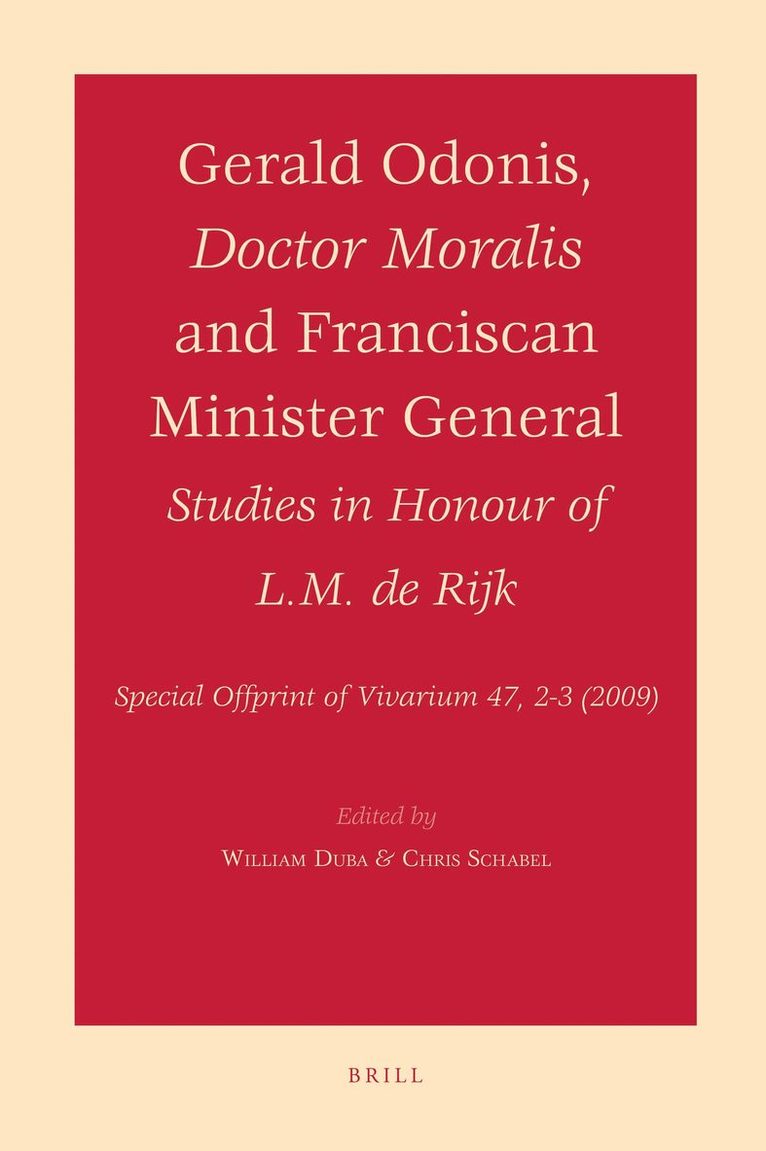
Gerald Odonis, Doctor Moralis and Franciscan Minister General
William Duba, Chris Schabel
Häftad, 2009
3 049 kr
Hoppa över listan


Mer från samma serie
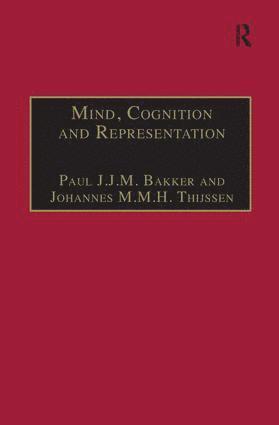
Mind, Cognition and Representation
Paul J.J.M. Bakker, Johannes M.M.H. Thijssen
Inbunden, 2008
4 029 kr
Hoppa över listan
Du kanske också är intresserad av
Gerald Odonis, Doctor Moralis and Franciscan Minister General
William Duba, Chris Schabel
Häftad, 2009
3 049 kr
Mind, Cognition and Representation
Paul J.J.M. Bakker, Johannes M.M.H. Thijssen
Inbunden, 2008
4 029 kr