
Del i serien Religious Ethics and Environmental Challenges
Theological and Ethical Perspectives on Climate Engineering
Calming the Storm
Inbunden, Engelska, 2016
1 639 kr
Beställningsvara. Skickas inom 10-15 vardagar. Fri frakt för medlemmar vid köp för minst 249 kr.
The climate is changing as an unintended consequence of human industrialization and consumerism. Recently some scientists and engineers have suggested climate engineering—technological solutions that would intentionally change the climate to make it more hospitable. This approach focuses on large-scale technologies to alleviate the worst effects of anthropogenic climate change. This book considers the moral, philosophical, and religious questions raised by such proposals, bringing Christian theology and ethics into the conversation about climate engineering for the first time. The contributors have different views on whether climate engineering is morally acceptable and on what kinds of climate engineering are most promising and most dangerous, but all agree that religion has a vital role to play in the analysis and decisions called for on this vital issue.Calming the Storm presents diverse perspectives on some of the most vital questions raised by climate engineering: Who has the right to make decisions about such global technological efforts? What have we learned from the decisions that caused the climate to change that might shed light on efforts to reverse that change? What frameworks and metaphors are helpful in thinking about climate engineering, and which are counterproductive? What religious beliefs, practices, and rituals can help people to imagine and evaluate the prospect of engineering the climate?
Produktinformation
- Utgivningsdatum2016-09-09
- Mått162 x 234 x 23 mm
- Vikt513 g
- FormatInbunden
- SpråkEngelska
- SerieReligious Ethics and Environmental Challenges
- Antal sidor242
- FörlagBloomsbury Publishing Plc
- ISBN9781498523585
Tillhör följande kategorier
Hoppa över listan



Du kanske också är intresserad av
Environmental Hermeneutics in the Anthropocene
David Utsler, Forrest Clingerman, Brian Treanor
Inbunden, 2025
3 209 kr
Placing Nature on the Borders of Religion, Philosophy and Ethics
Forrest Clingerman, Mark H. Dixon
Häftad, 2021
899 kr
Placing Nature on the Borders of Religion, Philosophy and Ethics
Forrest Clingerman, Mark H. Dixon
Inbunden, 2011
3 209 kr
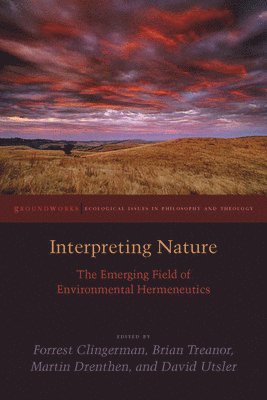
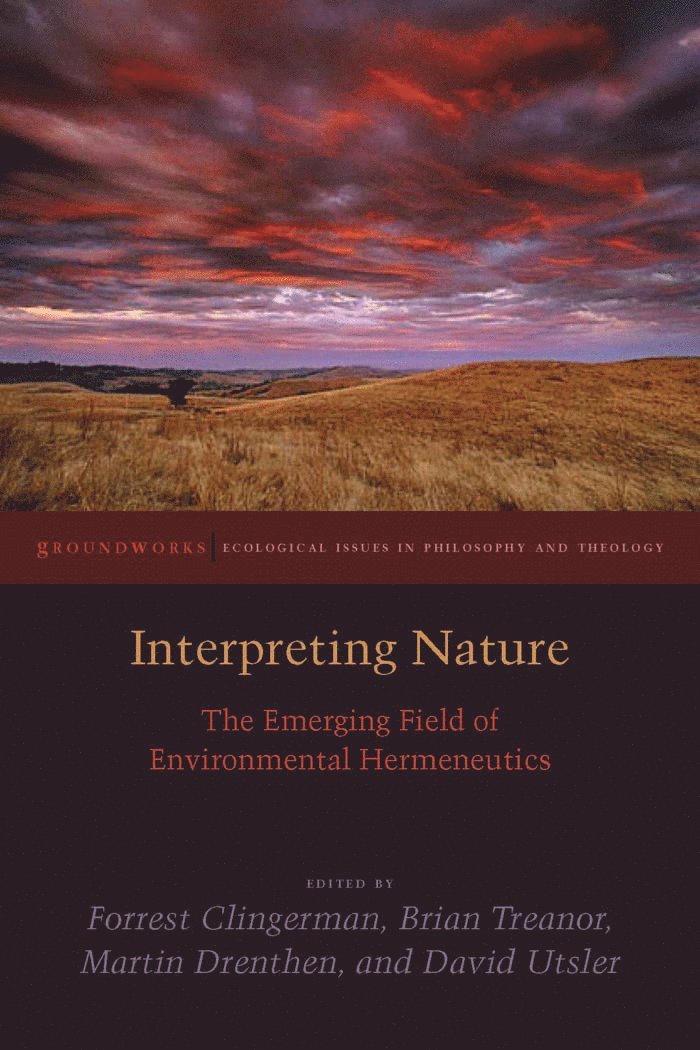
Interpreting Nature
Brian Treanor, Martin Drenthen, David Utsler, Forrest Clingerman
Häftad, 2013
679 kr
Interpreting Nature
Brian Treanor, Martin Drenthen, David Utsler, Forrest Clingerman
Inbunden, 2013
1 929 kr