
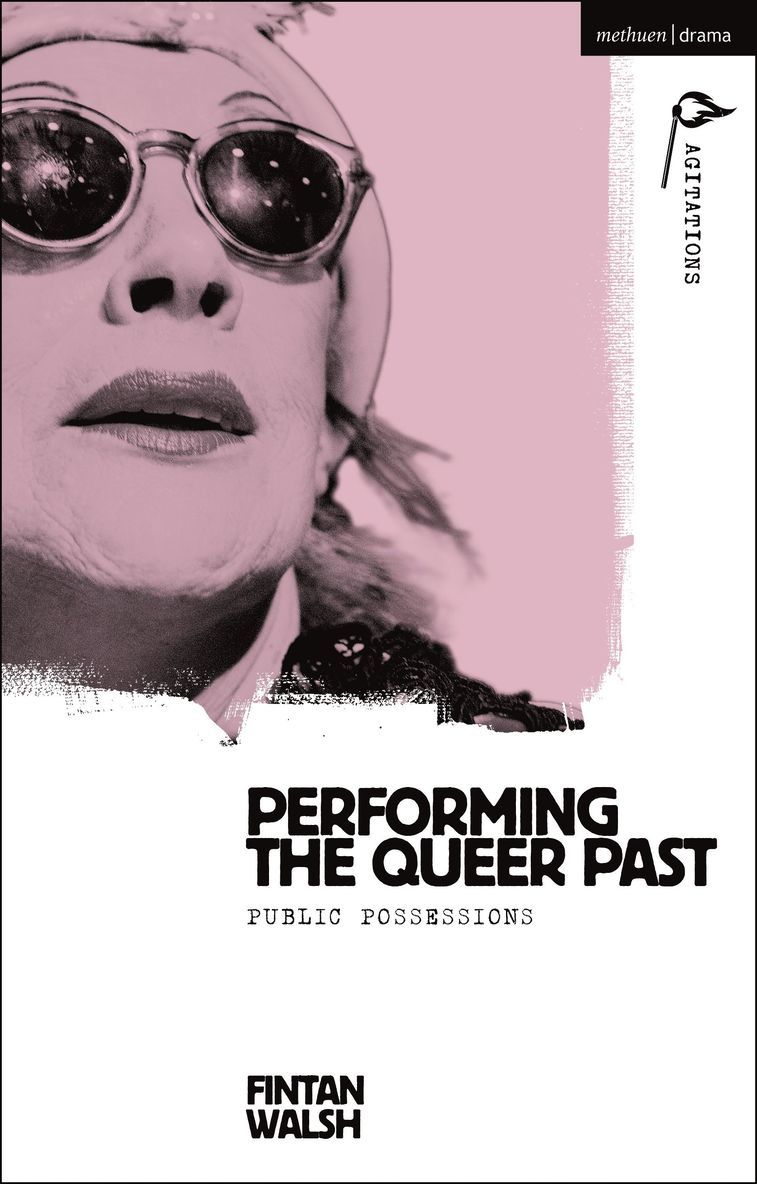
Theatre and its Audiences
Reimagining the Relationship in Times of Crisis
Inbunden, Engelska, 2024
1 309 kr
Beställningsvara. Skickas inom 10-15 vardagar. Fri frakt för medlemmar vid köp för minst 249 kr.
Finns i fler format (1)
Written in the aftermath of the Covid crisis, this open access book brings the past, present and future of theatre-going together as it explores the nature of the relationships between performance practitioners, arts organisations and their audiences.Proposing that the pandemic forced a re-evaluation of what it means to be an audience, and combining historical and current cultural sector perspectives, the book reflects on how historical conventions have conditioned present day expectations of theatre-going in the UK. Helen Freshwater examines the ways in which developments in technology, architecture and forms of communication have influenced what is expected by and of audiences, reflecting changes in theatre’s cultural status and place in our lives.Drawing on the first-hand experiences of festival director and performance practitioner Kate Craddock, it also contends that practitioners now need to turn their attention to care, access and sustainability, arguing that the pandemic taught us, above all, that it is possible to do things differently. Part vision, part provocation, part critical interrogation, Theatre and its Audiences offers an insightful appraisal of past norms and assumptions to set out a bold argument about where we should go from here.The ebook editions of this book are available open access under a CC BY-NC-ND 4.0 licence on bloomsburycollections.com. Open access was funded by Newcastle University.
Produktinformation
- Utgivningsdatum2024-01-25
- Mått146 x 218 x 18 mm
- Vikt400 g
- FormatInbunden
- SpråkEngelska
- SerieMethuen Drama Agitations: Text, Politics and Performances
- Antal sidor240
- FörlagBloomsbury Publishing PLC
- ISBN9781350339163
Hoppa över listan


Mer från samma serie
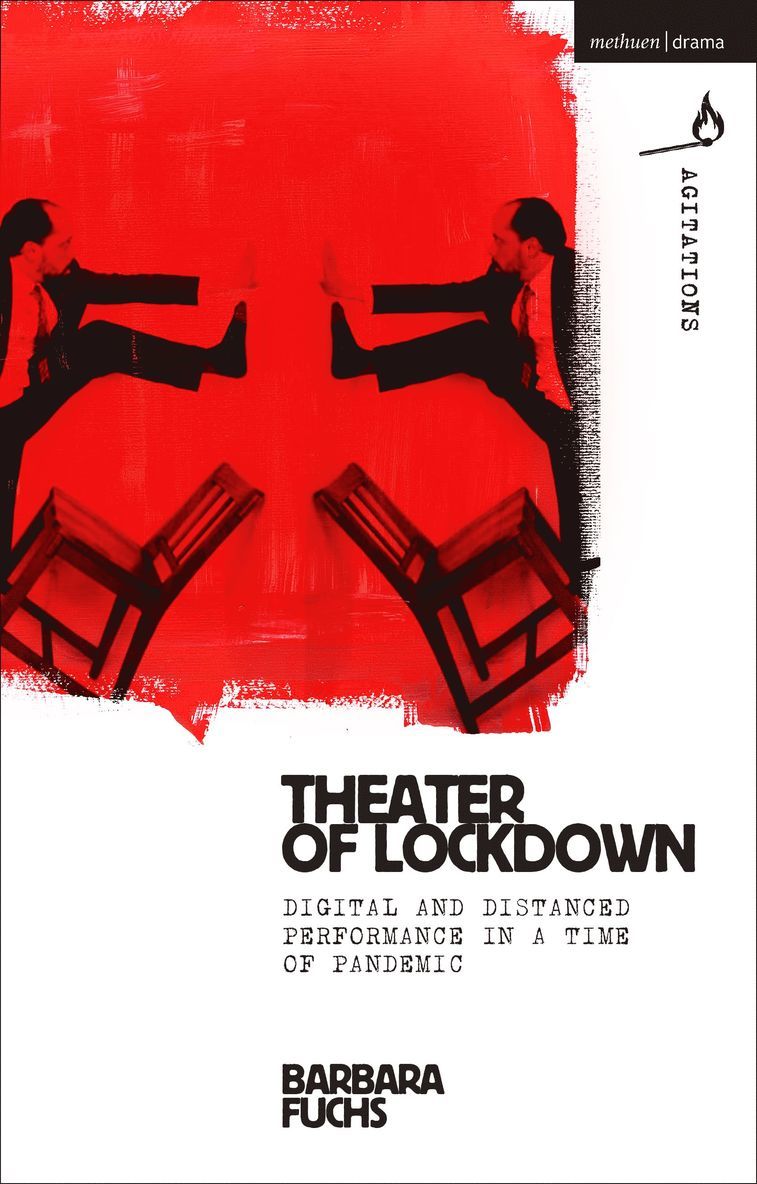
Theater of Lockdown
Barbara Fuchs, William C. Boles, William C Boles, Anja Hartl
Inbunden, 2021
1 779 kr
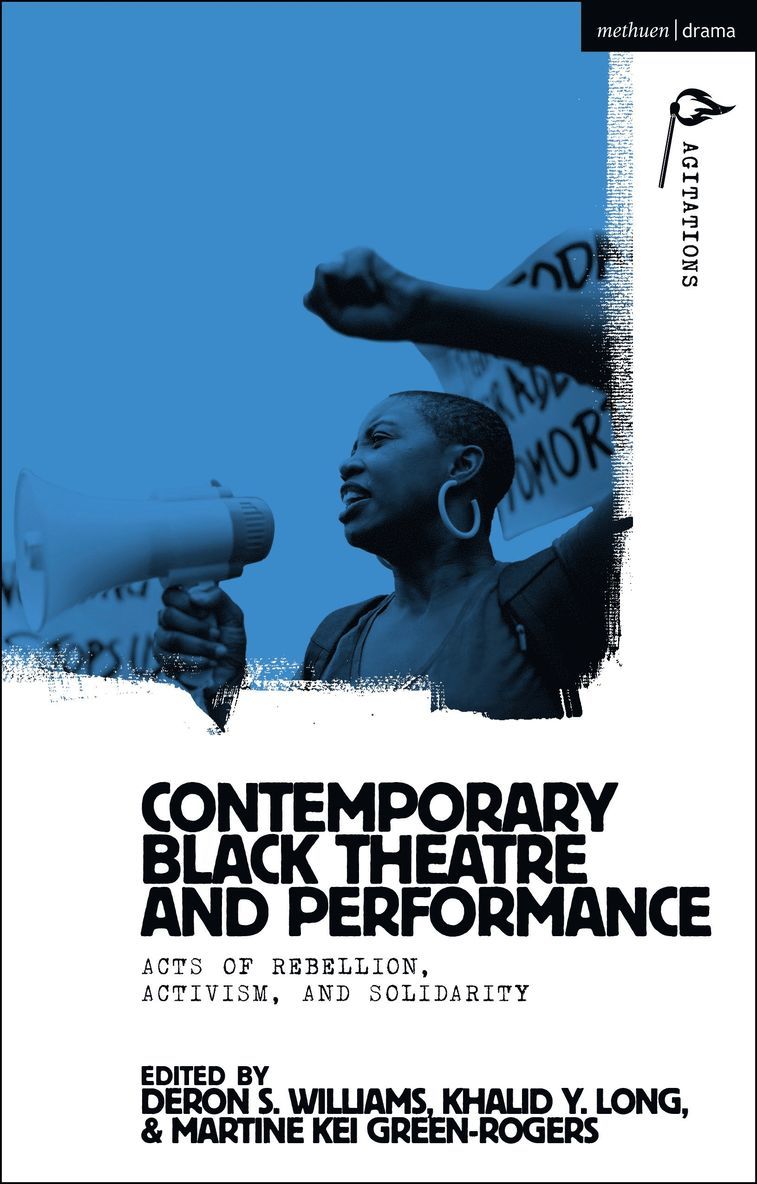
Contemporary Black Theatre and Performance
DeRon S. Williams, Khalid Y. Long, Martine Kei Green-Rogers
Häftad, 2023
399 kr
Contemporary Black Theatre and Performance
DeRon S. Williams, Khalid Y. Long, Martine Kei Green-Rogers
Inbunden, 2023
1 309 kr
Hoppa över listan



Du kanske också är intresserad av
Theatre and its Audiences
Kate Craddock, Helen Freshwater, Anja Hartl, William C Boles
Häftad, 2024
399 kr
Theatre and Audience
Lois Weaver, Helen Freshwater, Margherita Laera, Natalie Alvarez
Häftad, 2009
159 kr
Theater of Lockdown
Barbara Fuchs, William C. Boles, William C Boles, Anja Hartl
Inbunden, 2021
1 779 kr