
Del i serien Cambridge Library Collection - Philosophy
The Varieties of Religious Experience
A Study in Human Nature
Häftad, Engelska, 2011
1 019 kr
Beställningsvara. Skickas inom 5-8 vardagar. Fri frakt för medlemmar vid köp för minst 249 kr.
Finns i fler format (3)
The Gifford Lectures were established in 1885 at the universities of St Andrews, Glasgow, Aberdeen and Edinburgh to promote the discussion of 'Natural Theology in the widest sense of the term - in other words, the knowledge of God', and some of the world's most influential thinkers have delivered them. The 1901-2 lectures given in Edinburgh by American philosopher William James (1842-1910) are considered by many to be the greatest in the series. The lectures were published in book form in 1902 and have been reprinted many times. James, who was educated in the United States and Europe, and spent much of his career teaching philosophy at Harvard, was very influential in the development of modern psychology, and in these twenty lectures he explores the personal experience of religion. Some of the topics include religion and neurology, 'the sick soul', saintliness, and mysticism.
Produktinformation
- Utgivningsdatum2011-12-01
- Mått140 x 216 x 31 mm
- Vikt700 g
- FormatHäftad
- SpråkEngelska
- SerieCambridge Library Collection - Philosophy
- Antal sidor554
- FörlagCambridge University Press
- ISBN9781108040877
Tillhör följande kategorier
Hoppa över listan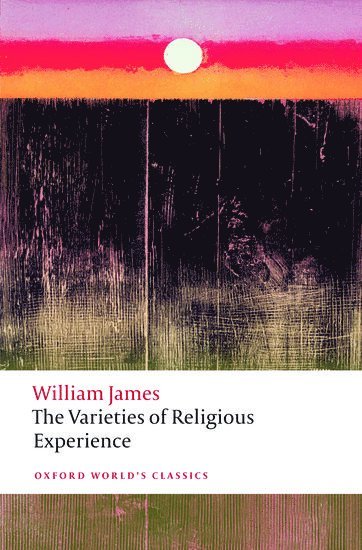








Du kanske också är intresserad av
- Nyhet
Del 3
- Nyhet
Del 11
- Nyhet
Del 6
- Nyhet
Del 4
Del 3
Del 1
Del 2