
Del i serien Companions to Russian Literature
"The Nose"
A Stylistic and Critical Companion to Nikolai Gogol’s Story
Häftad, Engelska, 2021
439 kr
Skickas . Fri frakt för medlemmar vid köp för minst 249 kr.
Finns i fler format (1)
This literary guide leads students with advanced knowledge of Russian as well as experienced scholars through the text of Nikolai Gogol’s absurdist masterpiece “The Nose.” Part I focuses on numerous instances of the writer’s wordplay, which is meant to surprise and delight the reader, but which often is lost in English translations. It traces Gogol’s descriptions of everyday life in St. Petersburg, familiar to the writer’s contemporaries and fellow citizens but hidden from the modern Western reader. Part II presents an overview of major critical interpretations of the story in Gogol scholarship from the time of its publication to the present, as well as its connections to the works of Shostakovich, Kafka, Dalí, and Kharms.
Produktinformation
- Utgivningsdatum2021-05-06
- Mått155 x 234 x 18 mm
- Vikt340 g
- FormatHäftad
- SpråkEngelska
- SerieCompanions to Russian Literature
- Antal sidor238
- FörlagAcademic Studies Press
- ISBN9781644695203
Tillhör följande kategorier
Hoppa över listan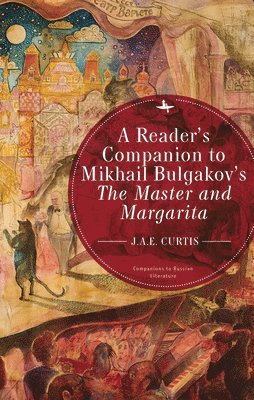
Mer från samma serie
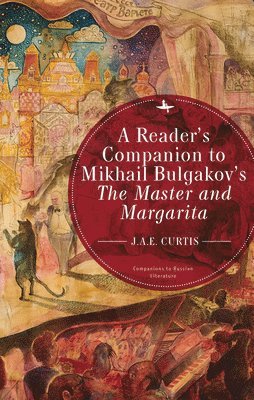
Reader’s Companion to Mikhail Bulgakov’s The Master and Margarita
J.A.E. Curtis
Inbunden, 2020
1 789 kr