
The Memory of the Modern
Inbunden, Engelska, 1996
4 519 kr
Beställningsvara. Skickas inom 5-8 vardagar. Fri frakt för medlemmar vid köp för minst 249 kr.
Finns i fler format (1)
A multidisciplinary work, Memory of the Modern examines stock markets, tango dancers, vagabond murderers, neurology, monument destruction, and colonial policies to document how individuals and institutions shaped memory in the late nineteenth and early twentieth centuries. Wonderfully written, the book studies these diverse "memory-sites" to show how memory and history are fought over, shaped, and put to personal and ideological use.
Produktinformation
- Utgivningsdatum1996-09-12
- Mått165 x 241 x 24 mm
- Vikt520 g
- FormatInbunden
- SpråkEngelska
- Antal sidor264
- FörlagOUP USA
- ISBN9780195093643
Tillhör följande kategorier
Hoppa över listan


Mer från samma författare
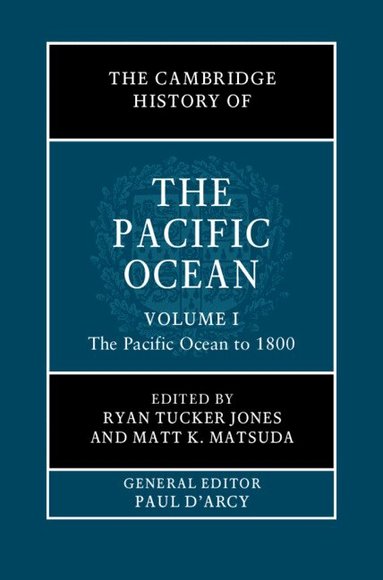
The Cambridge History of the Pacific Ocean: Volume 1, The Pacific Ocean to 1800
Ryan Tucker Jones, Matt K. Matsuda
Inbunden, 2023
2 459 kr
Hoppa över listan




Du kanske också är intresserad av
The Oxford Handbook of the Archaeology of the Contemporary World
Graves-Brown, Paul Graves-Brown, Rodney Harrison, Angela Piccini
Inbunden, 2013
4 519 kr
Columbia Anthology of Modern Chinese Literature
Joseph S. M. Lau, Howard Goldblatt
Inbunden, 2007
4 519 kr
Role of AI Platforms in Driving Clinical Research and Innovation
Otmane Azeroual
Inbunden, 2026
4 519 kr
Columbia Anthology of Chinese Folk and Popular Literature
Victor Mair, Mark Bender
Inbunden, 2011
4 519 kr