
The Literary Culture of the Reformation
Grammar and Grace
Inbunden, Engelska, 2002
7 639 kr
Beställningsvara. Skickas inom 7-10 vardagar. Fri frakt för medlemmar vid köp för minst 249 kr.
Finns i fler format (1)
The Literary Culture of the Reformation examines the place of literature in the Reformation, considering both how arguments about biblical meaning and literary interpretation influenced the new theology, and how developments in theology in turn influenced literary practices. Part One focuses on Northern Europe, reconsidering the relationship between Renaissance humanism (especially Erasmus) and religious ideas (especially Luther). Parts Two and Three examine Tudor and early Stuart England. Part Two describes the rise of vernacular theology and protestant culture in relation to fundamental changes in the understanding of the English language. Part Three studies English religious poetry (including Donne, Herbert, and in an Epilogue, Milton) in the wake of these changes. Bringing together genres and styles of writing which are normally kept apart (poems, sermons, treatises, commentaries) Brian Cummings offers a major re-evaluation of the literary production of this intensely verbal and controversial period.
Produktinformation
- Utgivningsdatum2002-12-05
- Mått145 x 223 x 30 mm
- Vikt729 g
- FormatInbunden
- SpråkEngelska
- Antal sidor488
- FörlagOUP OXFORD
- ISBN9780198187356
Tillhör följande kategorier
Hoppa över listan

Mer från samma författare
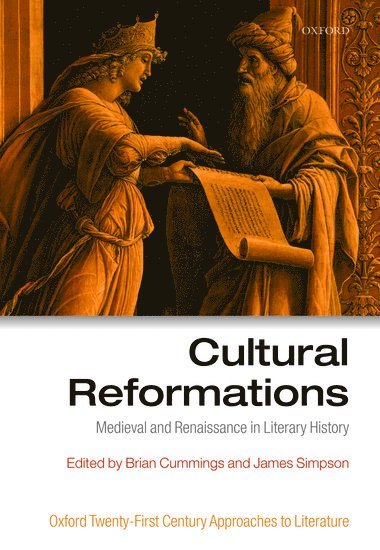
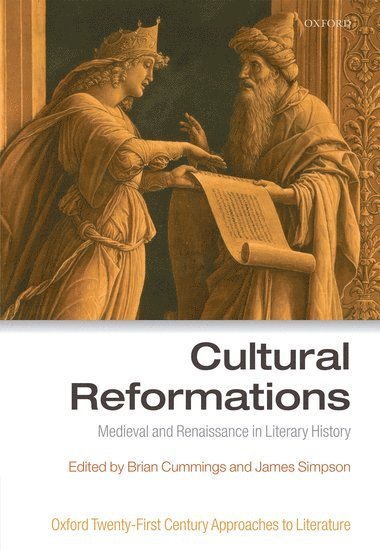
Cultural Reformations
Brian Cummings, James Simpson, Brian Cummings, James Simpson
Inbunden, 2010
5 449 kr
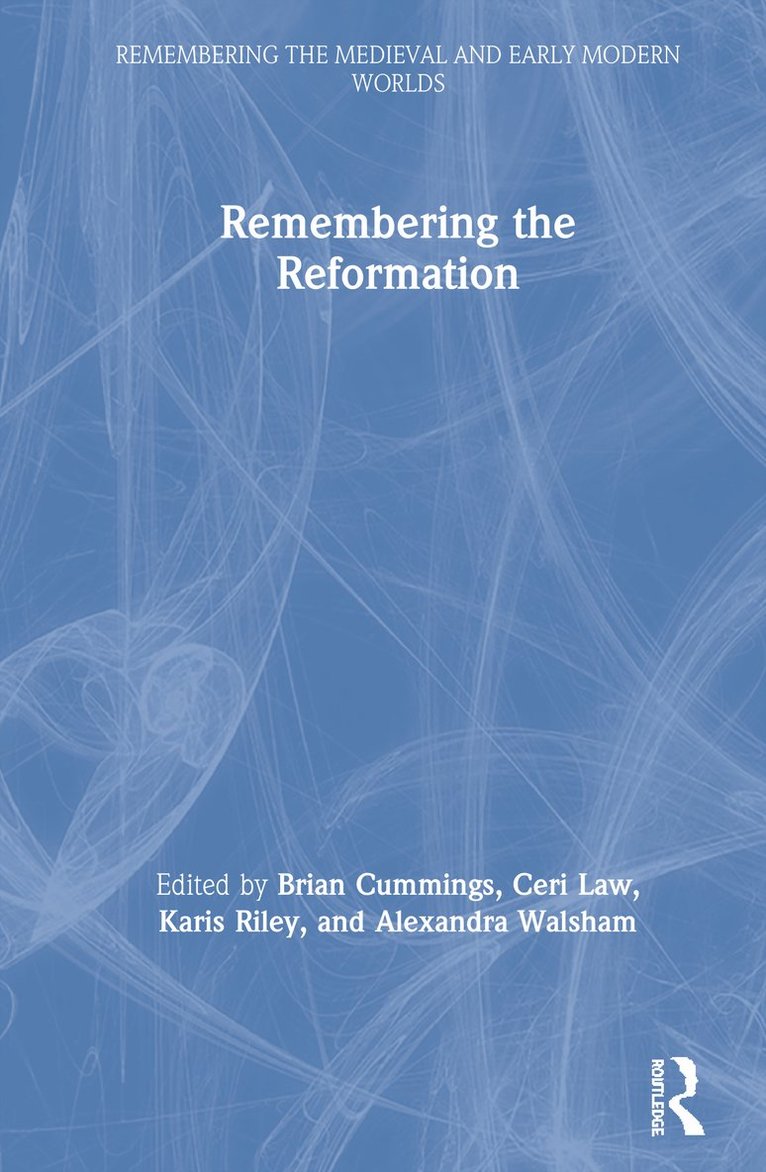
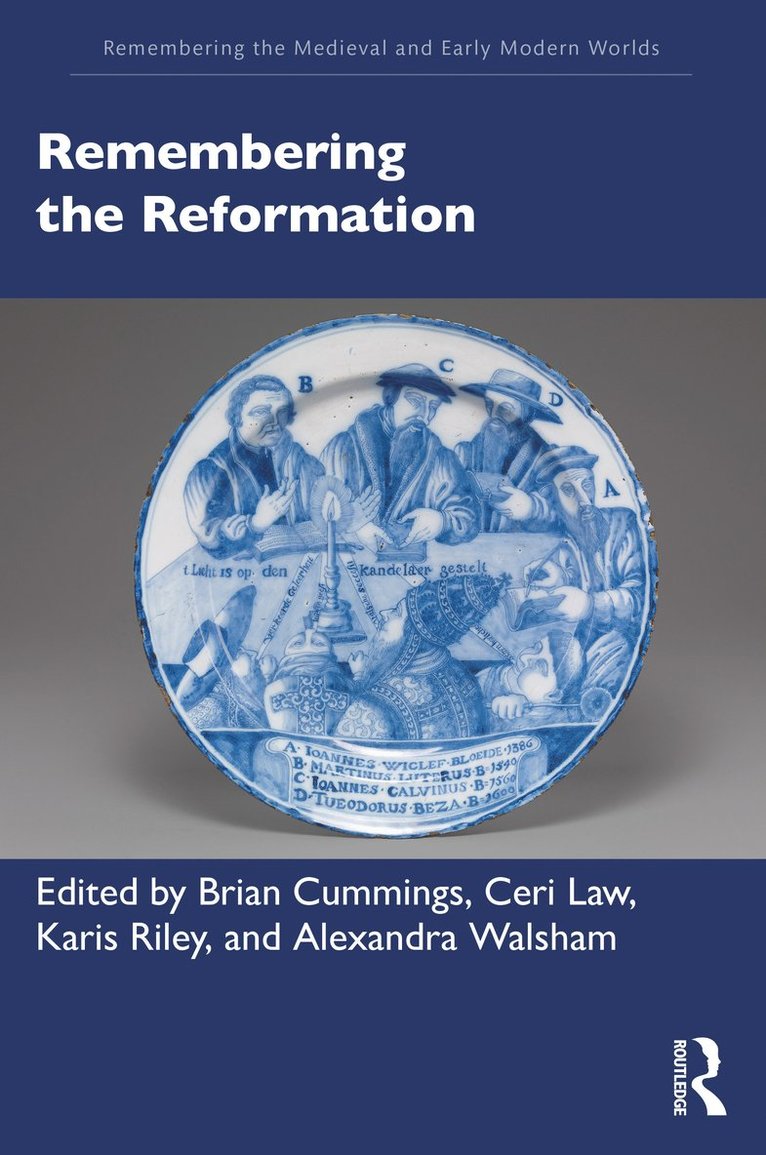
Remembering the Reformation
Alexandra Walsham, Brian Cummings, Ceri Law, Karis Riley
Inbunden, 2020
3 209 kr
Remembering the Reformation
Alexandra Walsham, Brian Cummings, Ceri Law, Karis Riley
Häftad, 2020
829 kr
Hoppa över listan
Du kanske också är intresserad av
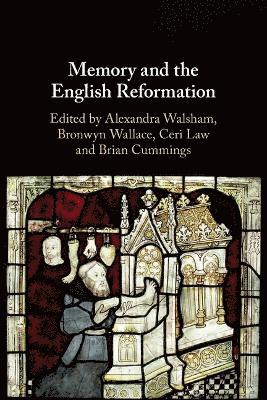
Memory and the English Reformation
Alexandra Walsham, Bronwyn Wallace, Ceri Law, Brian Cummings
Inbunden, 2020
2 859 kr
Cultural Reformations
Brian Cummings, James Simpson, Brian Cummings, James Simpson
Inbunden, 2010
5 449 kr
Passions and Subjectivity in Early Modern Culture
Freya Sierhuis, Brian Cummings
Inbunden, 2013
3 489 kr
Memory and the English Reformation
Alexandra Walsham, Bronwyn Wallace, Ceri Law, Brian Cummings
Häftad, 2025
589 kr