
Del 44 i serien New Studies in Economic and Social History
The Growth of the Italian Economy, 1820-1960
Häftad, Engelska, 2001
579 kr
Beställningsvara. Skickas inom 5-8 vardagar. Fri frakt för medlemmar vid köp för minst 249 kr.
Finns i fler format (1)
This volume in the New Studies in Economic and Social History series examines Italy's transformation from a largely rural state in the nineteenth century to today's industrial powerhouse. At the time of unification in 1861, much of the country was backward, poor, and agrarian: few would have believed that a hundred years later Italy would become one of the seven largest industrial countries, its people among the wealthiest in the world. This process of development and structural change has generated an enormous and evolving literature, alive with controversies and compelling insights. New research and reinterpretation of existing data have led to a reevaluation of the nature of Italian Dualism, while revisions to national income accounts are modifying the traditional picture of economic growth. Jon Cohen and Giovanni Federico provide a concise, up-to-date account of this literature, highlighting new views on old issues, and signalling areas in need of further research.
Produktinformation
- Utgivningsdatum2001-09-06
- Mått137 x 218 x 12 mm
- Vikt216 g
- FormatHäftad
- SpråkEngelska
- SerieNew Studies in Economic and Social History
- Antal sidor146
- FörlagCambridge University Press
- ISBN9780521666923
Tillhör följande kategorier
Hoppa över listan





Mer från samma författare
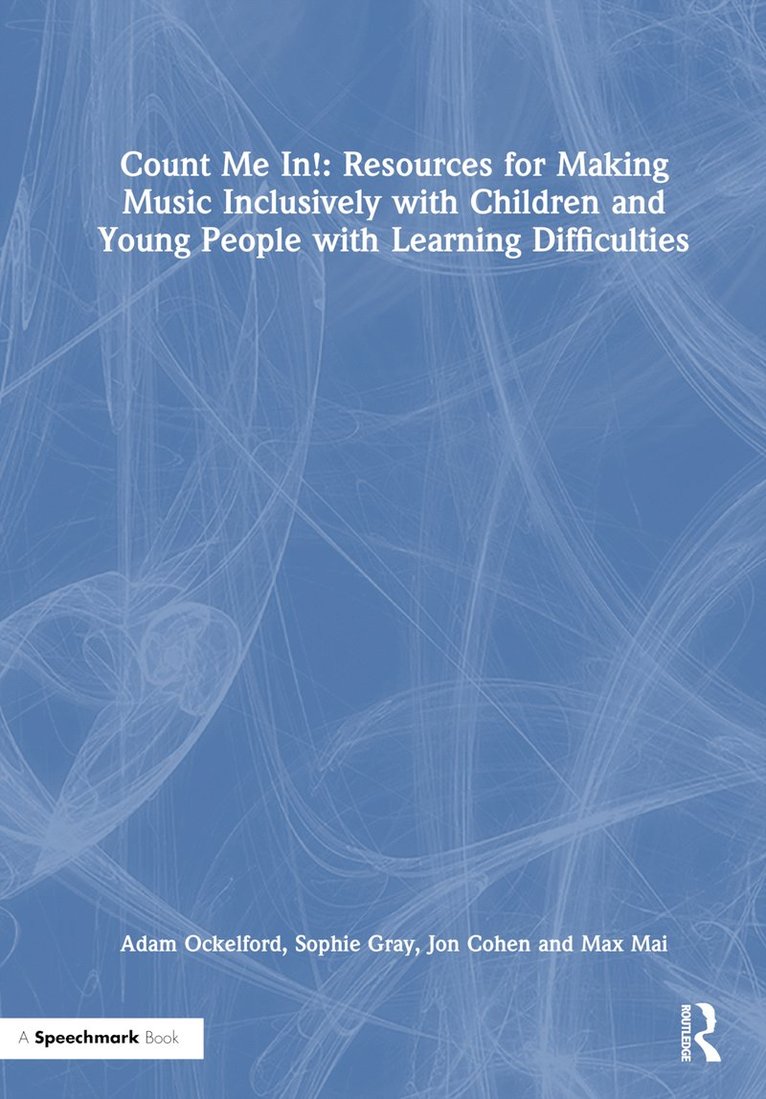
Count Me In!: Resources for Making Music Inclusively with Children and Young People with Learning Difficulties
Adam Ockelford, Sophie Gray, Jon Cohen, Max Mai
Inbunden, 2023
2 549 kr
Count Me In!: Resources for Making Music Inclusively with Children and Young People with Learning Difficulties
Adam Ockelford, Sophie Gray, Jon Cohen, Max Mai
Häftad, 2023
519 kr
Hoppa över listan
Mer från samma serie
Del 48
Del 1
Approaches to the History of the Western Family 1500-1914
Michael Anderson, Maurice Kirby
Inbunden, 1995
939 kr
Del 2
Del 4
Del 6
Del 7
Del 8
Del 9
Del 10
Del 11
Hoppa över listan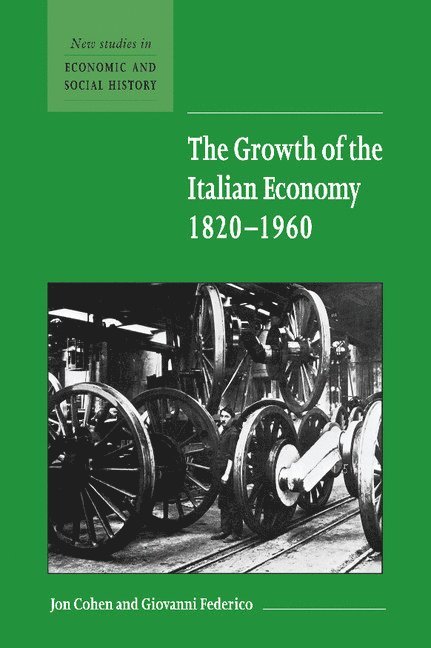
Du kanske också är intresserad av
Del 44
Del 5
Count Me In!: Resources for Making Music Inclusively with Children and Young People with Learning Difficulties
Adam Ockelford, Sophie Gray, Jon Cohen, Max Mai
Häftad, 2023
519 kr
Del 5
An Economic History of the Silk Industry, 1830-1930
Giovanni Federico, Charles Feinstein, Patrick O'Brien
Inbunden, 1997
2 129 kr
Del 3