
Del 67 i serien Cambridge Studies in American Literature and Culture
The Grounding of American Poetry
Charles Olson and the Emersonian Tradition
Inbunden, Engelska, 1993
1 939 kr
Beställningsvara. Skickas inom 5-8 vardagar. Fri frakt för medlemmar vid köp för minst 249 kr.
Finns i fler format (1)
Stephen Fredman asserts in his work that American poetry is groundless - that each generation of American poets faces the problem of identity anew and has to discover fresh meaning for itself. His argument focuses on four pairs of poets - Eliot/Williams, Thoreau/Olson, Emerson/Duncan and Whitman/Creeley - and points out that although the later ones all were influenced by their predecessors to some extent, ultimately their poetry is, paradoxically, grounded in an essential groundlessness. In order to demonstrate how approaches to groundlessness have persisted over time, Fredman explores the various measures taken by these American poets to provide a provisional ground upon which to construct their poetry: inventing idiosyncratic traditions, forming poetic communities, engaging in polemical prose, assessing all the dimensions of particular places and treating words as emblematic and mysterious objects. At the very core of the book stands Charles Olson, whose work so dramatically articulates the whole range of issues arising from the American poet's anxious search for and resistance t, an authentic and unified tradition.
Produktinformation
- Utgivningsdatum1993-05-28
- Mått160 x 237 x 13 mm
- Vikt399 g
- FormatInbunden
- SpråkEngelska
- SerieCambridge Studies in American Literature and Culture
- Antal sidor186
- FörlagCambridge University Press
- ISBN9780521443036
Tillhör följande kategorier
Hoppa över listan

Mer från samma författare
Del 44
Del 44
Del 13
Concise Companion to Twentieth-Century American Poetry
Fredman, Stephen Fredman
Inbunden, 2005
2 249 kr
Del 14
Form, Power, and Person in Robert Creeley's Life and Work
Stephen Fredman, Steve McCaffery
Inbunden, 2010
909 kr
Hoppa över listan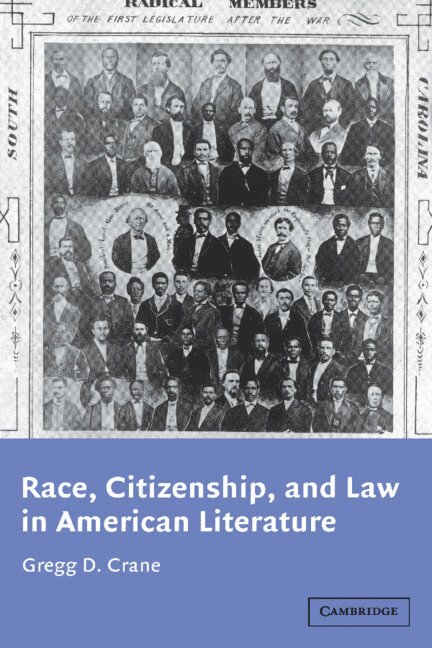


Mer från samma serie
Del 128
Del 147
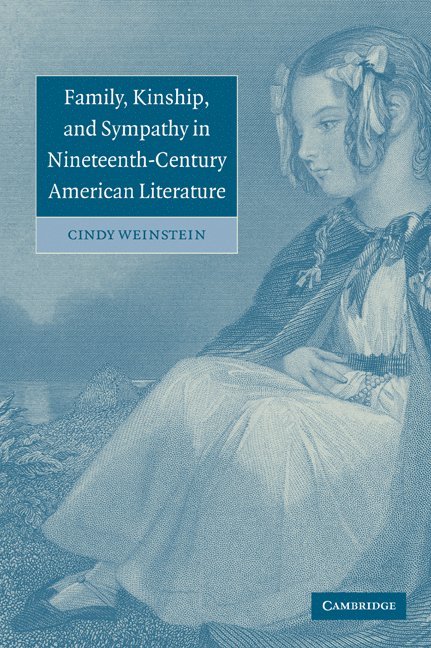
Family, Kinship, and Sympathy in Nineteenth-Century American Literature
Cindy Weinstein, Albert Gelpi
Häftad, 2006
979 kr
Del 134
Del 135
Del 133
Del 90
Del 108
Del 48
Del 143
Del 89
Hoppa över listan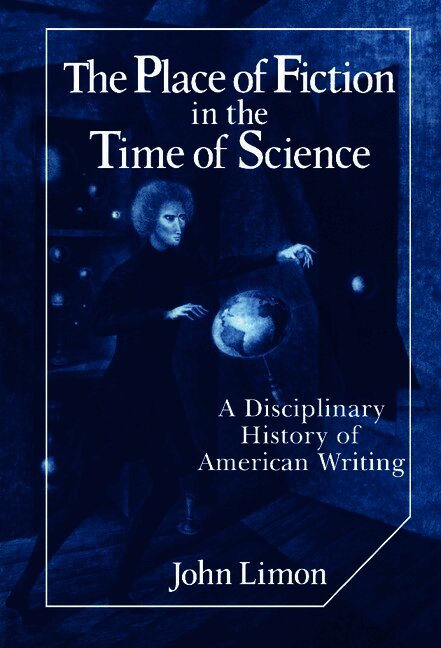
Du kanske också är intresserad av
Del 44
Del 44
Del 39
The Place of Fiction in the Time of Science
John Limon, Albert Gelpi, Ross Posnock
Inbunden, 1990
2 059 kr
Del 59
Del 79
Del 111
Del 128
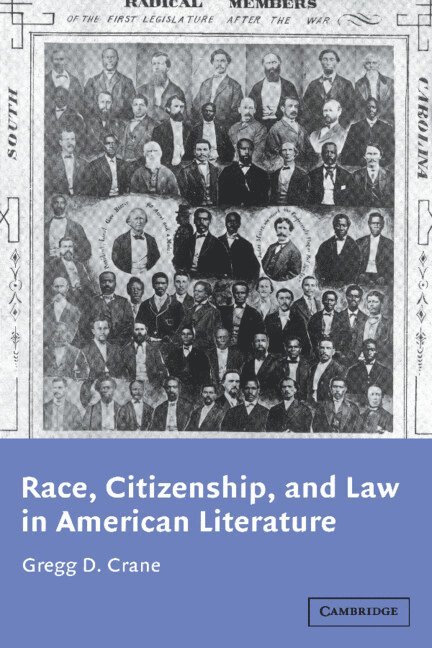
Race, Citizenship, and Law in American Literature
Gregg D. Crane, Albert Gelpi, Ross Posnock
Inbunden, 2002
2 169 kr
Del 121
Del 97
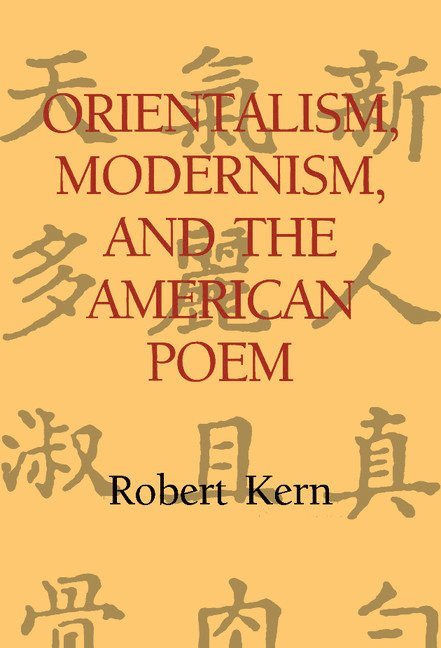
Orientalism, Modernism, and the American Poem
Robert Kern, Albert Gelpi, Ross Posnock
Inbunden, 1996
2 039 kr
Del 118