
Del i serien Cambridge Studies in Comparative Politics
The Comparative Politics of Immigration
Policy Choices in Germany, Canada, Switzerland, and the United States
Häftad, Engelska, 2021
789 kr
Beställningsvara. Skickas inom 5-8 vardagar. Fri frakt för medlemmar vid köp för minst 249 kr.
Finns i fler format (1)
Many governments face similar pressures surrounding the hotly debated topic of immigration. Yet, the disparate ways in which policy makers respond is striking. The Comparative Politics of Immigration explains why democratic governments adopt the immigration policies they do. Through an in-depth study of immigration politics in Germany, Canada, Switzerland, and the United States, Antje Ellermann examines the development of immigration policy from the postwar era to the present. The book presents a new theory of immigration policymaking grounded in the political insulation of policy makers. Three types of insulation shape the translation of immigration preference into policy: popular insulation from demands of the unorganized public, interest group insulation from the claims of organized lobbies, and diplomatic insulation from the lobbying of immigrant-sending states. Addressing the nuances in immigration reforms, Ellermann analyzes both institutional factors and policy actors' strategic decisions to account for cross-national and temporal variation.
Produktinformation
- Utgivningsdatum2021-03-11
- Mått152 x 228 x 31 mm
- Vikt760 g
- FormatHäftad
- SpråkEngelska
- SerieCambridge Studies in Comparative Politics
- Antal sidor460
- FörlagCambridge University Press
- ISBN9781316601617
Tillhör följande kategorier
Hoppa över listan


Mer från samma författare
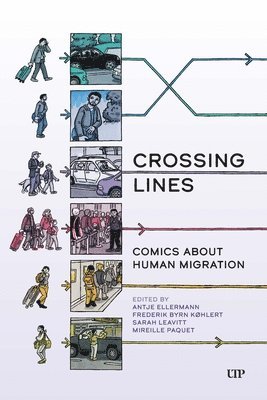
Crossing Lines
Antje Ellermann, Frederik Byrn Køhlert, Sarah Leavitt, Mireille Paquet
Häftad, 2025
319 kr
Crossing Lines
Antje Ellermann, Frederik Byrn Køhlert, Sarah Leavitt, Mireille Paquet
Inbunden, 2025
879 kr
Crossing Lines
Antje Ellermann, Frederik Byrn Køhlert, Sarah Leavitt, Mireille Paquet, Antje Ellermann, Frederik Byrn Køhlert, Sarah Leavitt, Mireille Paquet
Häftad, 1900
329 kr
Hoppa över listan


Mer från samma serie
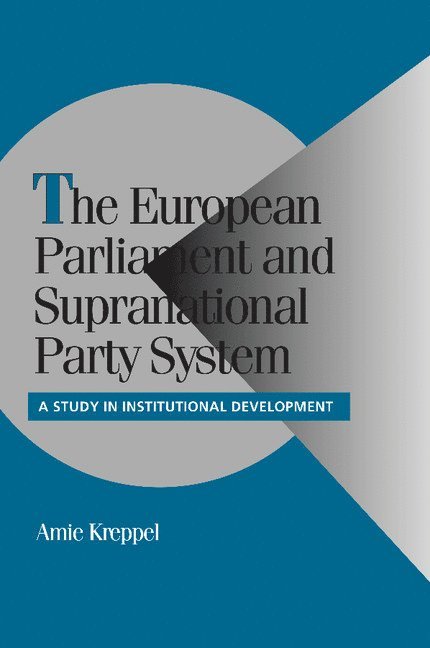
The European Parliament and Supranational Party System
Amie Kreppel, Peter Lange, Robert H. Bates
Häftad, 2001
599 kr
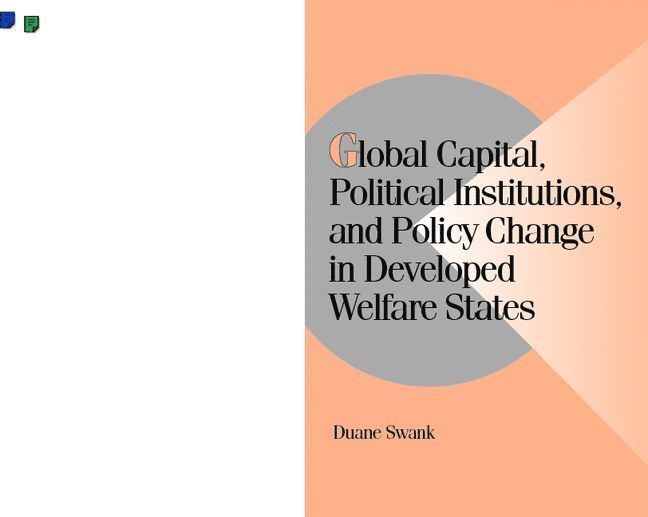
Global Capital, Political Institutions, and Policy Change in Developed Welfare States
Duane Swank
Häftad, 2002
729 kr
Nationalist Mobilization and the Collapse of the Soviet State
Mark R. Beissinger, Peter Lange, Robert H. Bates
Häftad, 2002
829 kr
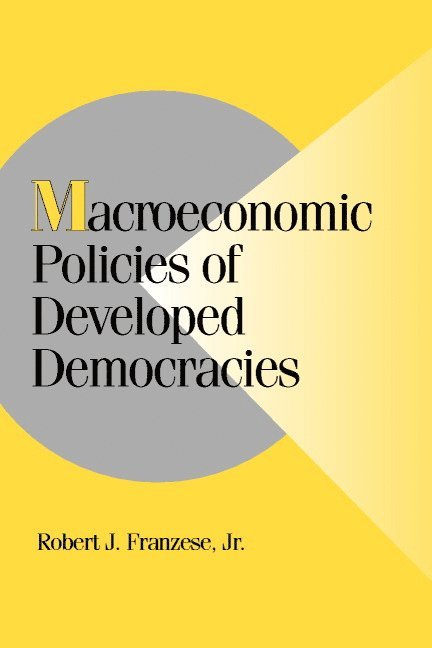
Macroeconomic Policies of Developed Democracies
Robert J. Franzese, Jr, Peter Lange
Häftad, 2002
729 kr
Hoppa över listan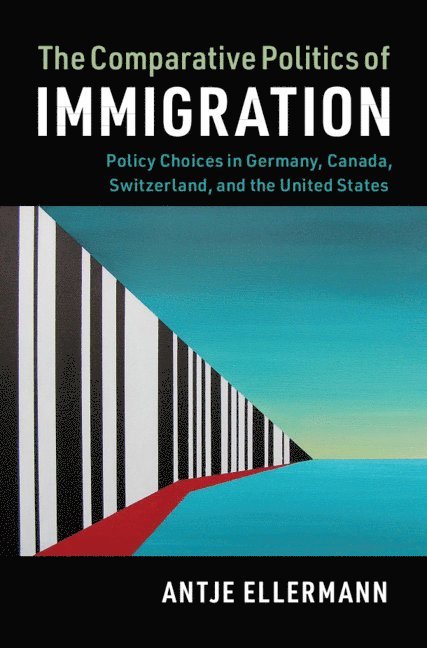




Du kanske också är intresserad av
Crossing Lines
Antje Ellermann, Frederik Byrn Køhlert, Sarah Leavitt, Mireille Paquet
Häftad, 2025
319 kr
Crossing Lines
Antje Ellermann, Frederik Byrn Køhlert, Sarah Leavitt, Mireille Paquet
Inbunden, 2025
879 kr
Crossing Lines
Antje Ellermann, Frederik Byrn Køhlert, Sarah Leavitt, Mireille Paquet, Antje Ellermann, Frederik Byrn Køhlert, Sarah Leavitt, Mireille Paquet
Häftad, 1900
329 kr
- Nyhet
Del 3
- Nyhet
Del 11
Del 1
Del 2