
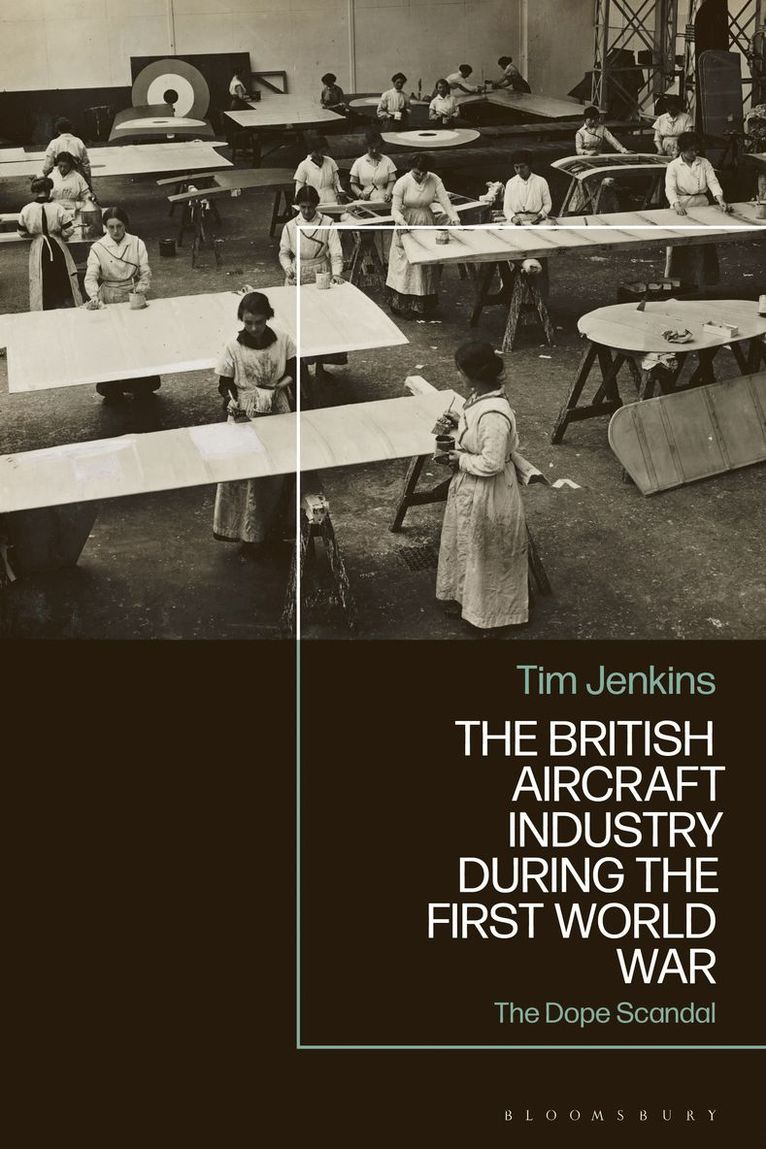
The British Aircraft Industry during the First World War
The Dope Scandal
Häftad, Engelska, 2025
529 kr
Beställningsvara. Skickas inom 10-15 vardagar. Fri frakt för medlemmar vid köp för minst 249 kr.
In this book, Tim Jenkins examines the factory worker poisonings and suspect government procurement procedures that resulted in Allied success in the air during First World War.The early development of aircraft during World War I was an important yet dangerous part of the war effort seen in the First World War and although many descriptions of daring aerial combat have been written, the risk to those involved in the manufacture of such machines remains less well known. Tetrachlorethane, a poisonous solvent contained in aircraft dope, was responsible for a number of civilian deaths in aircraft factories and although the British knew the substance to be lethal, they were much slower than their American and German counterparts in sourcing alternatives. In this groundbreaking book, Tim Jenkins explores the use of Tetrachlorethan and brings to light the concerns and warnings voiced by the international medical profession. His examination considers the government's reasons for its use of the poisonous solvent to create a compelling yet scholarly account which takes in corruption, negligence and wartime manufacture. This book will be vital to scholars studying military production during the First World War.
Produktinformation
- Utgivningsdatum2025-05-29
- Mått154 x 232 x 14 mm
- Vikt340 g
- FormatHäftad
- SpråkEngelska
- Antal sidor216
- FörlagBloomsbury Publishing PLC
- ISBN9781350297104
Tillhör följande kategorier
Hoppa över listan
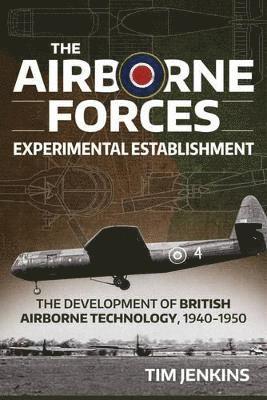

Mer från samma författare
Del 2
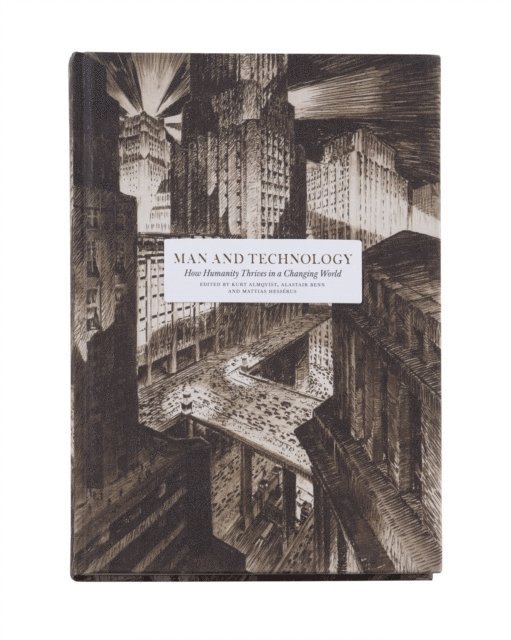
Man and technology : how humanity thrives in a changing world
Richard J. Aldrich, Bruce Anderson, Clive Aslet, David J. Betz, Ananyo Bhattacharya, Elisabeth Braw, Jimena Canales, Armand D'angour, John Darlington, Maria Golia, Samuel Gregg, Katja Hoyer, Tim Jenkins, Andrew Keen, Alexander Lee, Christopher Moran, Daniel T. Potts, Suzanne Raine, Joshua Rovner, Brendan Simms, Constance Simms, Nick Spencer, Hew Strachan, Helen Thompson, Sharon Weinberger, Andrew Wilton
Inbunden
309 kr
Hoppa över listan

Du kanske också är intresserad av
Del 2
Man and technology : how humanity thrives in a changing world
Richard J. Aldrich, Bruce Anderson, Clive Aslet, David J. Betz, Ananyo Bhattacharya, Elisabeth Braw, Jimena Canales, Armand D'angour, John Darlington, Maria Golia, Samuel Gregg, Katja Hoyer, Tim Jenkins, Andrew Keen, Alexander Lee, Christopher Moran, Daniel T. Potts, Suzanne Raine, Joshua Rovner, Brendan Simms, Constance Simms, Nick Spencer, Hew Strachan, Helen Thompson, Sharon Weinberger, Andrew Wilton
Inbunden
309 kr
- Signerad
Del 1

- Nyhet