
Terrorism and Reintegration in Malaysia
A Legal-Criminological Approach
Inbunden, Engelska, 2026
1 829 kr
Beställningsvara. Skickas inom 10-15 vardagar. Fri frakt för medlemmar vid köp för minst 249 kr.
This book offers the first comprehensive legal-criminological study of terrorism and reintegration in Malaysia, positioning the country within wider Southeast Asian and global debates. Despite its strategic role in regional counter-terrorism and rehabilitation efforts, Malaysia remains understudied compared to Indonesia and the Philippines. Moving beyond ideological or psychological explanations, the book situates terrorism within lived experience.Drawing on original interviews with ISIS-related returnees from Syria and Afghanistan, former Guantánamo Bay detainees, and individuals prosecuted under Malaysian counter-terrorism laws, it examines how radicalisation, detention, and reintegration unfold in practice. Bridging theory and policy, the analysis explores how law, criminology, and human rights shape both state responses and individual trajectories, and evaluates key counter-terrorism frameworks including SOSMA, POTA, and the Penal Code, against global standards of due process, proportionality, and accountability.Centred on detainee and returnee experiences, the book explores incarceration, stigma, trauma, and reintegration challenges, foregrounding voices often absent from official narratives, including those from non-Arab-speaking communities. It argues that an overreliance on securitisation and theology perpetuates stigma and undermines long-term prevention, and calls for a more holistic, rights-based reintegration framework.
Produktinformation
- Utgivningsdatum2026-05-02
- Mått148 x 210 x 21 mm
- Vikt496 g
- FormatInbunden
- SpråkEngelska
- SeriePalgrave Advances in Criminology and Criminal Justice in Asia
- Antal sidor269
- FörlagSpringer Nature Switzerland AG
- ISBN9783032200099
Tillhör följande kategorier
Hoppa över listan
Mer från samma serie
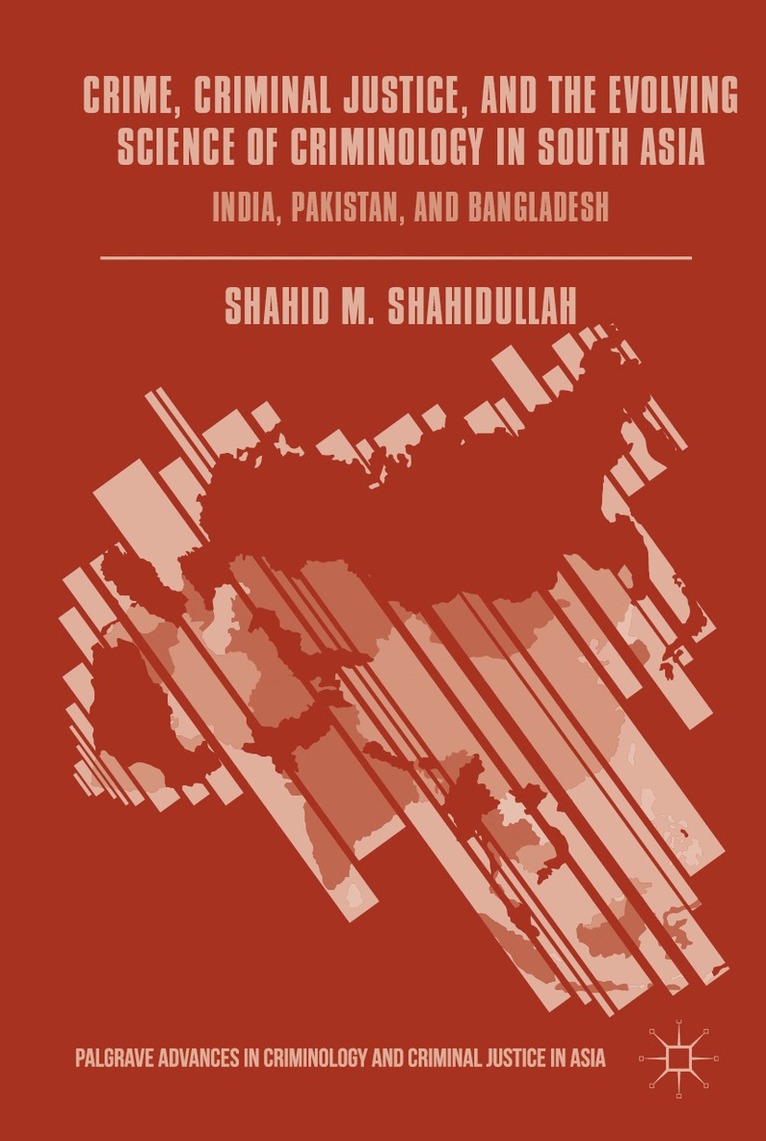
Crime, Criminal Justice, and the Evolving Science of Criminology in South Asia
Shahid M. Shahidullah
Inbunden, 2017
2 029 kr
Victim-Offender Reconciliation in the People's Republic of China and Taiwan
Riccardo Berti
Inbunden, 2015
709 kr
Hoppa över listan
Du kanske också är intresserad av
Victim-Offender Reconciliation in the People's Republic of China and Taiwan
Riccardo Berti
Inbunden, 2015
709 kr