
Temptation of Despair
Tales of the 1940s
Inbunden, Engelska, 2014
549 kr
Beställningsvara. Skickas inom 10-15 vardagar. Fri frakt för medlemmar vid köp för minst 249 kr.
In Germany, the years immediately following World War II call forward images of obliterated cities, hungry refugees, and ghostly monuments to Nazi crimes. The temptation of despair was hard to resist, and to contemporary observers the road toward democracy in the Western zones of occupation seemed rather uncertain. Drawing on a vast array of American, German, and other sources—diaries, photographs, newspaper articles, government reports, essays, works of fiction, and film—Werner Sollors makes visceral the experiences of defeat and liberation, homelessness and repatriation, concentration camps and denazification.These tales reveal writers, visual artists, and filmmakers as well as common people struggling to express the sheer magnitude of the human catastrophe they witnessed. Some relied on traditional images of suffering and death, on Biblical scenes of the Flood and the Apocalypse. Others shaped the mangled, nightmarish landscape through abstract or surreal forms of art. Still others turned to irony and black humor to cope with the incongruities around them. Questions about guilt and complicity in a totalitarian country were raised by awareness of the Holocaust, making “After Dachau” a new epoch in Western history.The Temptation of Despair is a book about coming to terms with the mid-1940s, the contradictory emotions of a defeated people—sorrow and anger, guilt and pride, despondency and resilience—as well as the ambiguities and paradoxes of Allied victory and occupation.
Produktinformation
- Utgivningsdatum2014-04-28
- Mått156 x 235 x 31 mm
- Vikt748 g
- FormatInbunden
- SpråkEngelska
- Antal sidor400
- FörlagHarvard University Press
- ISBN9780674052437
- UtmärkelserNominated for John Hope Franklin Publication Prize 2015
Tillhör följande kategorier
Hoppa över listan






Mer från samma författare
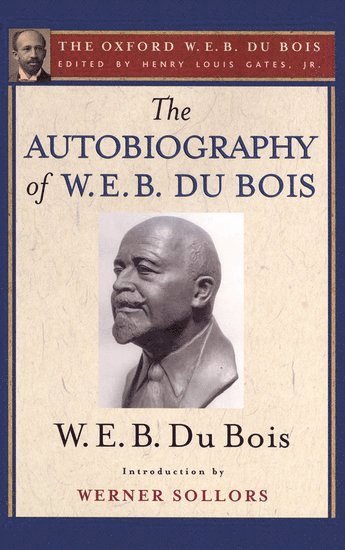
The Autobiography of W. E. B. Du Bois (The Oxford W. E. B. Du Bois)
W. E. B. Du Bois, Werner Sollors, Henry Louis Gates
Häftad, 2014
569 kr
Interesting Narrative of the Life of Olaudah Equiano, Or Gustavus Vassa, The African, Written by Himself
Olaudah Equiano, Werner Sollors
Häftad, 2000
279 kr
Life Stories of Undistinguished Americans as Told by Themselves
Werner Sollors, Hamilton Holt
Häftad, 1999
859 kr
Hoppa över listan






Du kanske också är intresserad av
Del 16
Life Stories of Undistinguished Americans as Told by Themselves
Werner Sollors, Hamilton Holt
Inbunden, 2017
4 509 kr
Del 18