
Del i serien Toronto Iberic
Survival Songs
Conchita Piquer's 'Coplas' and Franco's Regime of Terror
Inbunden, Engelska, 2014
679 kr
Beställningsvara. Skickas inom 5-8 vardagar. Fri frakt för medlemmar vid köp för minst 249 kr.
How can a song help the hungry and persecuted to survive? Stephanie Sieburth’s Survival Songs explores how a genre of Spanish popular music, the copla, as sung by legendary performer Conchita Piquer, helped Republican sympathizers to survive the Franco regime’s dehumanizing treatment following the Spanish Civil War (1936–39). Piquer’s coplas were sad, bitter stories of fallen women, but they offered a way for the defeated to cope with chronic terror, grief, and trauma in the years known as the “time of silence.”Drawing on the observations of clinical psychotherapy, Sieburth explores the way in which listening to Piquer’s coplas enabled persecuted, ostracized citizens to subconsciously use music, role-play, ritual, and narrative to mourn safely and without fear of repercussion from the repressive state. An interdisciplinary study that includes close readings of six of Piquer’s most famous coplas, Survival Songs will be of interest to specialists in modern Spanish studies and to clinical psychologists, musicologists, and those with an interest in issues of trauma, memory, and human rights.
Produktinformation
- Utgivningsdatum2014-07-29
- Mått162 x 236 x 27 mm
- Vikt560 g
- FormatInbunden
- SpråkEngelska
- SerieToronto Iberic
- Antal sidor280
- FörlagUniversity of Toronto Press
- ISBN9781442644731
- UtmärkelserWinner of Katherine Singer Kovacs Prize awarded by the Modern Language Association 2015 (United States)
Tillhör följande kategorier
Hoppa över listan

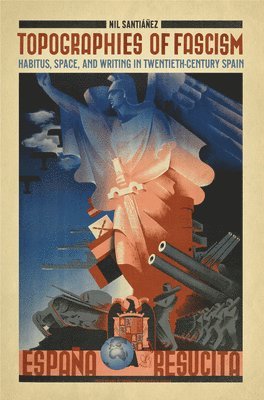
Mer från samma serie
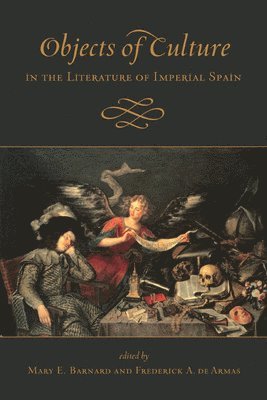
Objects of Culture in the Literature of Imperial Spain
Mary E. Barnard, Frederick A. de Armas
Inbunden, 2013
1 209 kr
Hoppa över listan





Du kanske också är intresserad av
Del 1
- Nyhet
Del 6
Del 2
Del 3
- Nyhet
Del 4
Del 7
- Nyhet
- Nyhet
Del 1