
Del i serien Reading Trauma and Memory
Suffering in Anglophone Literatures
Inbunden, Engelska, 2024
2 089 kr
Beställningsvara. Skickas inom 10-15 vardagar. Fri frakt för medlemmar vid köp för minst 249 kr.
Suffering in Anglophone Literatures engages with postclassical Trauma Studies and opens the traumatic envelope to embrace concepts such as toleration, mourning, nostalgia, vulnerability and existential Angst. The first section explores insomnia in Shakespeare, testimonial suffering in Richardson, nostalgia in Clare, work as a form of suffering in Tennyson and pleasurable suffering in Trollope. The second section deals with suffering as expressed in blues (by August Wilson), intergenerational healing (by Rosanna Deerchild), systemic pain in war fiction (from World War One to the Vietnam War), personal and historical nostalgia (by John Banville) and literary non-commitment to suffering (by Joyce, and Philip Kerr). The final section turns to more recent literary texts ranging from the poetry of Derek Mahon, Philip Metres and Solmaz Sharif to novels on intergenerational trauma (by Kate Morton), the sexual abuse of women (by Miriam Toews) and growing up in poverty (by Douglas Stuart).
Produktinformation
- Utgivningsdatum2024-11-18
- Mått152 x 229 x 24 mm
- Vikt697 g
- FormatInbunden
- SpråkEngelska
- SerieReading Trauma and Memory
- Antal sidor340
- FörlagBloomsbury Publishing Plc
- ISBN9781666944129
Tillhör följande kategorier
Hoppa över listan

Du kanske också är intresserad av
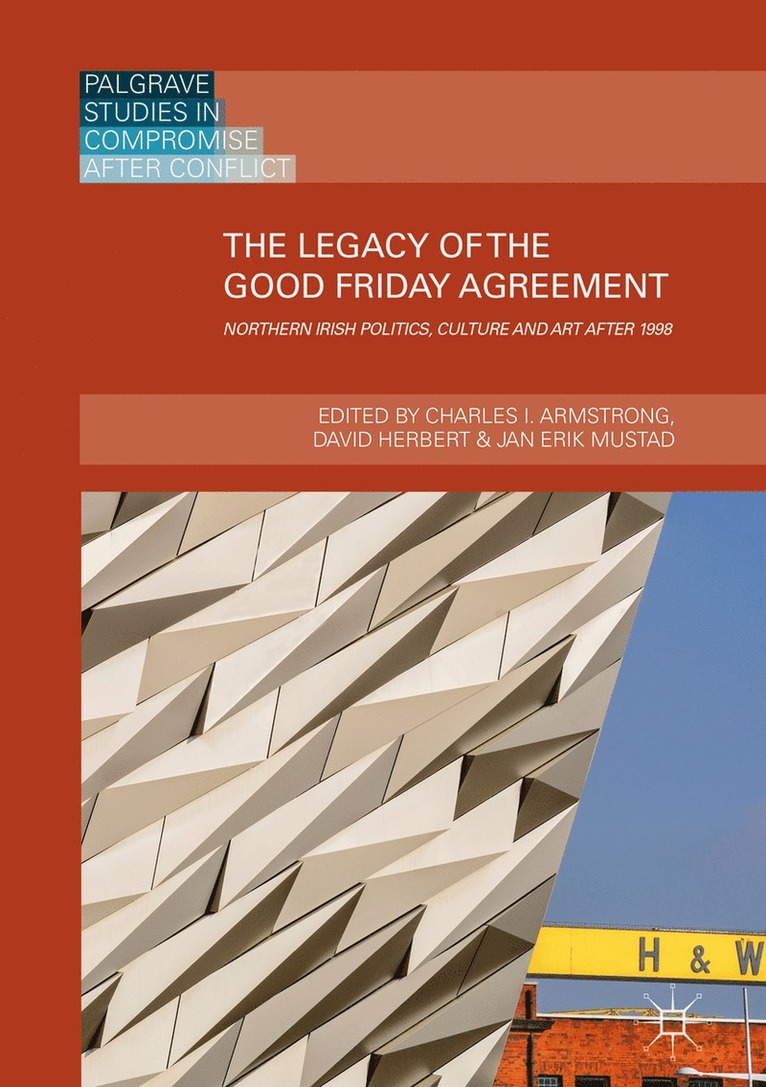
Legacy of the Good Friday Agreement
Charles I. Armstrong, David Herbert, Jan Erik Mustad
Inbunden, 2018
1 869 kr
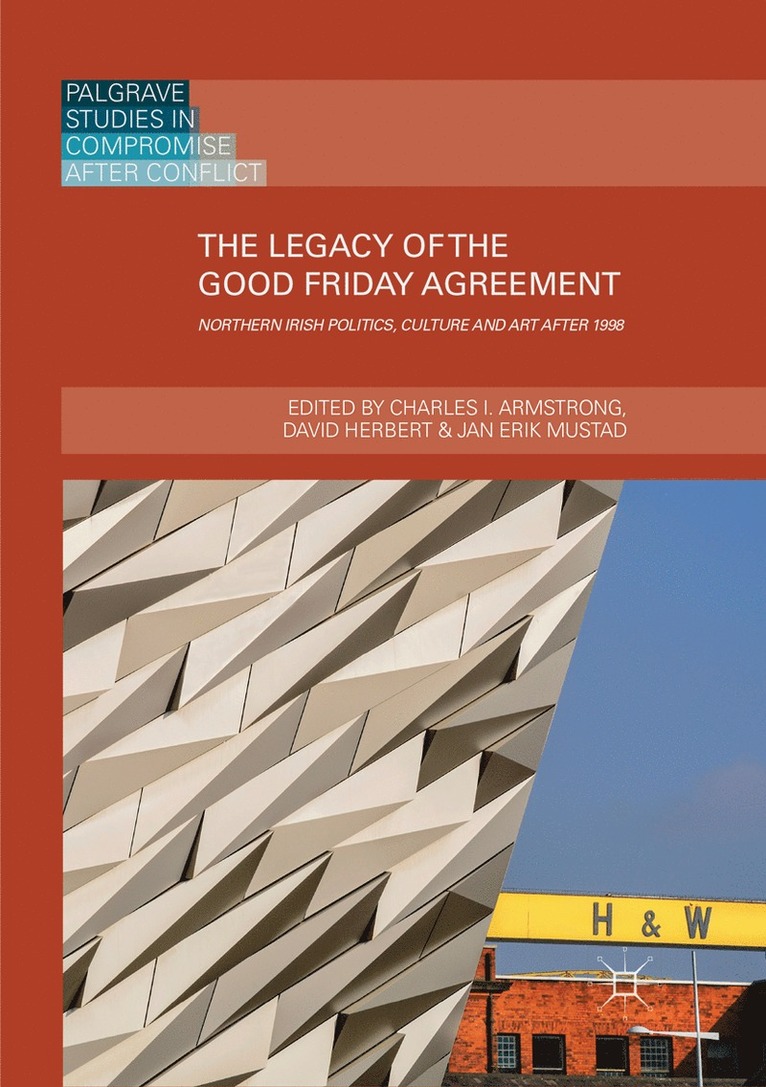
Legacy of the Good Friday Agreement
Charles I. Armstrong, David Herbert, Jan Erik Mustad
Häftad, 2019
1 569 kr
Edinburgh Companion to W. B. Yeats and the Arts
Charles I. Armstrong, Adrian Paterson, Tom Walker
Inbunden, 2024
2 979 kr