
Del i serien Routledge Studies in Linguistics
Structure in Language
A Dynamic Perspective
Häftad, Engelska, 2012
1 189 kr
Beställningsvara. Skickas inom 10-15 vardagar. Fri frakt för medlemmar vid köp för minst 249 kr.
Finns i fler format (1)
This book examines one of the allegedly unique features of human language: structure sensitivity. Its point of departure is the distinction between content and structural units, which are defined in psycholinguistic terms. The focus of the book is on structural representations, in particular their hierarchicalness and their branching direction. Structural representations reach variable levels of activation and are therefore gradient in nature. Their variable strength is claimed to account for numerous effects including differences between individual analytical levels, differences between languages as well as pathways of language acquisition and breakdown. English is found to be consistent in its branching direction and to have evolved its branching direction in line with the cross-level harmony constraint. Structure sensitivity is argued to be highly variable both within and across languages and consequently an unlikely candidate for a defining property of human language.
Produktinformation
- Utgivningsdatum2012-09-20
- Mått152 x 229 x 22 mm
- Vikt750 g
- FormatHäftad
- SpråkEngelska
- SerieRoutledge Studies in Linguistics
- Antal sidor396
- FörlagTaylor & Francis Ltd
- ISBN9780415542241
Tillhör följande kategorier
Hoppa över listan








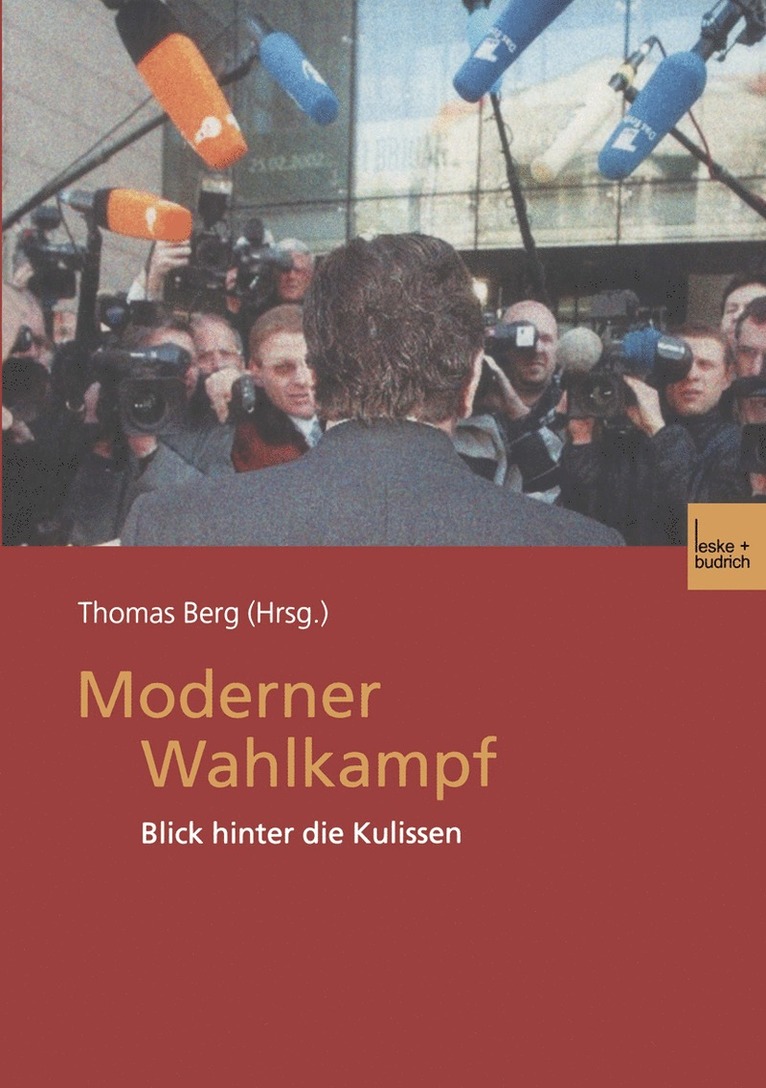
Mer från samma författare
Klinikleitfaden Gastroenterologie und Hepatologie
Ulrich Rosien, Thomas Berg, Peter Layer
Häftad, 2022
1 009 kr
Del 206
Abbildung des Sprachproduktionsprozesses in einem Aktivationsflußmodell
Thomas Berg
Inbunden, 1988
2 159 kr
Vertrauensgrundsatz in der Krankenpflege bei horizontaler Arbeitsteilung im Krankenhaus
Thomas Berg
Häftad, 2011
999 kr
Rechtliche Problemstellungen des Case Managements am Beispiel des Universitätsklinikums Köln
Thomas Berg, Jörg Kurmann
Häftad, 2011
1 229 kr
Hoppa över listan






Mer från samma serie
Approaches to the Study of Sound Structure and Speech
Magdalena Wrembel, Agnieszka Kiełkiewicz-Janowiak, Piotr Gąsiorowski
Inbunden, 2019
3 139 kr
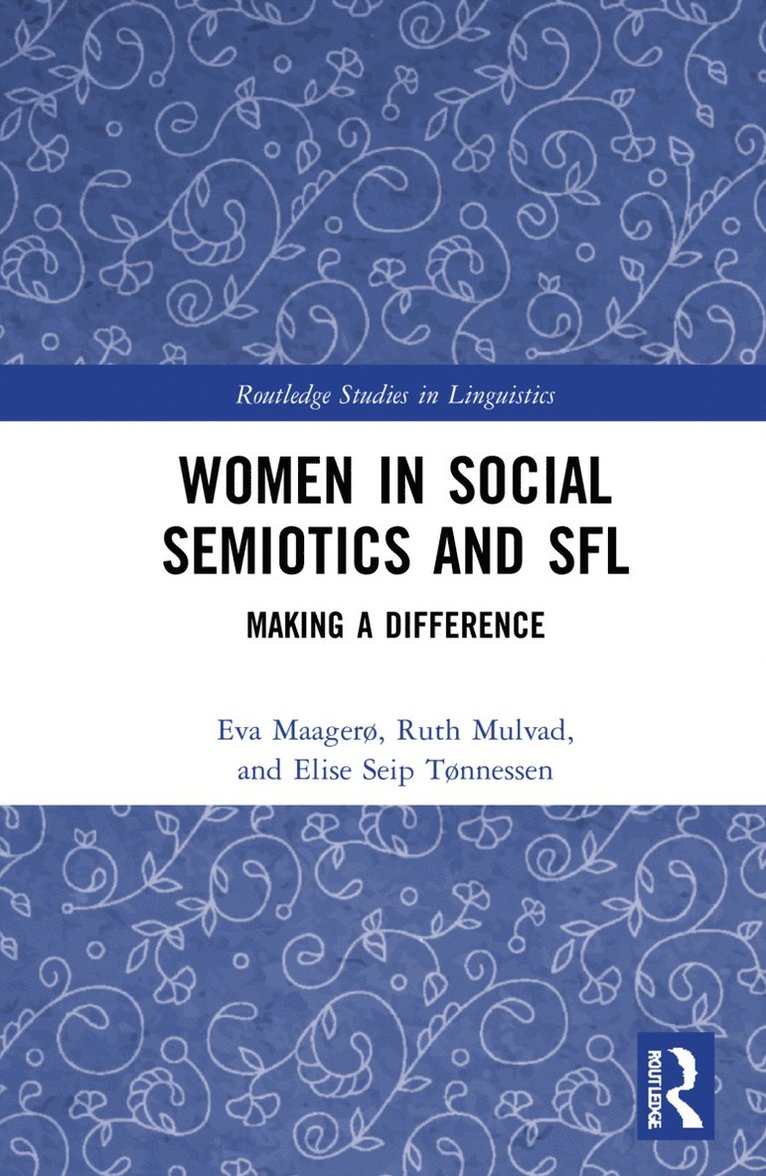
Women in Social Semiotics and SFL
Eva Maagerø, Ruth Mulvad, Elise Seip Tønnessen
Inbunden, 2021
3 329 kr
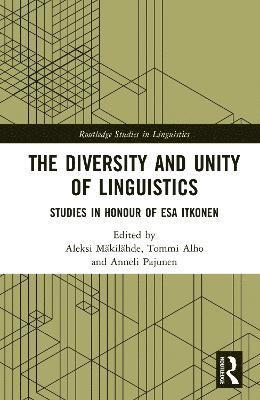
Diversity and the Unity of Linguistics
Aleksi Mäkilähde, Tommi Alho, Anneli Pajunen
Inbunden, 2026
3 229 kr
Hoppa över listan
Du kanske också är intresserad av
Rechtliche Problemstellungen des Case Managements am Beispiel des Universitätsklinikums Köln
Thomas Berg, Jörg Kurmann
Häftad, 2011
1 229 kr
Vertrauensgrundsatz in der Krankenpflege bei horizontaler Arbeitsteilung im Krankenhaus
Thomas Berg
Häftad, 2011
999 kr
Klinikleitfaden Gastroenterologie und Hepatologie
Ulrich Rosien, Thomas Berg, Peter Layer
Häftad, 2022
1 009 kr
Del 206
Abbildung des Sprachproduktionsprozesses in einem Aktivationsflußmodell
Thomas Berg
Inbunden, 1988
2 159 kr