
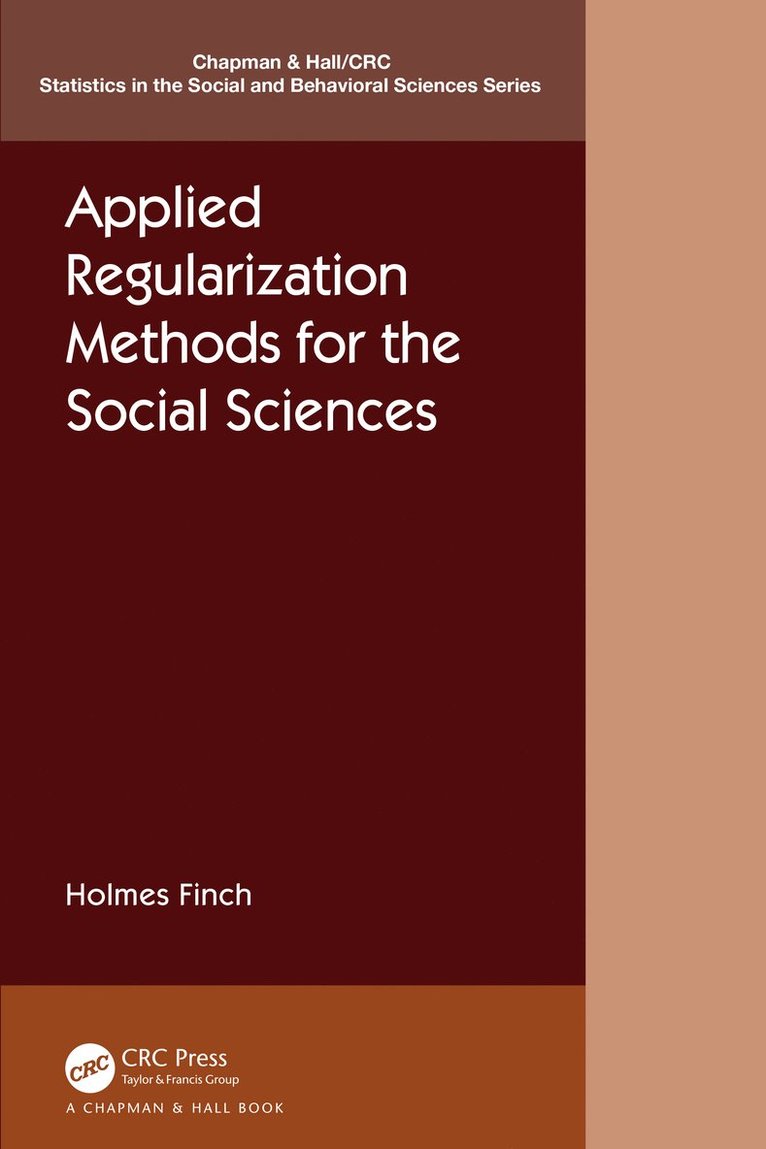
Statistical Test Theory for the Behavioral Sciences
Häftad, Engelska, 2019
1 329 kr
Beställningsvara. Skickas inom 10-15 vardagar. Fri frakt för medlemmar vid köp för minst 249 kr.
Since the development of the first intelligence test in the early 20th century, educational and psychological tests have become important measurement techniques to quantify human behavior. Focusing on this ubiquitous yet fruitful area of research, Statistical Test Theoryfor the Behavioral Sciences provides both a broad overview and a critical survey of assorted testing theories and models used in psychology, education, and other behavioral science fields.Following a logical progression from basic concepts to more advanced topics, the book first explains classical test theory, covering true score, measurement error, and reliability. It then presents generalizability theory, which provides a framework to deal with various aspects of test scores. In addition, the authors discuss the concept of validity in testing, offering a strategy for evidence-based validity. In the two chapters devoted to item response theory (IRT), the book explores item response models, such as the Rasch model, and applications, including computerized adaptive testing (CAT). The last chapter looks at some methods used to equate tests. Equipped with the essential material found in this book, advanced undergraduate and graduate students in the behavioral sciences as well as researchers involved in measurement and testing will gain valuable insight into the research methodologies and statistical data analyses of behavioral testing.
Produktinformation
- Utgivningsdatum2019-09-05
- Mått156 x 234 x 15 mm
- Vikt453 g
- FormatHäftad
- SpråkEngelska
- SerieChapman & Hall/CRC Statistics in the Social and Behavioral Sciences
- Antal sidor280
- FörlagTaylor & Francis Ltd
- ISBN9780367388676
Tillhör följande kategorier
Hoppa över listan
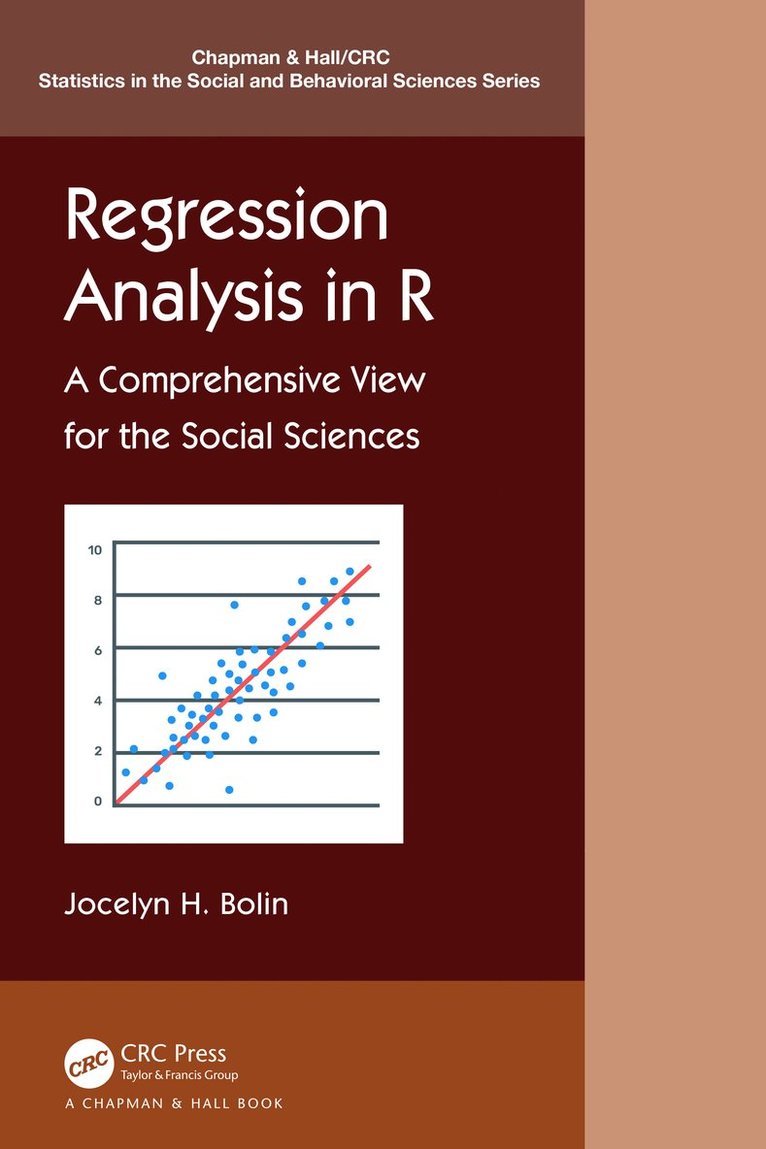
Mer från samma serie
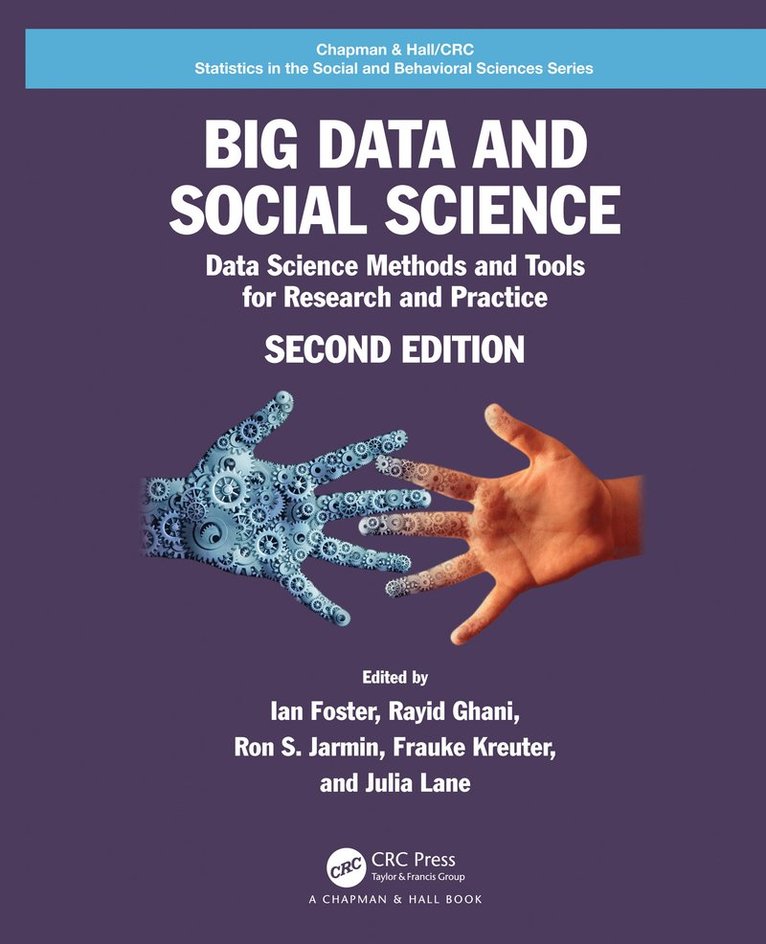
Big Data and Social Science
Ian Foster, Rayid Ghani, Ron S. Jarmin, Frauke Kreuter, Julia Lane
Inbunden, 2020
3 209 kr
Introduction to Bayesian Data Analysis for Cognitive Science
Bruno Nicenboim, Daniel J. Schad, Shravan Vasishth
Inbunden, 2025
3 209 kr
Introduction to Bayesian Data Analysis for Cognitive Science
Bruno Nicenboim, Daniel J. Schad, Shravan Vasishth
Häftad, 2025
1 199 kr
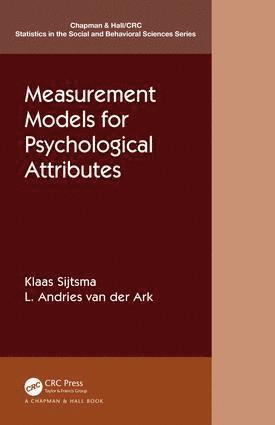
Measurement Models for Psychological Attributes
Klaas Sijtsma, L. Andries van der Ark
Häftad, 2020
1 459 kr
Hoppa över listan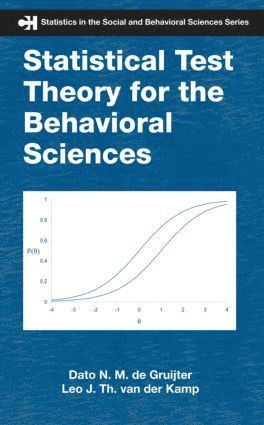








Du kanske också är intresserad av
Statistical Test Theory for the Behavioral Sciences
Dato N. M. de Gruijter, Leo J. Th. van der Kamp
Inbunden, 2007
1 279 kr
Longitudinal Data Analysis
Catrien C. J. H. Bijleveld, Leo J Th van der Kamp, Ab Mooijaart, Willem van der Kloot, Rien van der Leeden, Eeke Van Der Burg
Häftad, 1998
2 649 kr
- Nyhet
Del 3
- Nyhet
Del 11
- Nyhet
Del 4
- Nyhet
Del 6
Del 1
Del 3
Del 2
Del 7