
Del i serien Elements in Early Christian Literature
St. Ephrem the Syrian on Beatitude and the Afterlife
Inbunden, Engelska, 2026
1 329 kr
Beställningsvara. Skickas inom 5-8 vardagar. Fri frakt för medlemmar vid köp för minst 249 kr.
Finns i fler format (1)
The poetry of Ephrem the Syrian abounds with vivid symbols for the conclusion of salvation history, which forms a path leading from Paradise back to God. His transfiguring glory-light nourishes and enriches the blessed. Those in Gehenna behold the same goal, yet due to self-inflicted inner blindness, they experience it in opposite fashion. Ephrem's eschatology takes shape along the relation between creator and creature rather than along the contrast between particular and universal outcomes. This Element argues that freedom's capacity for transformative growth in relation to God, even post mortem, establishes Ephrem's coherent epektatic account of blessedness, rooted in the quasi-infinite character of human desire despite the finitude of human effort. Freedom's inherent uncertainty makes the salvation of all unknowable. Ephrem refuses to collapse definitively the polarity between creator and creature. Yet a person's freedom remains capable, with divine assistance, of repentance and growth even in Gehenna.
Produktinformation
- Utgivningsdatum2026-06-04
- Mått152 x 229 x 6 mm
- Vikt265 g
- FormatInbunden
- SpråkEngelska
- SerieElements in Early Christian Literature
- Antal sidor75
- FörlagCambridge University Press
- ISBN9781009515382
Tillhör följande kategorier
Hoppa över listan


Mer från samma serie
- Nyhet
- Nyhet
- Nyhet
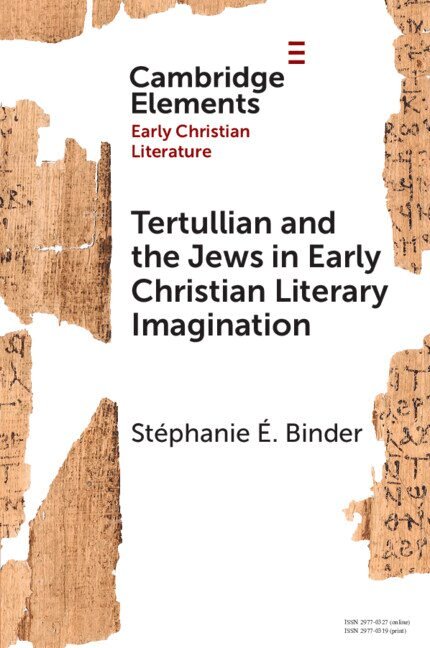
Tertullian and the Jews in Early Christian Literary Imagination
Stéphanie É. Binder
Häftad, 2026
409 kr
Tertullian and the Jews in Early Christian Literary Imagination
Stéphanie É. Binder
Inbunden, 2026
1 329 kr
Hoppa över listan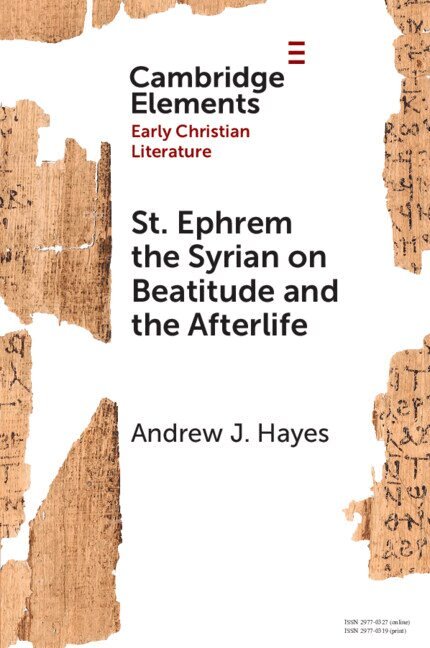


Du kanske också är intresserad av
Tertullian and the Jews in Early Christian Literary Imagination
Stéphanie É. Binder
Inbunden, 2026
1 329 kr
- Nyhet
Del 11
- Nyhet
Del 3