
Slow and Sudden Violence
Why and When Uprisings Occur
Inbunden, Engelska, 2024
1 089 kr
Beställningsvara. Skickas inom 5-8 vardagar. Fri frakt för medlemmar vid köp för minst 249 kr.
Finns i fler format (1)
Exposing the roots of racial unrest that consistently harm Black communities In Slow and Sudden Violence, Derek Hyra links police violence to an ongoing cycle of racial and spatial urban redevelopment repression. By delving into the real estate histories of St. Louis and Baltimore, he shows how housing and community development policies advance neighborhood inequality by segregating, gentrifying, and displacing Black communities. Repeated decisions to “upgrade” the urban fabric and uproot low-income Black populations have resulted in pockets of poverty inhabited by people experiencing displacement trauma and police surveillance. These interconnected sets of divestments and accumulated frustrations have contributed to eruptions of violence in response to tragic, unjust police killings. To confront American unrest, Hyra urges that we end racialized policing, stop Black community destruction and displacement, and reduce neighborhood inequality.
Produktinformation
- Utgivningsdatum2024-08-06
- Mått152 x 229 x 23 mm
- Vikt726 g
- FormatInbunden
- SpråkEngelska
- Antal sidor368
- FörlagUniversity of California Press
- ISBN9780520401464
Tillhör följande kategorier
Hoppa över listan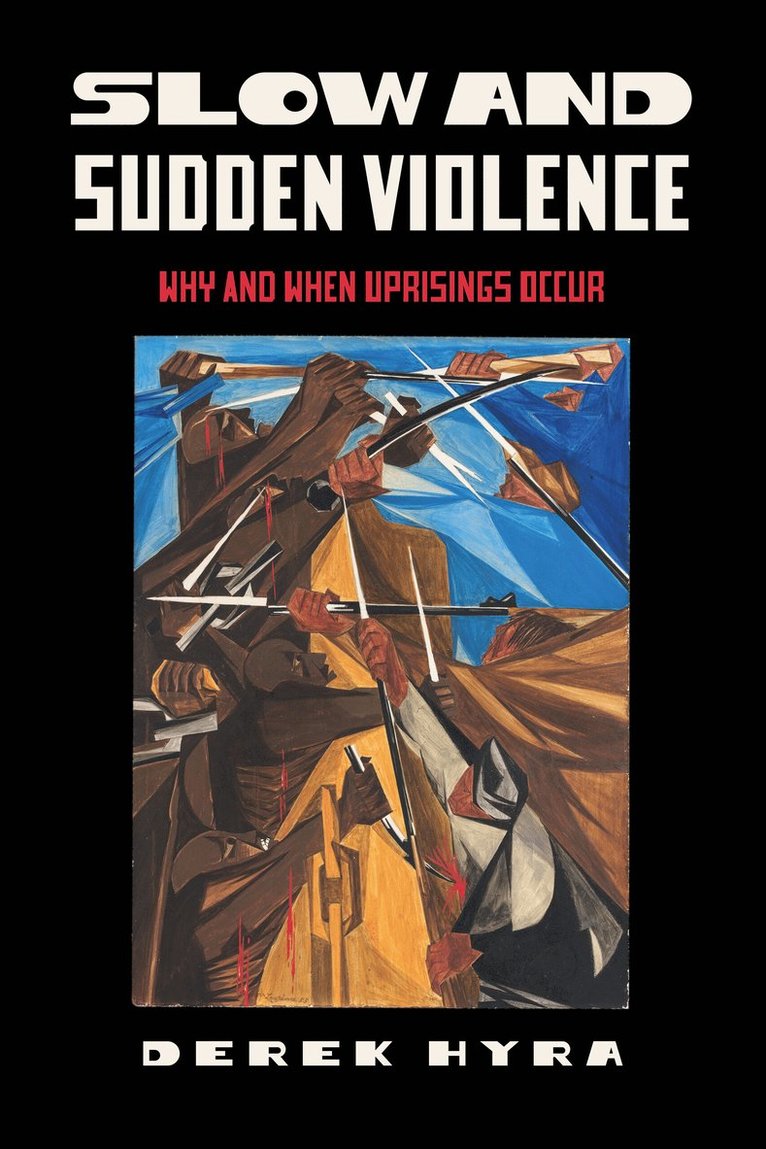








Du kanske också är intresserad av
- Nyhet
- Nyhet
- Nyhet
Del 11
- Nyhet
Del 3
- Nyhet
Del 6
Del 1
- Nyhet