
Del 1
Del i serien Under the Sign of Nature
Sky of Our Manufacture
The London Fog in British Fiction from Dickens to Woolf
Häftad, Engelska, 2016
549 kr
Beställningsvara. Skickas inom 10-15 vardagar. Fri frakt för medlemmar vid köp för minst 249 kr.
Finns i fler format (1)
The smoke-laden fog of London is one of the most vivid elements in English literature, richly suggestive and blurring boundaries between nature and society in compelling ways. In The Sky of Our Manufacture, Jesse Oak Taylor uses the many depictions of the London fog in the late nineteenth- and early twentieth-century novel to explore the emergence of anthropogenic climate change. In the process, Taylor argues for the importance of fiction in understanding climatic shifts, environmental pollution, and ecological collapse.The London fog earned the portmanteau ""smog"" in 1905, a significant recognition of what was arguably the first instance of a climatic phenomenon manufactured by modern industry. Tracing the path to this awareness opens a critical vantage point on the Anthropocene, a new geologic age in which the transformation of humanity into a climate-changing force has not only altered our physical atmosphere but imbued it with new meanings. The book examines enduringly popular works--from the novels of Charles Dickens and George Eliot to Dr. Jekyll and Mr. Hyde, Dracula, and the Sherlock Holmes mysteries to works by Joseph Conrad and Virginia Woolf--alongside newspaper cartoons, scientific writings, and meteorological technologies to reveal a fascinating relationship between our cultural climate and the sky overhead.
Produktinformation
- Utgivningsdatum2016-03-30
- Mått152 x 226 x 15 mm
- Vikt376 g
- FormatHäftad
- SpråkEngelska
- SerieUnder the Sign of Nature
- Antal sidor272
- FörlagUniversity of Virginia Press
- ISBN9780813937939
Tillhör följande kategorier
Hoppa över listan
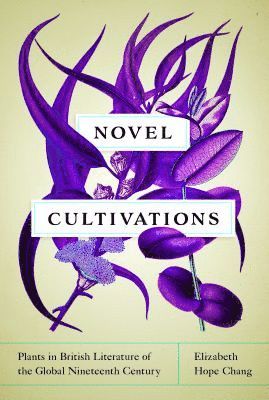
Mer från samma serie
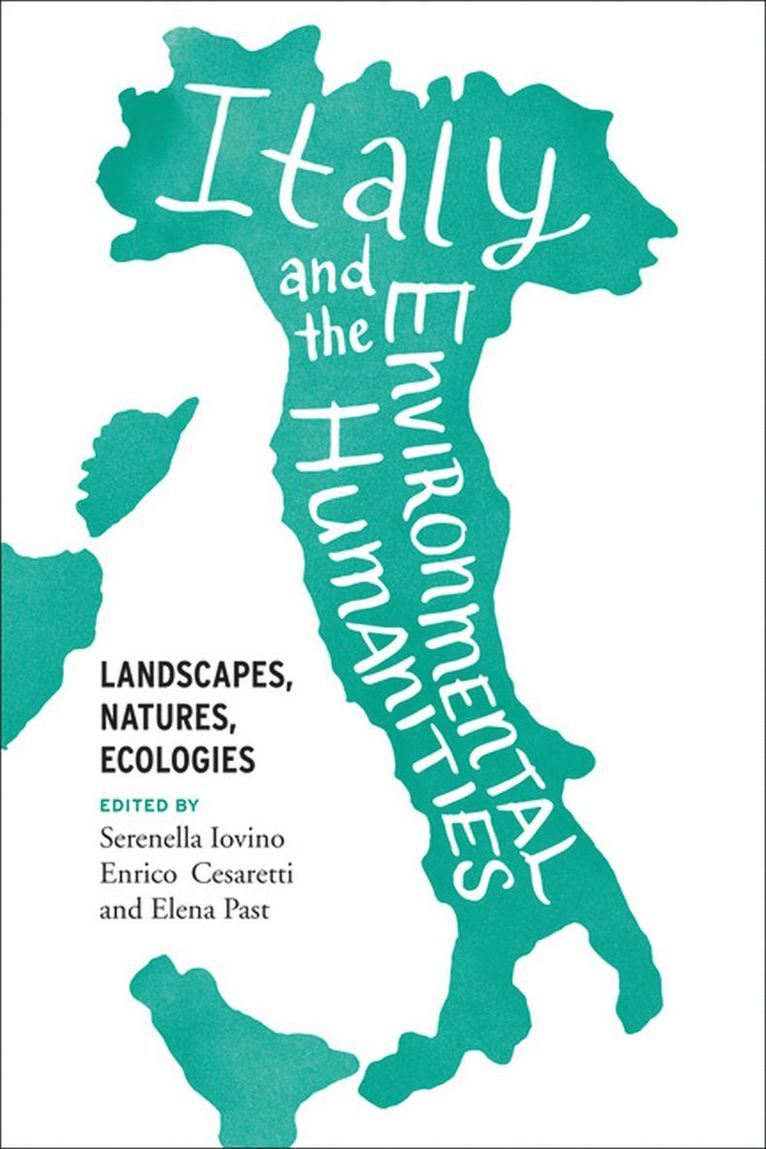
Italy and the Environmental Humanities
Serenella Iovino, Enrico Cesaretti, Elena Past
Inbunden, 2018
1 259 kr
Italy and the Environmental Humanities
Serenella Iovino, Enrico Cesaretti, Elena Past
Häftad, 2018
589 kr