
Del 62
Del 14 i serien Social Histories of Medicine
Sickness, Medical Welfare and the English Poor, 1750-1834
Inbunden, Engelska, 2018
1 599 kr
Beställningsvara. Skickas inom 5-8 vardagar. Fri frakt för medlemmar vid köp för minst 249 kr.
At the core of this book are three central contentions: That medical welfare became the totemic function of the Old Poor Law in its last few decades; that the poor themselves were able to negotiate this medical welfare rather than simply being subject to it; and that being doctored and institutionalised became part of the norm for the sick poor by the 1820s, in a way that had not been the case in the 1750s. Exploring the lives and medical experiences of the poor largely in their own words, Sickness, medical welfare and the English poor offers a comprehensive reinterpretation of the so-called crisis of the Old Poor Law from the later eighteenth century. The sick poor became an insistent presence in the lives of officials and parishes and the (largely positive) way that communities responded to their dire needs must cause us to rethink the role and character of the poor law.This book is relevant to United Nations Sustainable Development Goal 1, No poverty.
Produktinformation
- Utgivningsdatum2018-05-02
- Mått138 x 216 x 24 mm
- Vikt621 g
- FormatInbunden
- SpråkEngelska
- SerieSocial Histories of Medicine
- Antal sidor408
- FörlagManchester University Press
- ISBN9781526129000
Tillhör följande kategorier
Hoppa över listan





Mer från samma författare
Del 6
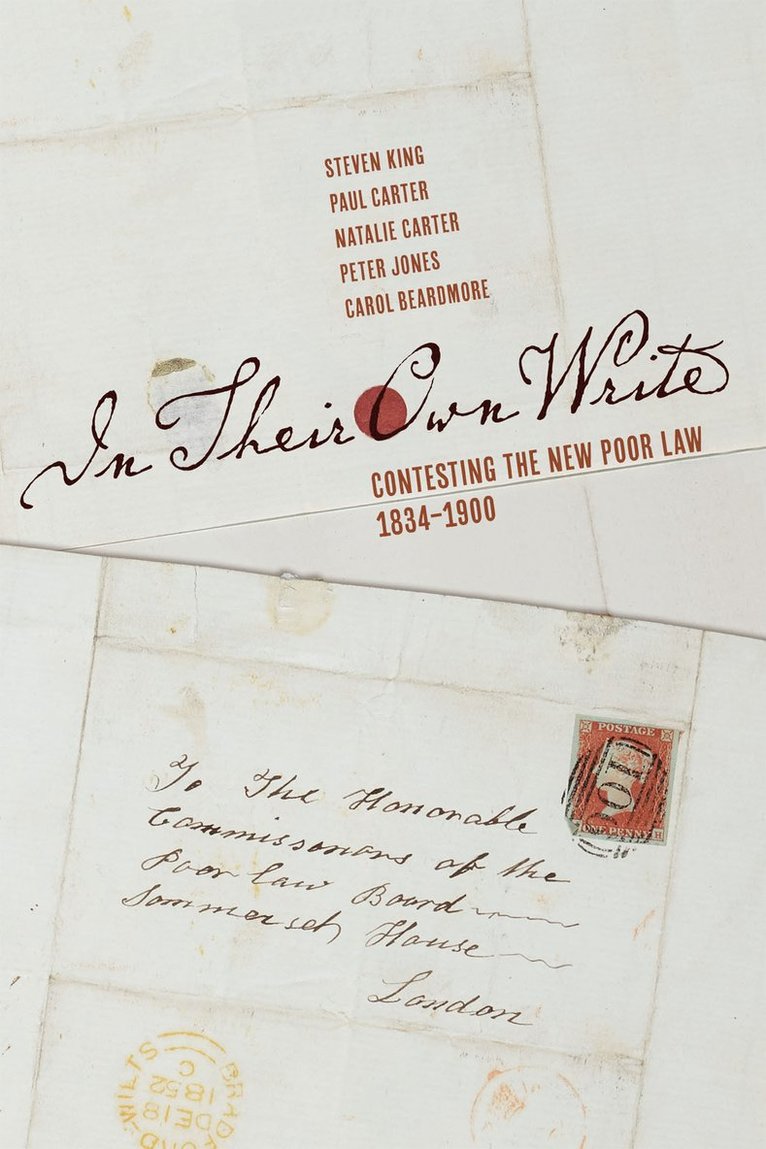
In Their Own Write
Steven King, Paul Carter, Natalie Carter, Peter Jones, Carol Beardmore
Inbunden, 2022
2 159 kr
Del 6
In Their Own Write
Steven King, Paul Carter, Natalie Carter, Peter Jones, Carol Beardmore
Häftad, 2022
679 kr
Del 9
Narratives of the Poor in Eighteenth-Century England Vol 1
Alysa Levene, Steven King, Alannah Tomkins, Thomas Nutt, Peter King, Deborah A Symonds, Lisa Zunshine
Inbunden, 2006
2 409 kr
Narratives of the Poor in Eighteenth-Century England Vol 2
Alysa Levene, Steven King, Alannah Tomkins, Thomas Nutt, Peter King, Deborah A Symonds, Lisa Zunshine
Inbunden, 2006
2 409 kr
Hoppa över listan
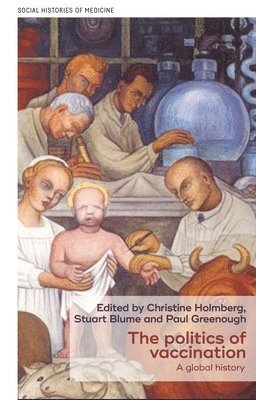
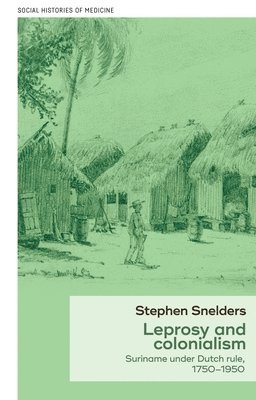
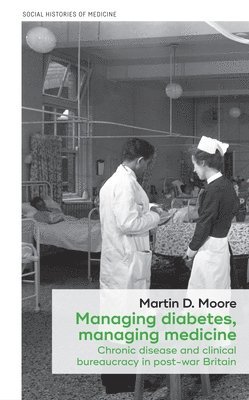
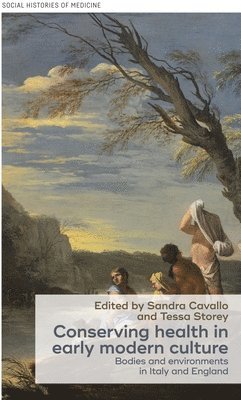
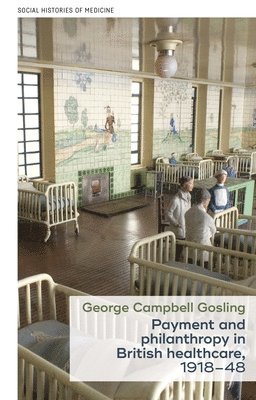
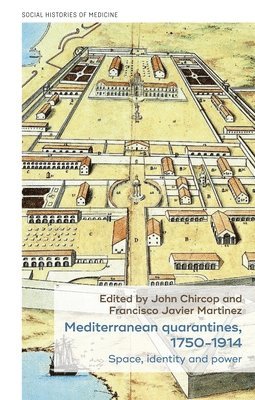
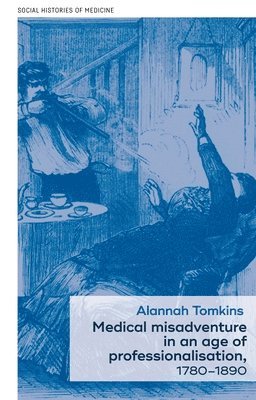
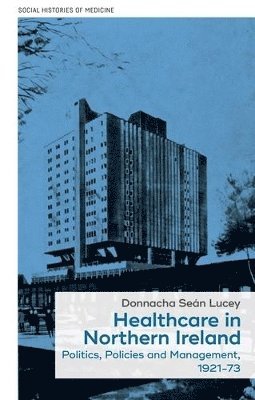

Mer från samma serie
Del 2
Del 9
Del 6
Del 15
Del 8
Del 4
Del 7
Del 5
Medical Misadventure in an Age of Professionalisation, 1780–1890
Alannah Tomkins
Inbunden, 2017
1 609 kr
Del 11
Del 1
Hoppa över listan








Du kanske också är intresserad av
- Nyhet
Del 3
- Nyhet
Del 11
- Nyhet
Del 6
- Nyhet
Del 4
Del 3
Del 1
Del 2
Del 7
- Nyhet
- Nyhet