
Del i serien Shakespeare and Theory
Shakespeare and Trauma Theory
Inbunden, Engelska, 2026
1 499 kr
Beställningsvara. Skickas inom 10-15 vardagar. Fri frakt för medlemmar vid köp för minst 249 kr.
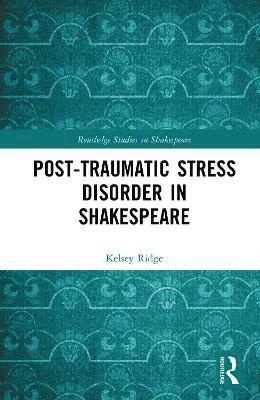
Kelsey Ridge provides a thorough overview of how we can use trauma theory to understand Shakespeare through its intellectual and practical application. Ridge covers the history of trauma theory from Freud and shell shock to Holocaust studies and PTSD, drawing on psychoanalytic theory, feminist theory, post-colonial theory and disability studies. She also looks at the expansive and growing history of trauma-informed Shakespeare productions and adaptations, which furthers our understanding of key plays and productions. Ridge offers a number of instructive case studies, including The Tempest; R+J, which adapted Romeo and Juliet; and Cry Havoc!, a trauma-focused appropriation of Shakespeare’s work that led to the development of the DE-CRUIT program.These case studies suggest how trauma theory can be used as a tool for analyzing Shakespeare as well as engaging with the lived experience of trauma itself. By exploring these interpretations, Ridge provides a set of tools for those wanting to conduct their own trauma theory analyses of Shakespeare, productions, and adaptations. A dynamic resource for academics, students, and theatre practitioners, Shakespeare and Trauma Theory includes suggested readings and resources as well as discussion of key terms to support understanding of an important and growing field in Shakespeare studies.
Produktinformation
- Utgivningsdatum2026-02-19
- Mått138 x 218 x 16 mm
- Vikt360 g
- FormatInbunden
- SpråkEngelska
- SerieShakespeare and Theory
- Antal sidor184
- FörlagBloomsbury Publishing PLC
- ISBN9781350439108
Tillhör följande kategorier
Hoppa över listan



Mer från samma författare
Shakespeare and Religion: Global Tapestry, Dramatic Perspectives
Jennifer Basye Gilstrap, Jay Zysk, Michele Osherow, Shandi Stevenson, Giacomo Ferrari, Milo-Rhys K. Teplin di Padilla, Kelsey Ridge, Annalise Benjamin, Camilo Peralta, Margie Burns, Travis J. Knapp, Caroline Weisenthal Lion, Margie Burns
Inbunden, 2025
1 929 kr
Shakespeare and Religion: Global Tapestry, Dramatic Perspectives
Jennifer Basye Gilstrap, Jay Zysk, Michele Osherow, Shandi Stevenson, Giacomo Ferrari, Milo-Rhys K. Teplin di Padilla, Kelsey Ridge, Annalise Benjamin, Camilo Peralta, Margie Burns, Travis J. Knapp, Caroline Weisenthal Lion, Margie Burns
Häftad, 2025
1 069 kr
Hoppa över listan



Du kanske också är intresserad av
Shakespeare and Religion: Global Tapestry, Dramatic Perspectives
Jennifer Basye Gilstrap, Jay Zysk, Michele Osherow, Shandi Stevenson, Giacomo Ferrari, Milo-Rhys K. Teplin di Padilla, Kelsey Ridge, Annalise Benjamin, Camilo Peralta, Margie Burns, Travis J. Knapp, Caroline Weisenthal Lion, Margie Burns
Inbunden, 2025
1 929 kr
Shakespeare and Religion: Global Tapestry, Dramatic Perspectives
Jennifer Basye Gilstrap, Jay Zysk, Michele Osherow, Shandi Stevenson, Giacomo Ferrari, Milo-Rhys K. Teplin di Padilla, Kelsey Ridge, Annalise Benjamin, Camilo Peralta, Margie Burns, Travis J. Knapp, Caroline Weisenthal Lion, Margie Burns
Häftad, 2025
1 069 kr