
Del i serien Shakespeare and Theory
Shakespeare and Ecofeminist Theory
Inbunden, Engelska, 2017
2 299 kr
Beställningsvara. Skickas inom 10-15 vardagar. Fri frakt för medlemmar vid köp för minst 249 kr.
Finns i fler format (1)
Ecofeminism has been an important field of theory in philosophy and environmental studies for decades. It takes as its primary concern the way the relationship between the human and nonhuman is both material and cultural, but it also investigates how this relationship is inherently entangled with questions of gender equity and social justice.Shakespeare and Ecofeminist Theory engagingly establishes a history of ecofeminist scholarship relevant to early modern studies, and provides a clear overview of this rich field of philosophical enquiry. Through fresh, detailed readings of Shakespeare’s poetry and drama, this volume is a wholly original study articulating the ways in which we can better understand the world of Shakespeare’s plays, and the relationships between men, women, animals, and plants that we see in them.
Produktinformation
- Utgivningsdatum2017-02-23
- Mått129 x 198 x 15 mm
- Vikt345 g
- FormatInbunden
- SpråkEngelska
- SerieShakespeare and Theory
- Antal sidor216
- FörlagBloomsbury Publishing PLC
- ISBN9781472590466
Tillhör följande kategorier
Hoppa över listan
Mer från samma författare
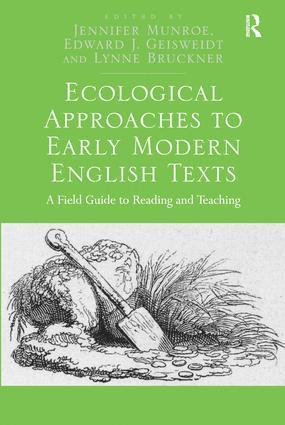
Ecological Approaches to Early Modern English Texts
Jennifer Munroe, Edward J. Geisweidt
Inbunden, 2016
3 699 kr
Ecological Approaches to Early Modern English Texts
Jennifer Munroe, Edward J. Geisweidt
Häftad, 2015
1 039 kr
Hoppa över listan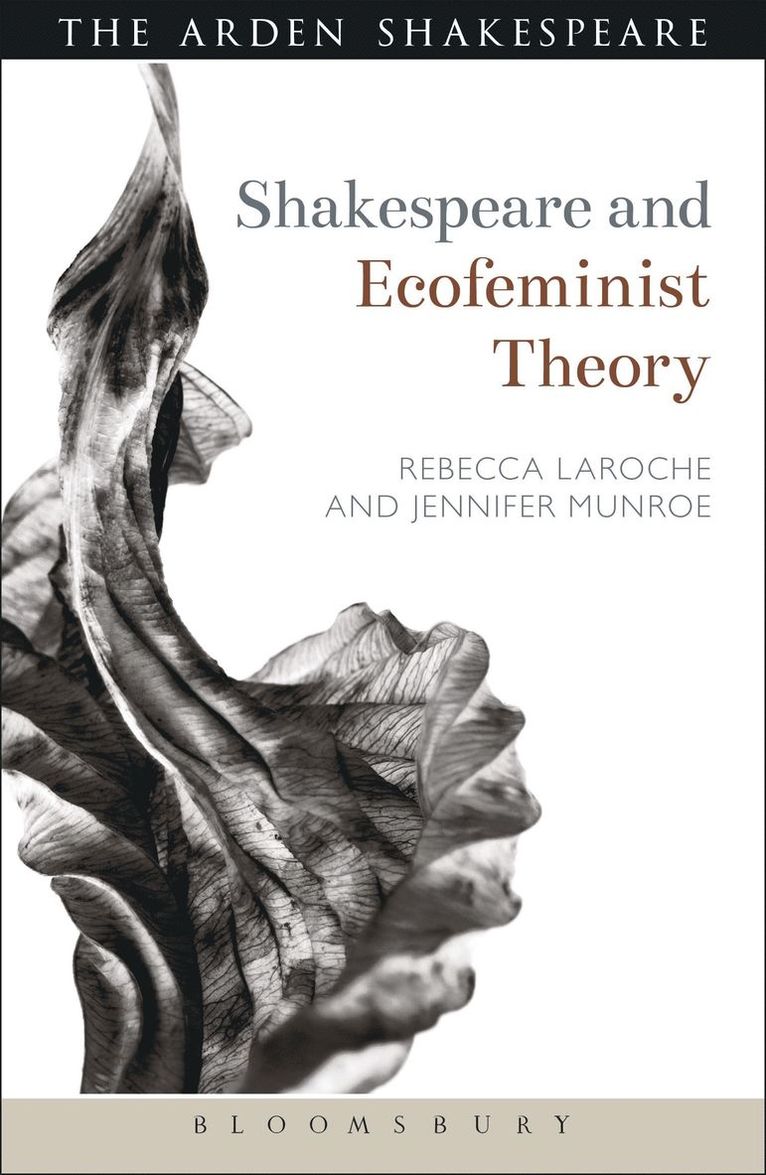


Du kanske också är intresserad av
Shakespeare and Ecofeminist Theory
Jennifer Munroe, Rebecca Laroche, Evelyn Gajowski
Häftad, 2017
589 kr
Ecological Approaches to Early Modern English Texts
Jennifer Munroe, Edward J. Geisweidt
Häftad, 2015
1 039 kr
Ecological Approaches to Early Modern English Texts
Jennifer Munroe, Edward J. Geisweidt
Inbunden, 2016
3 699 kr
- Nyhet
Del 11
- Nyhet
Del 3