
Del 15
Del 72 i serien Studies in Medieval and Early Modern Culture
Shadow of Dante in French Renaissance Lyric
Scève's "Délie"
Inbunden, Engelska, 2020
2 199 kr
Beställningsvara. Skickas inom 5-8 vardagar. Fri frakt för medlemmar vid köp för minst 249 kr.
Scholars generally consider the sequence ofdense, epigrammatic dizains that compriseMaurice Scève's lyric sequence Délie to be anearly example of French Renaissanceimitation of Petrarch's lyric poetry. WhilePetrarch's Canzoniere is an important sourcefor Scève's Délie, both works are part of along poetic lineage that includes Occitantroubadours. The book argues that the 'Petrarchan' label is problematic for Scève'sDélie, and reveals Dante Alighieri as arelevant predecessor and source.
Produktinformation
- Utgivningsdatum2020-11-09
- Mått156 x 234 x 26 mm
- Vikt637 g
- FormatInbunden
- SpråkEngelska, Franska, Medelfranska, Fornfranska, Klassisk grekiska, Italienska, Latin
- SerieStudies in Medieval and Early Modern Culture
- Antal sidor248
- FörlagDe Gruyter
- ISBN9781501517976
Tillhör följande kategorier
Hoppa över listan
Mer från samma serie
Del 29
Del 18
Del 19
Del 22
Del 23
Religion, Culture, and Society in the Early Middle Ages
John J Contreni, Thomas FX Noble
Häftad, 1987
649 kr
Del 24
Del 25
Del 26
Hoppa över listan
Du kanske också är intresserad av
Del 48
Del 38
Del 61
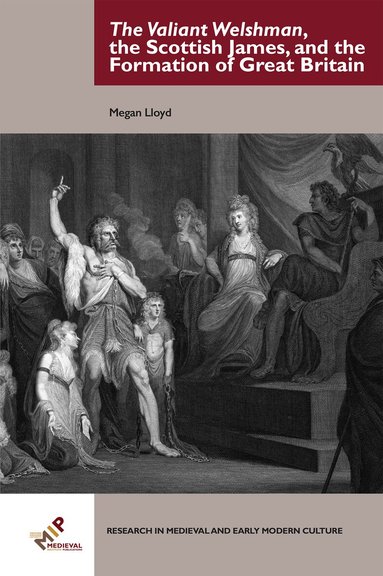
Valiant Welshman, the Scottish James, and the Formation of Great Britain
Megan S. Lloyd
Inbunden, 2018
2 219 kr
Del 31
Uses of Manuscripts in Literary Studies
Penelope R. Doob, Charlotte C. Morse, Marjorie C. Woods
Häftad, 1992
759 kr
Del 18
Del 79
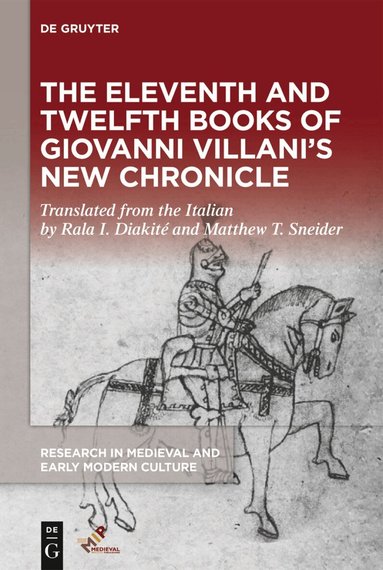
Eleventh and Twelfth Books of Giovanni Villani's "New Chronicle"
Matthew Sneider, Rala Diakité
Inbunden, 2022
2 559 kr
- Nyhet
Del 3
Del 52
Del 22
Del 16