
Self-Trust
A Study of Reason, Knowledge, and Autonomy
Häftad, Engelska, 1997
839 kr
Beställningsvara. Skickas inom 7-10 vardagar. Fri frakt för medlemmar vid köp för minst 249 kr.
Finns i fler format (1)
Keith Lehrer offers an original philosophical view of principal aspects of the human condition, such as reason, knowledge, wisdom, autonomy, love, consensus, and consciousness. Three unifying ideas run through the book. The first is that what is uniquely human is the capacity for metamental ascent, the ability to consider and evaluate first-order mental states (such as beliefs and desires) that arise naturally within us. A primary function of this metamental ascent is the resolution of personal and interpersonal conflict, essential to such central human goods as wisdom, autonomy, and consensus. The second unifying idea is that we have a system for such reflective evaluation which yields acceptance (in relation to beliefs) or preference (in relation to the objects of desires). The third unifying idea is that there are `keystones' of evaluation in this system: loops of trustworthiness that are themselves supported by the structure that they hold together. Self-trust is the basis of our trustworthiness, on which reason, knowledge, and wisdom are grounded.
Produktinformation
- Utgivningsdatum1997-01-09
- Mått137 x 216 x 14 mm
- Vikt276 g
- FormatHäftad
- SpråkEngelska
- Antal sidor216
- FörlagClarendon Press
- ISBN9780198236948
Tillhör följande kategorier
Hoppa över listan

Mer från samma författare
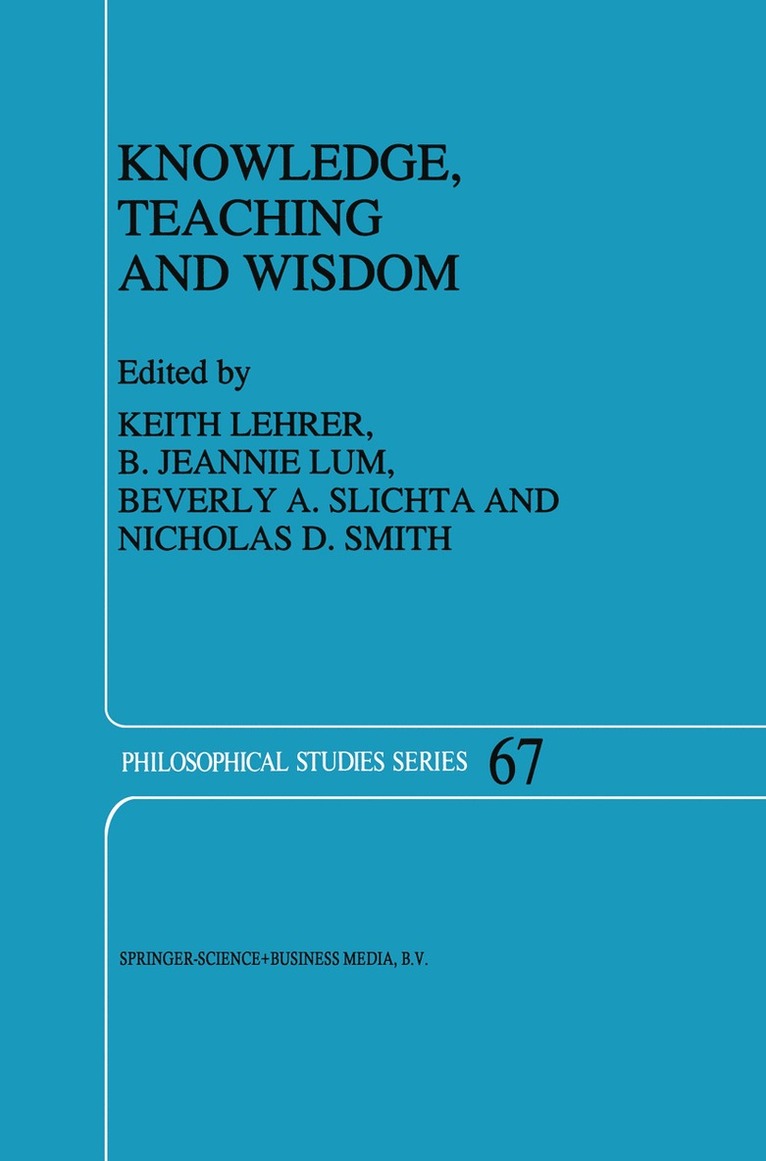
Del 67
Knowledge, Teaching and Wisdom
Keith Lehrer, B.J. Lum, Beverly A. Slichta, N.D. Smith
Inbunden, 1996
2 149 kr
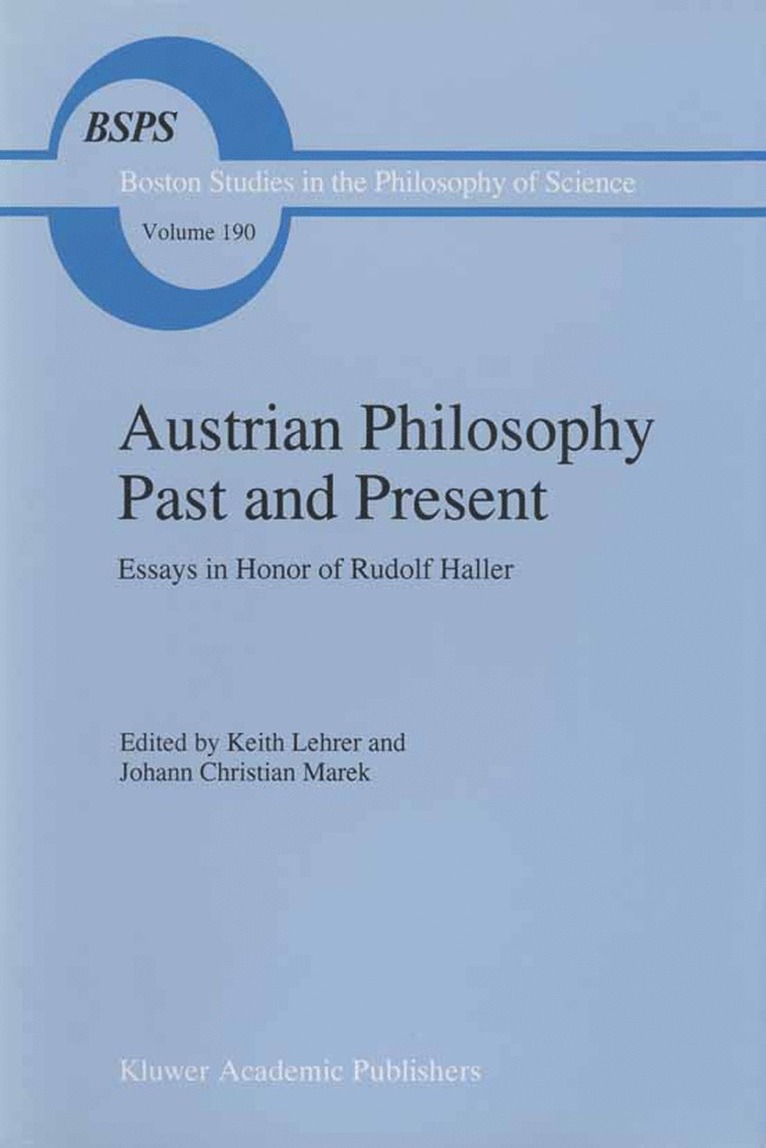
Del 190
Hoppa över listan
Du kanske också är intresserad av
Del 116
Del 24
Del 67
Knowledge, Teaching and Wisdom
Keith Lehrer, B.J. Lum, Beverly A. Slichta, N.D. Smith
Häftad, 2010
2 149 kr
Del 190