
Self-Diagnostic Approach to Understanding Organizational and Personal Stressors
The C-O-P-E Model for Stress Reduction
Inbunden, Engelska, 1997
1 939 kr
Beställningsvara. Skickas inom 10-15 vardagar. Fri frakt för medlemmar vid köp för minst 249 kr.
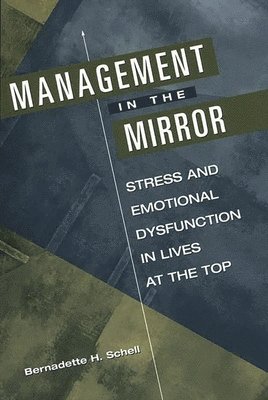
This book was written to help organizations and their members better manage stress. Through a simple framework, C-O-P-E, human resource managers are provided the tools with which to determine if they and their organization are in Control, are showing Outward signs of distress, have Personality predispositions which escalate or de-escalate stress levels, and are Energy-balanced. The book's tone is optimistic, and its theme is: If there is a stress problem, identify it, fix it, but never ignore it. Treatment interventions typically employed by stress experts for fixing stress problems are discussed. Case histories are discussed to give managers a clearer understanding of what can go wrong with coping efforts, and what individuals and organizations can do to turn a negative situation into a positive one.Professionals, such as human resource managers and industrial psychologists, and those teaching and researching in such fields as human resource development and training and organizational behavior, will be interested in this work.
Produktinformation
- Utgivningsdatum1997-03-18
- Mått161 x 240 x 22 mm
- Vikt646 g
- FormatInbunden
- SpråkEngelska
- Antal sidor320
- FörlagBloomsbury Publishing Plc
- ISBN9780899309385
Tillhör följande kategorier
Hoppa över listan
Mer från samma författare
Stalking, Harassment, and Murder in the Workplace
Nellie Lanteigne, Bernadette H. Schell
Inbunden, 2000
1 359 kr
Hoppa över listan

Du kanske också är intresserad av
Del 9
COMPUTATIONAL PHYSICS - PROCEEDINGS OF THE 9TH PHYSICS SUMMER SCHOOL AT THE AUSTRALIAN NATIONAL UNIV
C M SAVAGE H J GARDNER, Henry J Gardner, Craig M Savage
Inbunden, 1997
1 619 kr
Geopolitics in Post-Wall Europe
Ola Tunander, Pavel Baev, Victoria Ingrid Einagel
Häftad, 1997
2 199 kr
Realencyclopädie der classischen Altertumswissenschaft
Christa Frateantonio, Pauly-Wissowa, Tobias Erler, Matthias Kopp, Dorothea Sigel, Dorothea Steiner
Inbunden, 1997
4 419 kr