
Del i serien Oxford Music/Media Series
Seeing Through Music
Gender and Modernism in Classic Hollywood Film Scores
Häftad, Engelska, 2015
909 kr
Beställningsvara. Skickas inom 5-8 vardagar. Fri frakt för medlemmar vid köp för minst 249 kr.
Finns i fler format (1)
Hollywood film music is often mocked as a disreputably "applied" branch of the art of composition that lacks both the seriousness and the quality of the classical or late-romantic concert and operatic music from which it derives. Its composers in the 1930s and '40s were themselves often scornful of it and aspired to produce more 'serious' works that would enhance their artistic reputation. In fact the criticism of film music as slavishly descriptive or manipulatively over-emotional has a history that is older than film - it had even been directed at the relatively popular operatic and concert music written by some of the émigré Hollywood composers themselves before they had left Europe. There, as subsequently in America, such criticism was promoted by the developing project of Modernism, whose often high-minded opposition to mass culture used polarizing language that drew, intentionally or not, upon that of gender difference. Regressive, late-romantic music, the old argument ran, was -- as women were believed to be -- emotional, irrational, and lacking in logic.This book seeks to level the critical playing field between film music and "serious music," reflecting upon gender-related ideas about music and modernism as much as about film. Peter Franklin broaches the possibility of a history of twentieth-century music that would include, rather than marginalize, film music -- and, indeed, the scores of a number of the major Hollywood movies discussed here, like The Bride of Frankenstein, King Kong, Rebecca, Gone With The Wind, Citizen Kane and Psycho. In doing so, he brings more detailed music-historical knowledge to bear upon cinema music, often discussed as a unique and special product of film, and also offers conclusions about the problematic aspects of musical modernism and some arguably liberating aspects of "late-romanticism."
Produktinformation
- Utgivningsdatum2015-07-23
- Mått155 x 231 x 15 mm
- Vikt299 g
- FormatHäftad
- SpråkEngelska
- SerieOxford Music/Media Series
- Antal sidor208
- FörlagOUP USA
- ISBN9780190246549
Tillhör följande kategorier
Hoppa över listan

Mer från samma författare
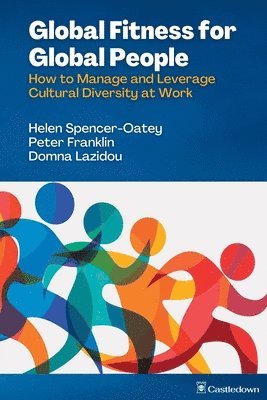
Global Fitness for Global People
Helen Spencer-Oatey, Peter Franklin, Domna Lazidou
Häftad, 2022
289 kr
Hoppa över listan

Du kanske också är intresserad av
Global Fitness for Global People
Helen Spencer-Oatey, Peter Franklin, Domna Lazidou
Häftad, 2022
289 kr