
Del i serien War and Society
Scramble for Asia
U.S. Military Power in the Aftermath of the Pacific War
Häftad, Engelska, 2011
789 kr
Beställningsvara. Skickas inom 10-15 vardagar. Fri frakt för medlemmar vid köp för minst 249 kr.
As American generals and diplomats accepted Japan's surrender on the deck of the U.S.S. Missouri in September 1945, allied combatants wrestled for power in the new post-war world. The decisions made to effect Japan's surrender entangled U.S. forces on the mainland of Asia for the next two years, and helped shape the next several decades of international relations in the Far East. Marc Gallicchio expertly examines the diplomatic, military, and economic struggles in which the United States, China, and the Soviet Union were pitted in the immediate aftermath of victory over Japan. The Allied victory was but a prelude to an American search for a lasting peace across Asia, stretching from Korea to Vietnam and out to the Pacific atolls. In seeking to shape events on the mainland, the administration of Harry S. Truman confronted the anomalous nature of American power. The military operations undertaken by the United States in the early days of post-war peace affected developments in Asia in unexpected ways. As Gallicchio makes clear, Americans would soon find that the scramble for Asia from 1945 to 1947 had set the stage for future conflict in the region.
Produktinformation
- Utgivningsdatum2011-11-23
- Mått155 x 230 x 17 mm
- Vikt340 g
- FormatHäftad
- SpråkEngelska
- SerieWar and Society
- Antal sidor224
- FörlagBloomsbury Publishing Plc
- ISBN9780742544383
Tillhör följande kategorier
Hoppa över listan


Mer från samma serie
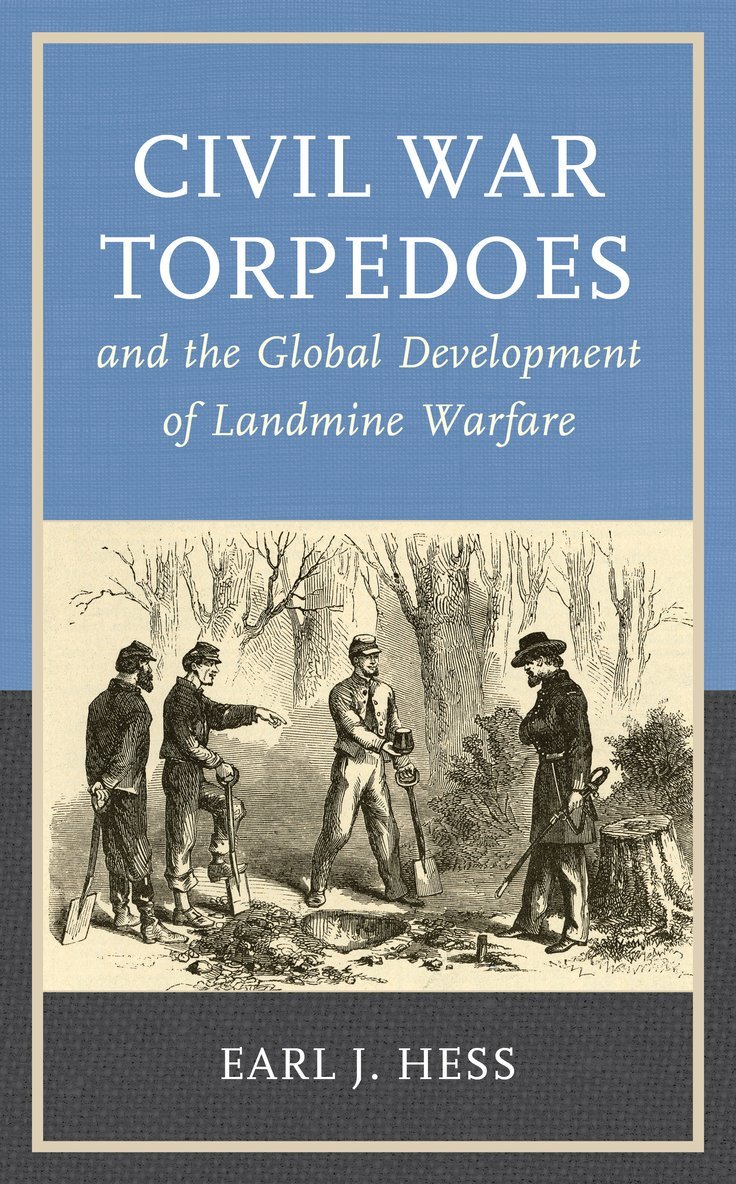
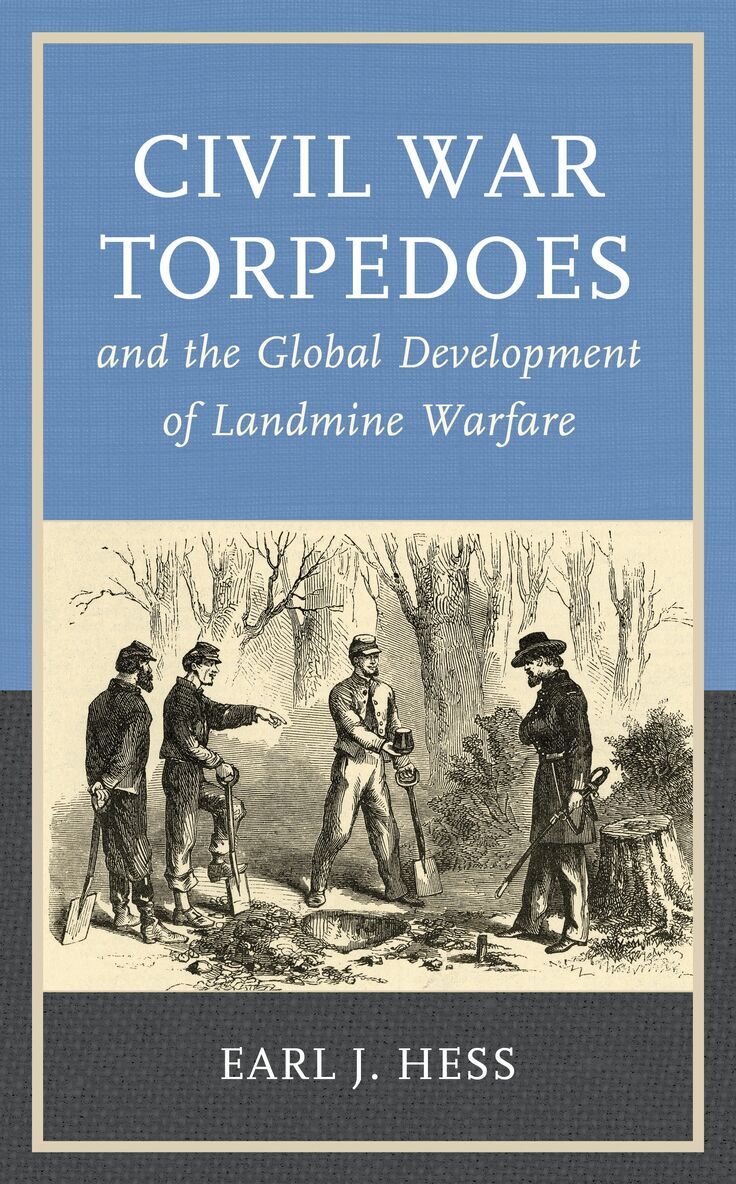
Civil War Torpedoes and the Global Development of Landmine Warfare
Earl J. Hess
Inbunden, 2023
1 589 kr