
Del i serien Methuen Drama Engage
Science Fiction and Contemporary British Theatre
Inbunden, Engelska, 2025
1 749 kr
Beställningsvara. Skickas inom 10-15 vardagar. Fri frakt för medlemmar vid köp för minst 249 kr.
Analysing an expanding body of theatre and performance works, Science Fiction and Contemporary British Theatre examines how the themes and images of science fiction are enabling practitioners to intervene on the most urgent social and political issues of the present moment.By exploring the genre’s impact on the live theatrical event, the book presents an original and topical interrogation of issues that remain at the heart of the national and global political agenda, including military conflict, social injustice, economic inequality, migration, nationhood, anti-democratic populism, and climate collapse.The author draws upon a wide range of dramatic forms, from critically acclaimed plays by writers such as Alistair McDowall, Caryl Churchill, Dawn King, Anne Washburn and Ella Road, to devised work, site-specific performance, Shakespearean drama and physical theatre. The book's chapters are based on some of the genre’s most resonant images, including post-apocalyptic wildernesses, dystopian regimes and artificial lifeforms. Furthermore, by placing examples in dialogue with a range of theories and scholars, this book constructs an innovative interdisciplinary framework comprised of theatre studies, sociology, philosophy, economic and political science.Providing an engagingly written, intellectually rich and uniquely compelling analysis, Science Fiction and Contemporary British Theatre charts a new and growing landscape of scholarly research, and establishes science fiction as an exciting, expanding and urgent dramatic and political practice.
Produktinformation
- Utgivningsdatum2025-08-21
- Mått138 x 218 x 18 mm
- Vikt399 g
- FormatInbunden
- SpråkEngelska
- SerieMethuen Drama Engage
- Antal sidor216
- FörlagBloomsbury Publishing PLC
- ISBN9781350394339
Tillhör följande kategorier
Hoppa över listan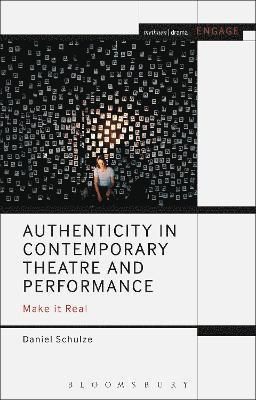
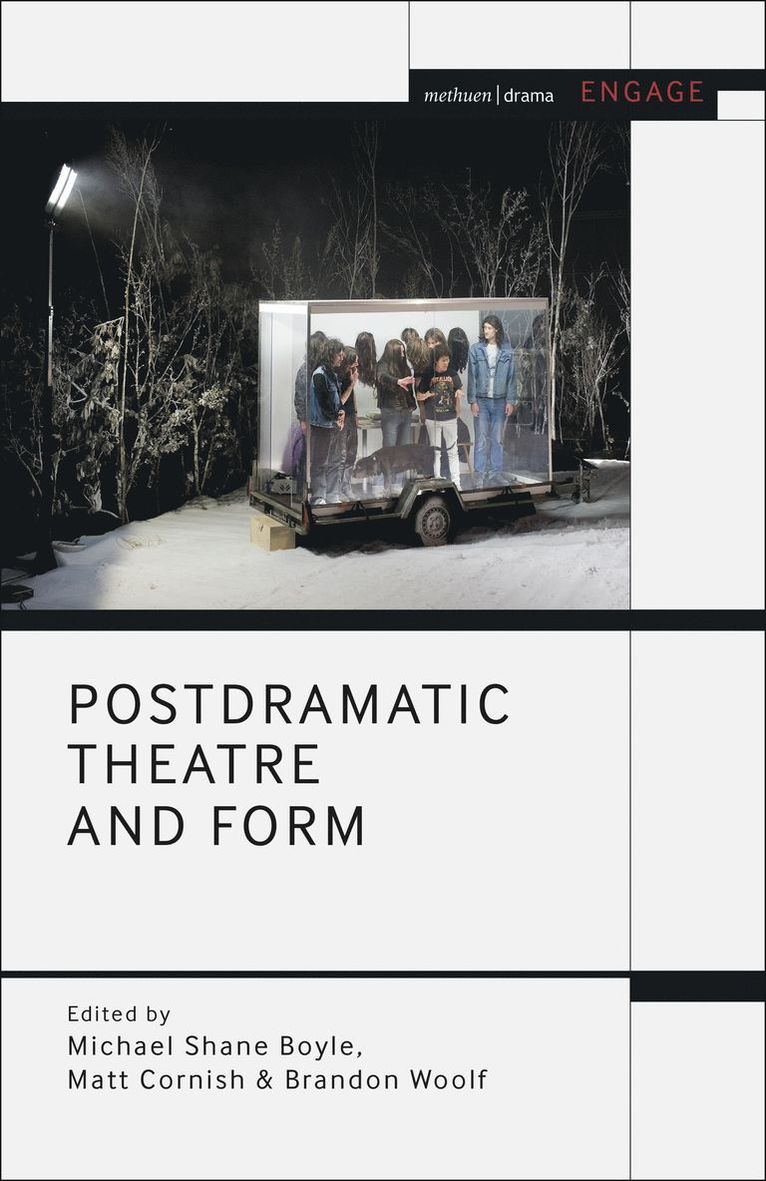
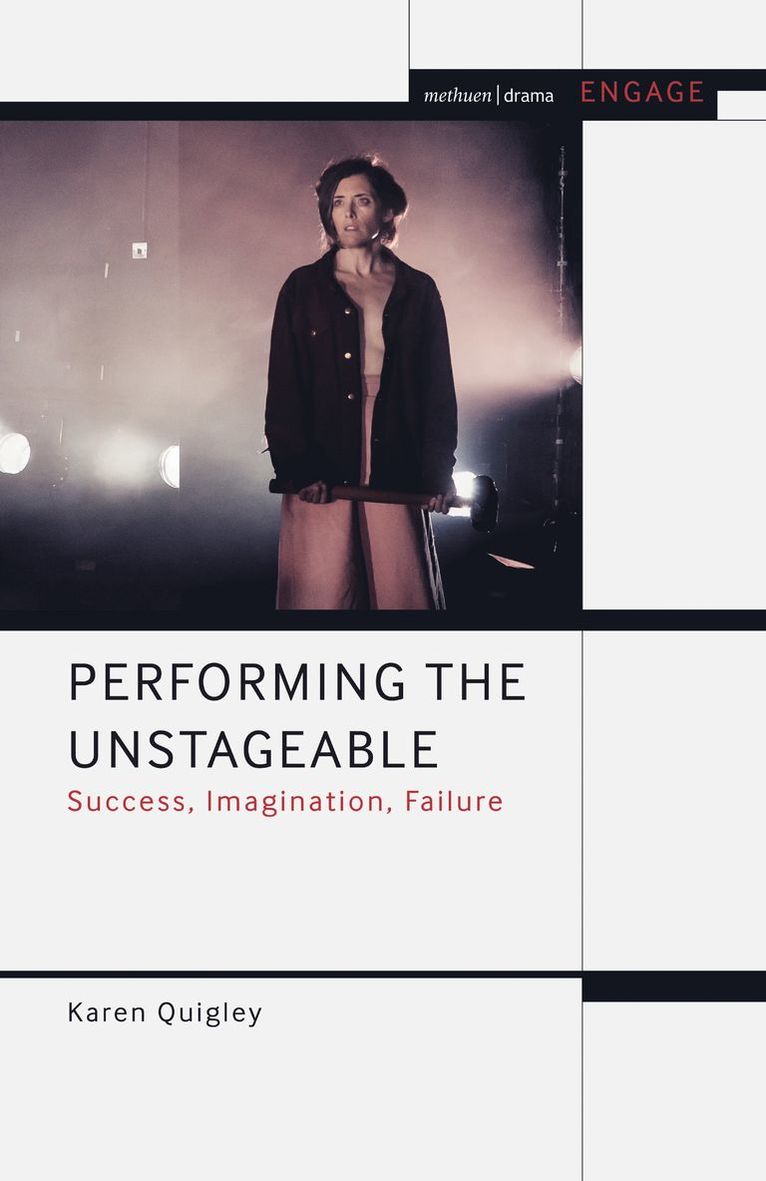
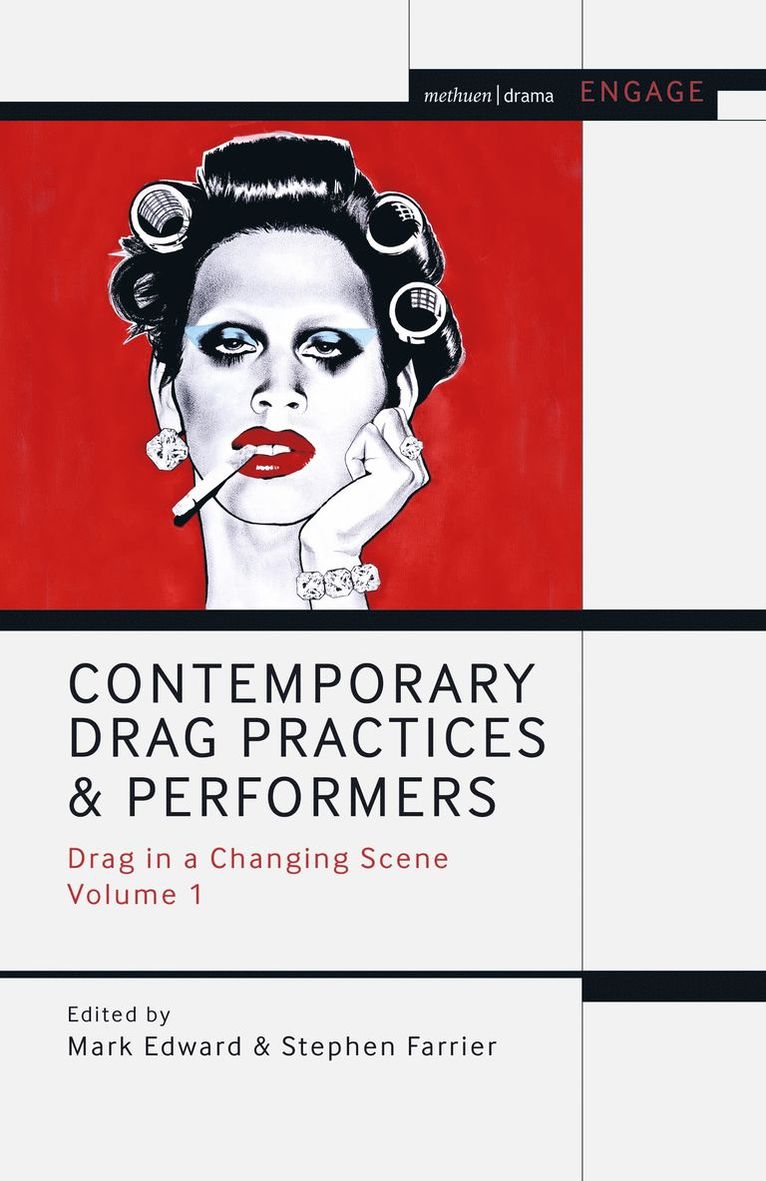
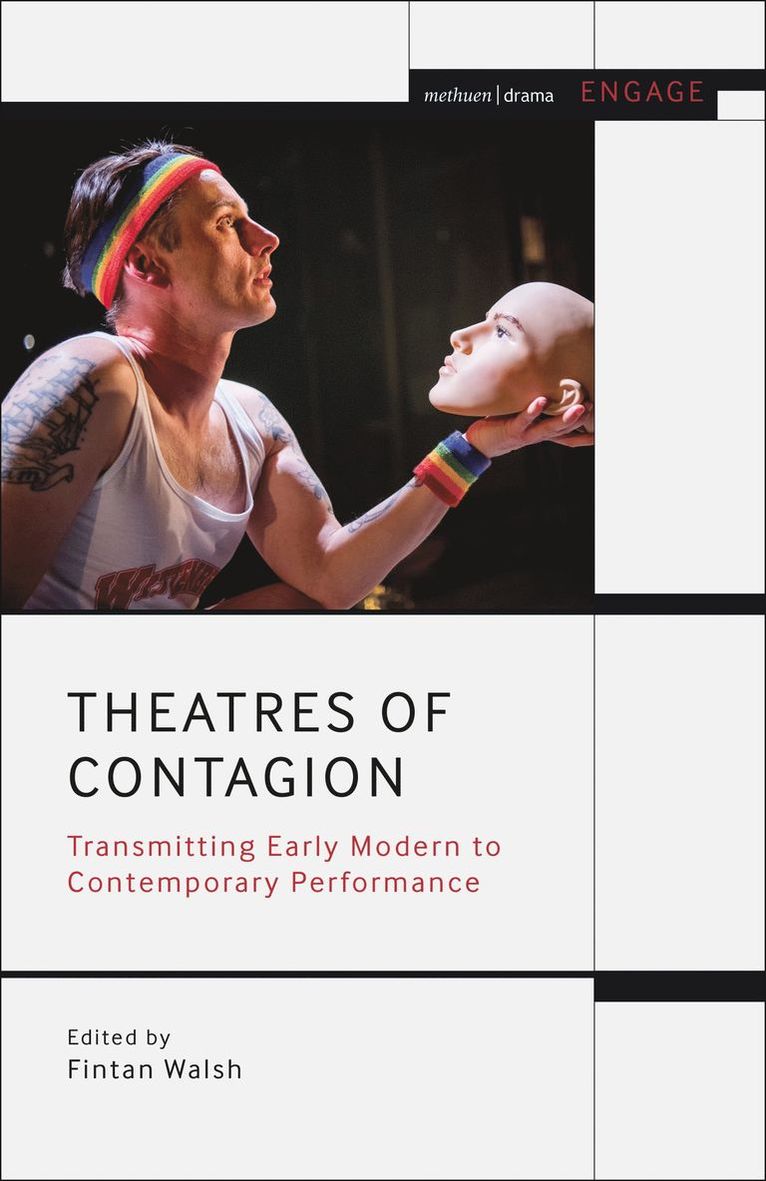
Mer från samma serie
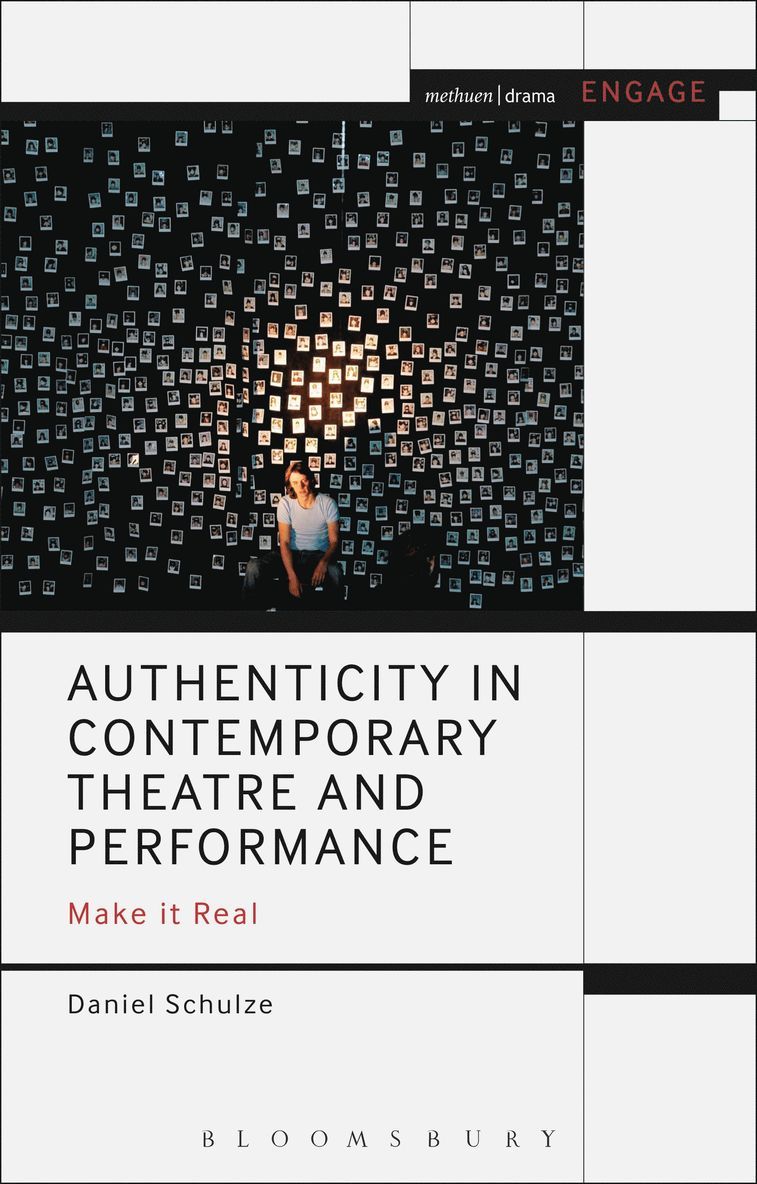
Authenticity in Contemporary Theatre and Performance
Daniel Schulze, Enoch Brater, Mark Taylor-Batty
Inbunden, 2017
1 749 kr
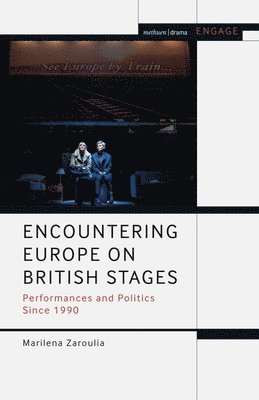
Encountering Europe on British Stages
Marilena Zaroulia, Enoch Brater, Mark Taylor-Batty
Inbunden, 2022
1 919 kr
Hoppa över listan





Du kanske också är intresserad av
Science Fiction and Contemporary British Theatre
Ian Farnell, Mark Taylor-Batty, Enoch Brater
Häftad, 2027
709 kr
- Nyhet
Del 1

- Nyhet
Del 1
- Nyhet
Del 1