
Del i serien Graz Schumpeter Lectures
Schumpeter and the Endogeneity of Technology
Some American Perspectives
Häftad, Engelska, 2006
1 199 kr
Beställningsvara. Skickas inom 10-15 vardagar. Fri frakt för medlemmar vid köp för minst 249 kr.
Finns i fler format (1)
Schumpeter's profoundly influential work developed the notion of the endogeneity of technology, and offered illuminating historical analyses of how and why some social systems have managed to generate innovation. This new interpretation explores Schumpeter's central ideas, and examines the ways in which the concept of endogeneity can illuminate recent American economic history.
Produktinformation
- Utgivningsdatum2006-04-06
- Mått138 x 216 x 9 mm
- Vikt250 g
- FormatHäftad
- SpråkEngelska
- SerieGraz Schumpeter Lectures
- Antal sidor136
- FörlagTaylor & Francis Ltd
- ISBN9780415771214
Tillhör följande kategorier
Hoppa över listan




Mer från samma författare
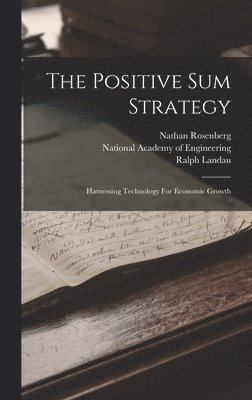
Positive Sum Strategy
National Academy of Sciences, Nathan Rosenberg, Ralph Landau
Häftad, 1986
3 689 kr
Del 1
Del 2
Chemicals and Long-Term Economic Growth
Ashish Arora, Ralph Landau, Nathan Rosenberg
Häftad, 2000
1 639 kr
Hoppa över listan


Du kanske också är intresserad av
Del 1
Del 2
Positive Sum Strategy
National Academy of Sciences, Nathan Rosenberg, Ralph Landau
Häftad, 1986
3 689 kr
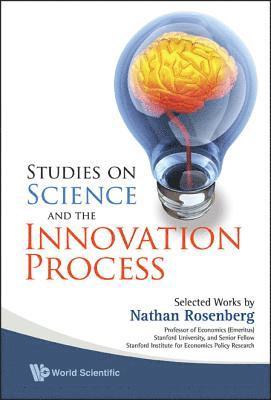
STUDIES ON SCIENCE AND THE INNOVATION PROCESS: SELECTED WORKS BY NATHAN ROSENBERG
ROSENBERG NATHAN, Nathan Rosenberg
Inbunden, 2009
3 129 kr