
Sanctuary and Subjectivity
Thinking Theologically about Whiteness and Sanctuary Movements
Häftad, Engelska, 2023
359 kr
Skickas . Fri frakt för medlemmar vid köp för minst 249 kr.
Finns i fler format (1)
The Sanctuary Movement of the 1980s was a movement led by white religious liberals that housed Central Americans fleeing dictatorships supported by the United States government, giving them a platform to speak about the situation in their countries of origin. This book focuses on the movement’s whiteness by centering the voices of recipients of sanctuary and taking their critiques seriously. The result is an account of the movement that takes seriously the agential limitations of sanctuary and the struggles for agency by recipients. Using interviews with participants in the movement as well auto-ethnographic research as the white pastor of a church in the New Sanctuary Movement, this book situates the sanctuary as site for theological reflection on some of the most pressing issues facing the Church today – the possibilities of testimony, the Holy Spirit, ecclesiology, and mercy. In doing so, it proposes a new theoretical framework for thinking about practice by introducing readers to Judith Butler’s theories of subjectivation and arguing for ethnographically engaged theology that is able to think beyond virtue and excellence towards an understanding of fugitivity.
Produktinformation
- Utgivningsdatum2023-10-19
- Mått156 x 230 x 16 mm
- Vikt340 g
- FormatHäftad
- SpråkEngelska
- SerieT&T Clark Studies in Social Ethics, Ethnography and Theologies
- Antal sidor216
- FörlagBloomsbury Publishing PLC
- ISBN9780567711281
Tillhör följande kategorier
Hoppa över listan



Mer från samma serie
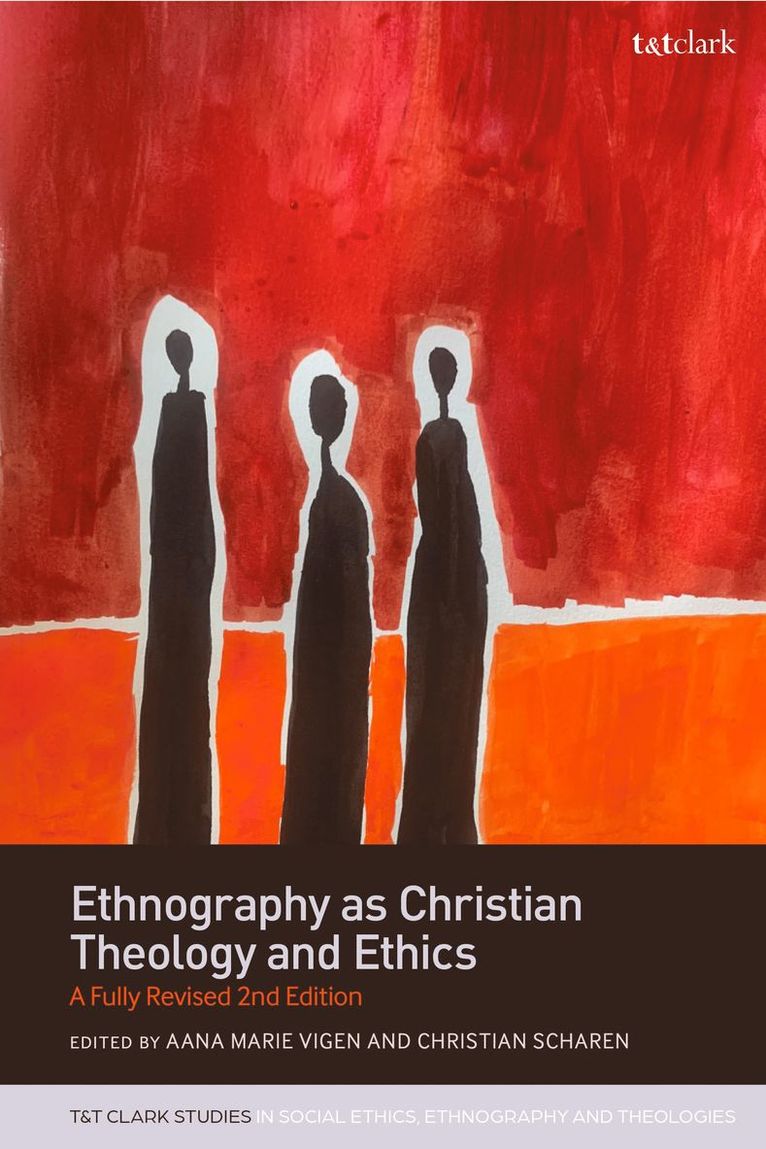
Ethnography as Christian Theology and Ethics
Aana Marie Vigen, Christian Scharen
Inbunden, 2024
1 459 kr
Public Theology and Violent Rhetoric Examined in a Queer Womanist Critical Ethnography
Teresa L. Smallwood, Todd D. Whitmore, Todd D Whitmore, Aana Marie Vigen, Traci C West, Annemarie Mingo
Häftad, 2025
409 kr
Public Theology and Violent Rhetoric Examined in a Queer Womanist Critical Ethnography
Teresa L. Smallwood, Todd D. Whitmore
Inbunden, 2025
1 189 kr
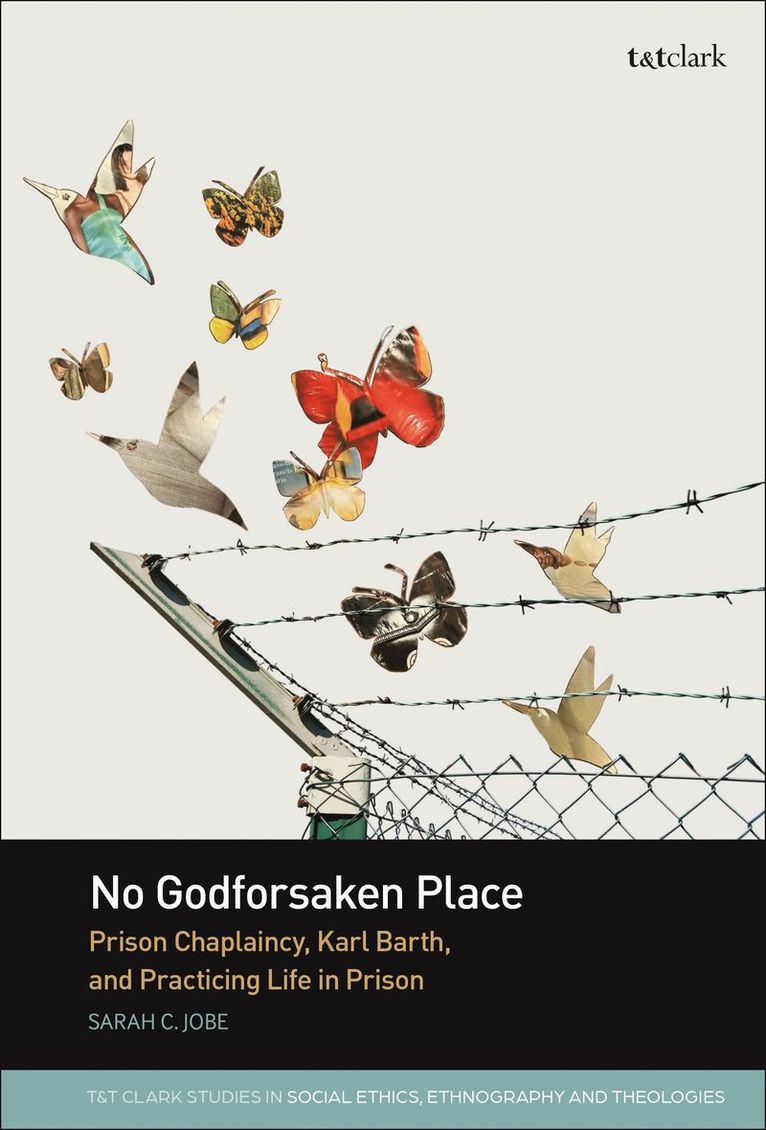
No Godforsaken Place
Sarah C. Jobe, Todd D. Whitmore, Todd D Whitmore, Aana Marie Vigen, Traci C West, Annemarie Mingo
Häftad, 2025
409 kr
Hoppa över listan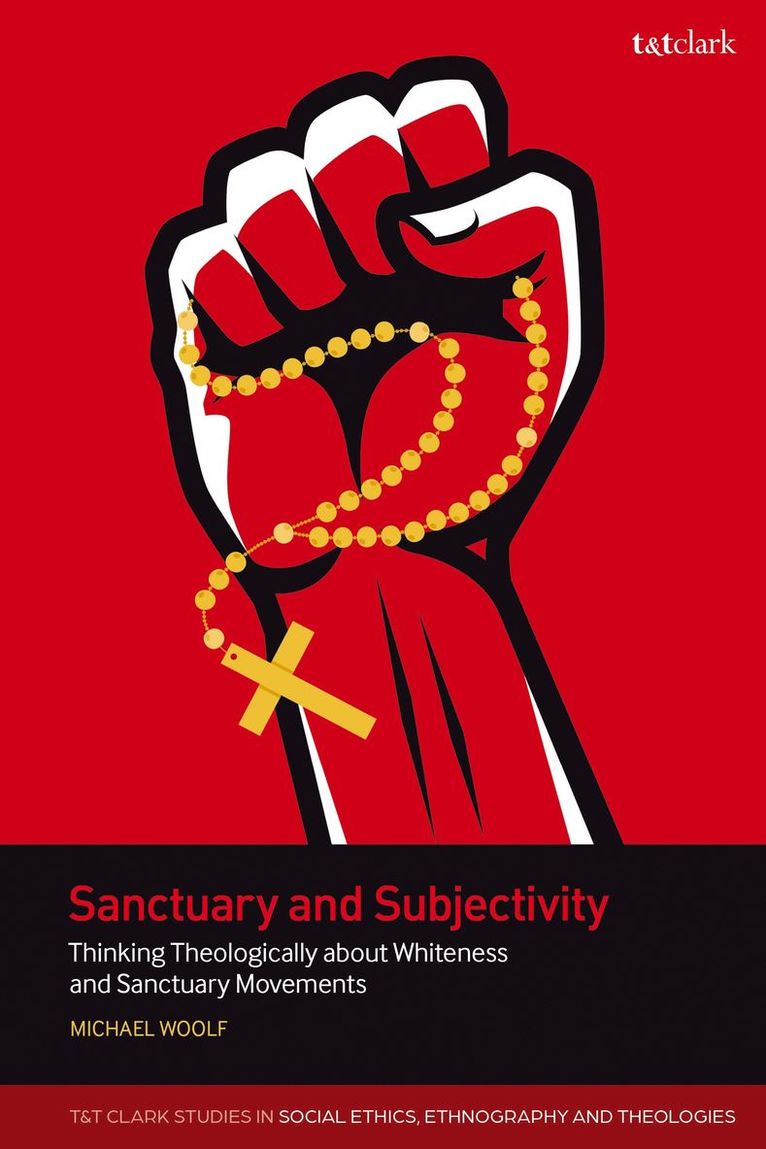

Du kanske också är intresserad av
Public Theology and Violent Rhetoric Examined in a Queer Womanist Critical Ethnography
Teresa L. Smallwood, Todd D. Whitmore, Todd D Whitmore, Aana Marie Vigen, Traci C West, Annemarie Mingo
Häftad, 2025
409 kr
No Godforsaken Place
Sarah C. Jobe, Todd D. Whitmore, Todd D Whitmore, Aana Marie Vigen, Traci C West, Annemarie Mingo
Häftad, 2025
409 kr