
Del 1
Del 12 i serien Sacra Pagina
Sacra Pagina: The Pastoral Epistles
First Timothy, Second Timothy, and Titus
Häftad, Engelska, 2009
469 kr
Beställningsvara. Skickas inom 3-6 vardagar. Fri frakt för medlemmar vid köp för minst 249 kr.
First and Second Timothy and Titus have for many years borne the collective title The Pastoral Epistles." Both their style and their content make it difficult to locate them within the corpus of Pauline letters, and recent scholarship most often considers them pseudonymous, works that imitate Paul's letters but apply the apostle's teaching to the concerns of a later time, two or more decades after Paul's death. The Pastorals differ from Paul's own letters in being addressed to single individuals, coworkers of Paul who have been placed in charge of particular churches 'Timothy apparently in Ephesus, Titus in Crete. They provide instruction for community leaders, both the individual addressees and other leaders whom they will appoint. The specification of certain offices within the local churches is one of the features that appear to locate these works in a later phase of church development.In this commentary Benjamin Fiore, SJ, places the Pastorals in their historical and literary context. The reader will find here a solid introduction to parallel literary forms in Latin and Greek literature and particular descriptions of the way in which these documents use ancient rhetorical forms to achieve their paraenetic and hortatory purpose. Drawing on his parish experience as well as his academic training, Fiore also provides reflections on the contemporary pastoral application of these books, giving readers a renewed appreciation for the "pastoral" label these epistles bear.Benjamin Fiore, SJ, is president and professor of religious studies at Campion College at the University of Regina (Canada).
Produktinformation
- Utgivningsdatum2009-10-01
- Mått152 x 229 x 35 mm
- Vikt369 g
- FormatHäftad
- SpråkEngelska
- SerieSacra Pagina
- Antal sidor280
- FörlagLiturgical Press
- ISBN9780814659809
Tillhör följande kategorier
Hoppa över listan

Du kanske också är intresserad av
Del 16
Del 11
Del 18
Del 7
Del 6
Del 1
- Nyhet
Del 3
Del 16
Del 3
Sacra Pagina: The Gospel of Luke
Luke Timothy Johnson, Daniel J. Harrington, Daniel J Harrington
Häftad, 2006
659 kr
Del 15
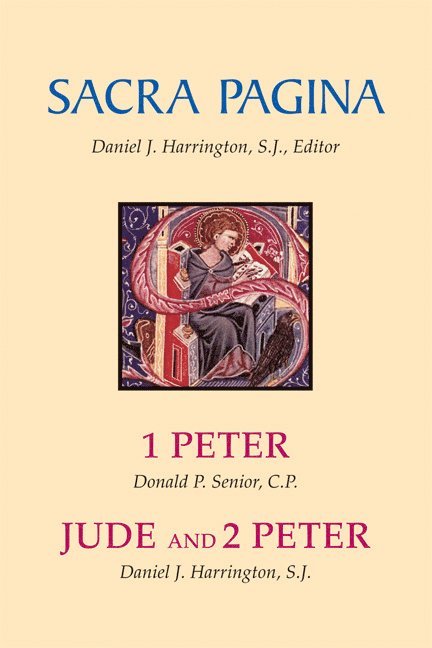
Sacra Pagina: 1 Peter, Jude and 2 Peter
Donald P. Senior CP, Daniel J. Harrington SJ
Häftad, 2008
589 kr