
Del 13 i serien Sacra Pagina
Sacra Pagina: Hebrews
Häftad, Engelska, 2009
719 kr
Beställningsvara. Skickas inom 3-6 vardagar. Fri frakt för medlemmar vid köp för minst 249 kr.
2008 Catholic Press Association Award Winner! Scarcely any book of the New Testament (with the possible exception of Revelation) is so perplexing as the Letter to the Hebrews. Not really a letter, but a sermon with some features of a letter added to it, not really by its putative author,Paul, but by an anonymous Christian who wrote some of the most elegant Greek in the Bible, not really addressed to the Hebrews, but to Christians, probably in Rome 'this is the work that Alan Mitchell explains in this commentary.Many scholars have written fine commentaries on Hebrews, and Mitchell stands on their shoulders, noting where he proposes alternate interpretations. Mitchell pays particular attention to the reliance of the author of Hebrews on the Greek Old Testament (the Septuagint). He also compares the language of Hebrews with similar usage and ideas of first-century Hellenistic Jewish authors, notably Flavius Josephus and Philo of Alexandria. Furthermore, he situates Hebrews against the background of the tradition of Hellenistic Moral Philosophy, where that is appropriate. Mitchell thus locates Hebrews in its proper thought-world, something that is essential for the modern reader in dealing with some of the thornier questions raised by this biblical book. Chief among these are the role of sacrificial atonement, the question of second repentance, and the spiritual and moral formation of the Roman Christians who were its recipients.Like all the volumes in the Sacra Pagina series, this work examines the text in detail, with careful attention to the words and phrasing, and then brings those individual insights together into a coherent summary. The bibliography and special lists appended teach chapter cover the best of recent scholarship on the Letter to the Hebrews.Alan C. Mitchell, PhD, is Associate Professor of New Testament Studies and Christian Origins at Georgetown University and is Director of the Annual Georgetown University Institute on Sacred Scripture. He is a member of the Society of Biblical Literature and Catholic Biblical Association.
Produktinformation
- Utgivningsdatum2009-10-01
- Mått152 x 229 x 21 mm
- Vikt510 g
- FormatHäftad
- SpråkEngelska
- SerieSacra Pagina
- Antal sidor384
- FörlagLiturgical Press
- ISBN9780814659816
Tillhör följande kategorier
Hoppa över listan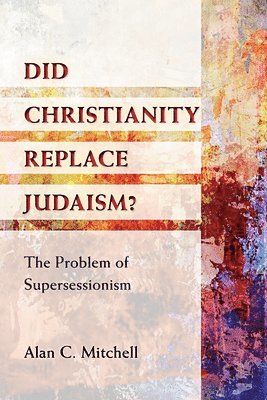

Du kanske också är intresserad av
Del 16
Del 11
Del 18
Del 7
- Nyhet
Del 3
Del 6
Del 1
Del 16
Del 3
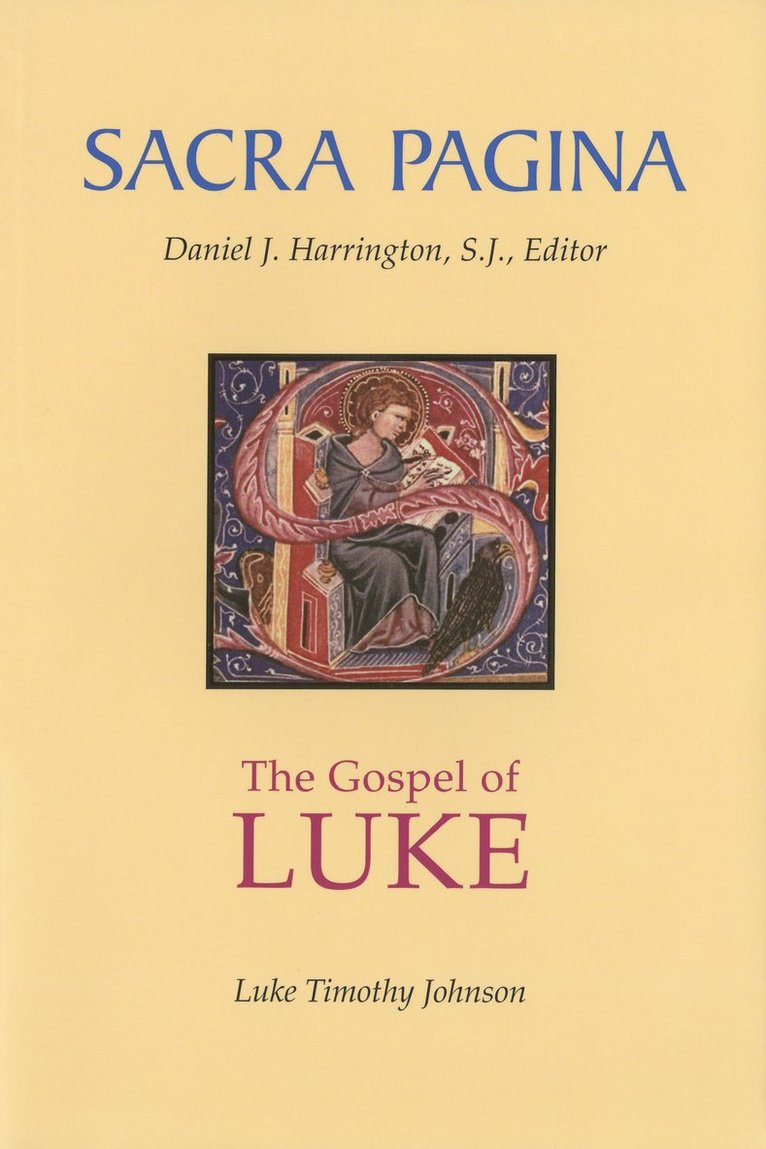
Sacra Pagina: The Gospel of Luke
Luke Timothy Johnson, Daniel J. Harrington, Daniel J Harrington
Häftad, 2006
659 kr