
Del i serien Oxford Theological Monographs
Right Practical Reason
Aristotle, Action, and Prudence in Aquinas
Inbunden, Engelska, 1994
3 889 kr
Beställningsvara. Skickas inom 5-8 vardagar. Fri frakt för medlemmar vid köp för minst 249 kr.
This book is a study of the role of intellect in human action as described by Thomas Aquinas. One of its primary aims is to compare the interpretation of Aristotle by Aquinas with the lines of interpretation offered in contemporary Aristotelian scholarship. The book seeks to clarify the problems involved in the appropriation of Aristotle's theory by a Christian theologian, including such topics as the practical syllogism and the problems of akrasia. Professor Westberg argues that Aquinas was much closer to Aristotle than is often recognized; and he puts forward important new interpretations of the relation of intellect and will in the stages of intention, deliberation, decision, and execution. In the concluding section of the book, he shows how this new interpretation yields fruitful insights on a range of theological topics, including sin, law, love and the moral virtues.
Produktinformation
- Utgivningsdatum1994-09-08
- Mått143 x 224 x 21 mm
- Vikt452 g
- FormatInbunden
- SpråkEngelska
- SerieOxford Theological Monographs
- Antal sidor296
- FörlagClarendon Press
- ISBN9780198267317
Tillhör följande kategorier
Hoppa över listan

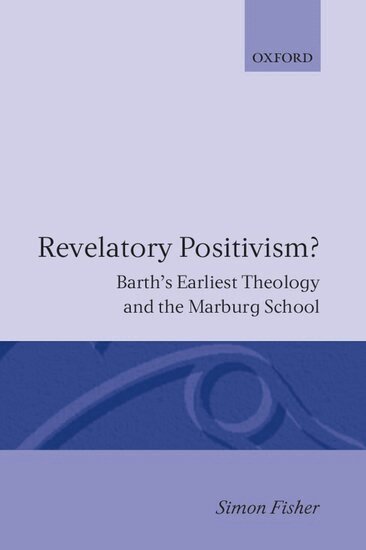
Mer från samma serie
The Muratorian Fragment and the Development of the Canon
Geoffrey Mark Hahneman
Inbunden, 1992
2 659 kr
Hoppa över listan






Du kanske också är intresserad av
- Nyhet
Del 7
- Nyhet
Del 11
- Nyhet
- Nyhet
Del 4
- Nyhet
Del 6
- Nyhet
Del 3
- Nyhet
- Nyhet