
Revolutionary Egypt in the Eyes of the Muslim Brotherhood
A Framing Analysis of Ikhwanweb
Inbunden, Engelska, 2018
1 449 kr
Beställningsvara. Skickas inom 10-15 vardagar. Fri frakt för medlemmar vid köp för minst 249 kr.
Finns i fler format (1)
The Muslim Brotherhood, which was founded in Egypt in 1926, has been at the forefront of the resurgence of political Islam in the Middle East. It has also endeavored to reach out beyond Egypt and the Middle East, to an international audience, increasing its media campaign in English. This outreach is the focus of the book, which delves into the media strategies and ventures of the Muslim Brotherhood by studying how it has used its official English website to frame its political ideologies and its role in the 2011 Egyptian uprising.
Produktinformation
- Utgivningsdatum2018-10-16
- Mått158 x 232 x 21 mm
- Vikt553 g
- FormatInbunden
- SpråkEngelska
- Antal sidor176
- FörlagBloomsbury Publishing Plc
- ISBN9781538100721
Tillhör följande kategorier
Hoppa över listan
Mer från samma författare
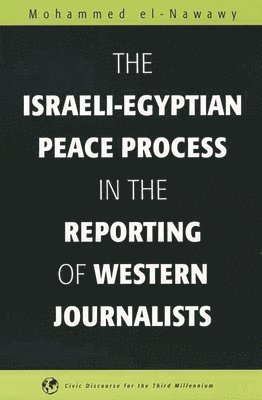
Israeli-Egyptian Peace Process in the Reporting of Western Journalists
Mohammed el-Nawawy
Inbunden, 2002
1 359 kr
Israeli-Egyptian Peace Process in the Reporting of Western Journalists
Mohammed el-Nawawy
Häftad, 2002
499 kr
Hoppa över listan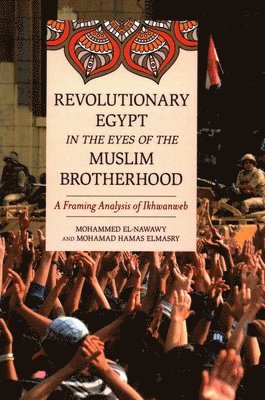



Du kanske också är intresserad av
Revolutionary Egypt in the Eyes of the Muslim Brotherhood
Mohammed el-Nawawy, Mohamad Hamas Elmasry
Häftad, 2021
589 kr
Del 1

- Nyhet
Del 1
- Nyhet
Del 6