
Resituating Crisis
Silencing and Voicing Crisis in Everyday Life
Inbunden, Engelska, 2025
2 449 kr
Beställningsvara. Skickas inom 5-8 vardagar. Fri frakt för medlemmar vid köp för minst 249 kr.
The world is increasingly influenced by ongoing crises, or at least this is what mainstream media and politics wants us to believe. As is shown here, a crisis most often comes in the form of situations challenging a sense of normality, such as with violent conflicts, pandemics, or forced migration. However, crisis is not just a situation twisting normality but can become constitutive of normality itself. In exploring transformative and constructive elements to being in crisis, this volume resituates the view on crisis in everyday life to foster critical and nuanced examination of discourses on and experiences of it.
Produktinformation
- Utgivningsdatum2025-01-01
- Mått152 x 229 x 23 mm
- Vikt558 g
- FormatInbunden
- SpråkEngelska
- Antal sidor298
- FörlagBerghahn Books
- ISBN9781805398257
Tillhör följande kategorier
Hoppa över listan

Mer från samma författare
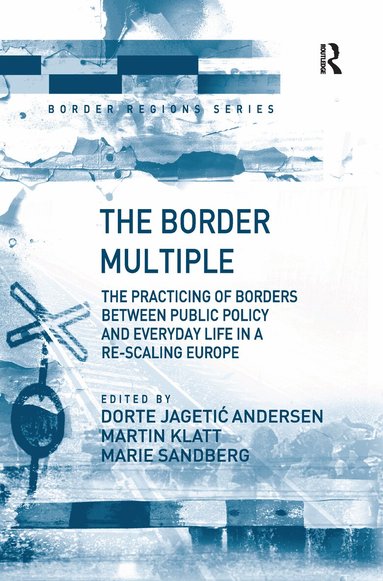
Border Multiple
Martin Klatt, Dorte Jagetic Andersen, Martin Klatt, Marie Sandberg
Häftad, 2017
1 099 kr
Border Multiple
Martin Klatt, Dorte Jagetic Andersen, Martin Klatt, Marie Sandberg
Inbunden, 2012
3 249 kr
Hoppa över listan



Du kanske också är intresserad av
Border Multiple
Martin Klatt, Dorte Jagetic Andersen, Martin Klatt, Marie Sandberg
Häftad, 2017
1 099 kr
Border Multiple
Martin Klatt, Dorte Jagetic Andersen, Martin Klatt, Marie Sandberg
Inbunden, 2012
3 249 kr
- Nyhet
Vid tänkandets gräns : meningen med människan i en tid av artificiell intelligens
Sara Öhrvall
Inbunden, 2026
399 kr
- Nyhet
- Nyhet
- Nyhet
Del 7
- Nyhet
- Nyhet
Del 3