
Del 5
Researching Gender in Adult Learning
Häftad, Engelska, 2008
779 kr
Tillfälligt slut
Contents: Joanna Ostrouch/Edmée Ollagnier: Introduction: claiming space - making waves – Edmée Ollagnier: Gender, learning, recognition – Agnieszka Zembrzuska: Gender aspects of career counselling in Poland: a Foucauldian perspective – Elżbieta Wołodźko: Reflectivity and emancipation in feminist action research – Linden West: Gendered space: men, families and learning – Joanna Ostrouch: Researching with gender sensitiveness: two cases – Monika Grochalska: Qualitative methods in social mobility research – Tuula Heiskanen: Approaching gender issues with action research: collaboration and creation of learning spaces – Ingrid de Saint-Georges: «She will never be a mason»: interacting about gender and negotiating a woman’s place in adult training and education – Agnieszka Bron: Biographical methodology in gender studies and adult learning – Edyta Łyszkowska: Polish women’s mimetic behaviour under TV influence – Borislav Tchalovski: School context and stereotypes reproduction: the role of the teacher – Sheila Gaynard: Choices and transitions in lifelong learning and life course development: one woman’s story – Anna Vidali: Women and knowledge: a study of teachers in early childhood education.
Produktinformation
- Utgivningsdatum2008-09-29
- Mått148 x 210 x 15 mm
- Vikt340 g
- FormatHäftad
- SpråkEngelska
- SerieEuropean Studies in Lifelong Learning and Adult Learning Research
- Antal sidor254
- Upplaga8001
- FörlagPeter Lang AG
- ISBN9783631582510
Tillhör följande kategorier
Hoppa över listan






Du kanske också är intresserad av
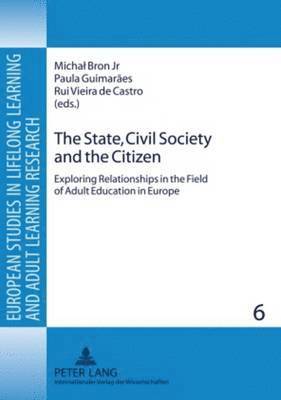
Del 6
State, Civil Society and the Citizen
Michal Bron Jr., Paula Guimarães, Rui Vieira de Castro
Häftad, 2009
1 299 kr
- Nyhet
Del 11
- Nyhet
Del 3
- Nyhet
Del 1
- Nyhet
Del 3
- Nyhet
Del 4
Del 1
Del 3
- Nyhet
Del 6