
Del i serien Religion in North America
Religion and Violence in Early American Methodism
Taking the Kingdom by Force
Inbunden, Engelska, 2010
519 kr
Beställningsvara. Skickas inom 10-15 vardagar. Fri frakt för medlemmar vid köp för minst 249 kr.
Early American Methodists commonly described their religious lives as great wars with sin and claimed they wrestled with God and Satan who assaulted them in terrible ways. Carefully examining a range of sources, including sermons, letters, autobiographies, journals, and hymns, Jeffrey Williams explores this violent aspect of American religious life and thought. Williams exposes Methodism's insistence that warfare was an inevitable part of Christian life and necessary for any person who sought God's redemption. He reveals a complex relationship between religion and violence, showing how violent expression helped to provide context and meaning to Methodist thought and practice, even as Methodist religious life was shaped by both peaceful and violent social action.
Produktinformation
- Utgivningsdatum2010-04-22
- Mått152 x 229 x 19 mm
- Vikt531 g
- FormatInbunden
- SpråkEngelska
- SerieReligion in North America
- Antal sidor248
- FörlagIndiana University Press
- ISBN9780253354440
Tillhör följande kategorier
Hoppa över listan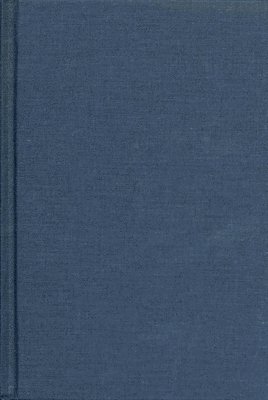


Mer från samma serie
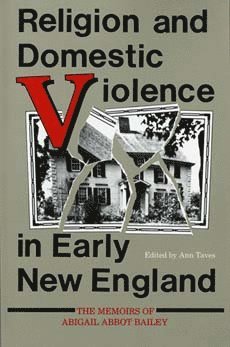
Religion and Domestic Violence in Early New England
Abigail Abbot Bailey, Ann Taves
Häftad, 1989
249 kr