
Reforming Asian Labor Systems
Economic Tensions and Worker Dissent
Häftad, Engelska, 2012
619 kr
Beställningsvara. Skickas inom 10-15 vardagar. Fri frakt för medlemmar vid köp för minst 249 kr.
Finns i fler format (1)
In Reforming Asian Labor Systems, Frederic C. Deyo examines the implications of post-1980s market-oriented economic reform for labor systems in China, South Korea, the Philippines, and Thailand. Adopting a critical institutionalist perspective, he explores the impact of elite economic interests and strategies, labor politics, institutional path dependencies, and changing economic circumstances on regimes of labor and social regulation in these four countries. Of particular importance are reform-driven socioeconomic and political tensions that, especially following the regional financial crisis of the late 1990s, have encouraged increased efforts to integrate social and developmental agendas with those of market reform. Through his analysis of the social economy of East and Southeast Asia, Deyo suggests that several Asian countries may now be positioned to repeat what they achieved in earlier decades: a prominent role in defining new international models of development and market reform that adapt to the pressures and constraints of the evolving world economy.
Produktinformation
- Utgivningsdatum2012-05-15
- Mått155 x 235 x 18 mm
- Vikt454 g
- FormatHäftad
- SpråkEngelska
- Antal sidor280
- FörlagCornell University Press
- ISBN9780801478079
Tillhör följande kategorier
Hoppa över listan
Mer från samma författare
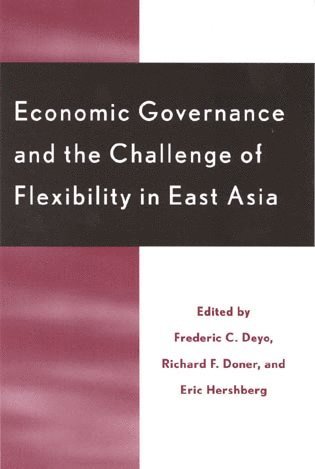
Economic Governance and the Challenge of Flexibility in East Asia
Frederic C. Deyo, Richard F. Doner, Eric Hershberg
Häftad, 2001
819 kr
Hoppa över listan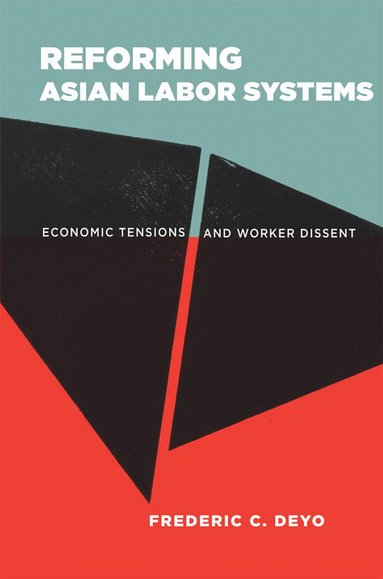




Du kanske också är intresserad av
Economic Governance and the Challenge of Flexibility in East Asia
Frederic C. Deyo, Richard F. Doner, Eric Hershberg
Häftad, 2001
819 kr
- Nyhet
Del 6
- Nyhet
Del 3
- Nyhet
Del 7
- Nyhet
Del 4