
Del 27
Psychotherapy for Children and Adolescents
Evidence-Based Treatments and Case Examples
Häftad, Engelska, 2004
1 579 kr
Beställningsvara. Skickas inom 5-8 vardagar. Fri frakt för medlemmar vid köp för minst 249 kr.
Finns i fler format (1)
In this book, a clinical scientist highlights youth psychotherapies that have been tested and shown to work. Treatments for fears and anxiety, depression, attention deficits and ADHD, and conduct problems and disorder are described in detail, their conceptual basis explained, their clinical application illustrated by richly developed case examples, and their prospects for use in clinical practice examined closely. This clinical perspective is complemented by summaries and critiques of the empirical evidence on each treatment and by commentaries on what questions remain unanswered. The author's clinical and scientific experience converge to produce a uniquely valuable experience on exemplary treatments for children and adolescents.
Produktinformation
- Utgivningsdatum2004-02-23
- Mått150 x 225 x 25 mm
- Vikt730 g
- FormatHäftad
- SpråkEngelska
- Antal sidor544
- FörlagCambridge University Press
- ISBN9780521576727
Tillhör följande kategorier
Hoppa över listan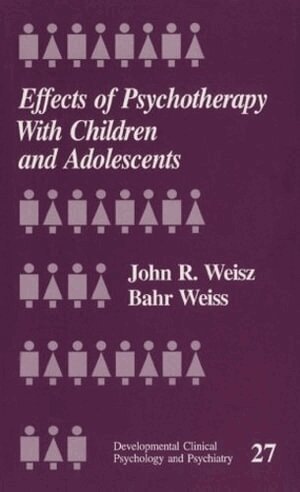
Mer från samma författare
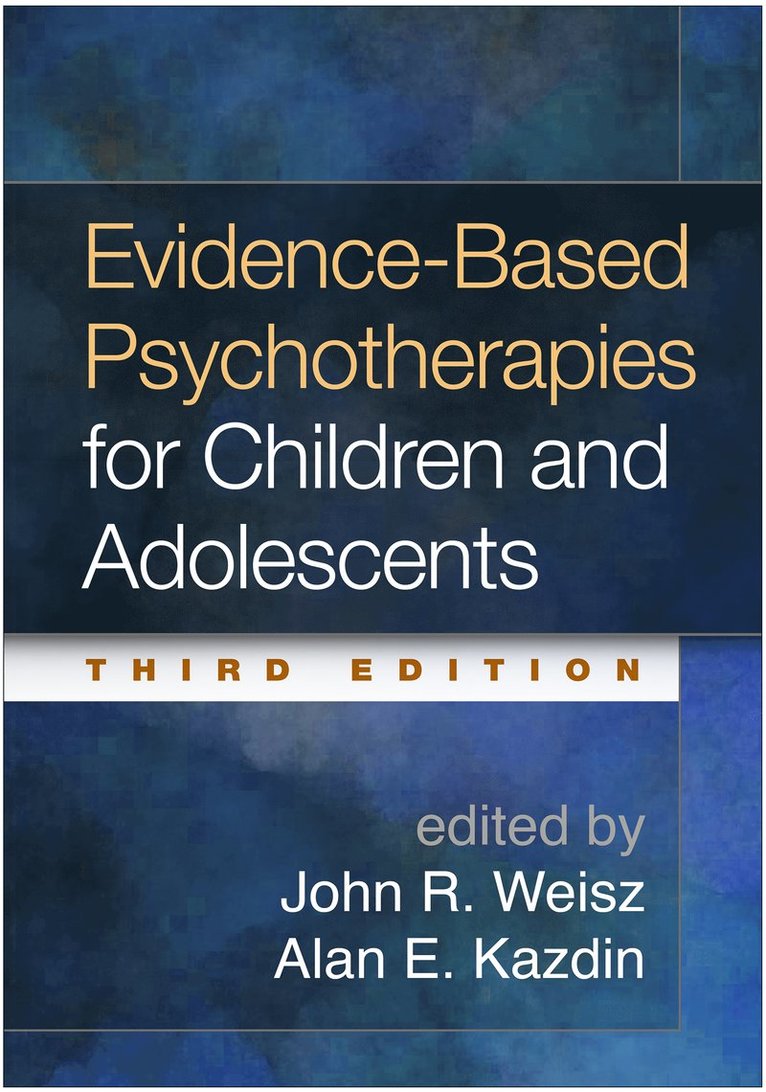
Evidence-Based Psychotherapies for Children and Adolescents, Third Edition
John R. Weisz, Alan E. Kazdin
Inbunden, 2017
1 479 kr
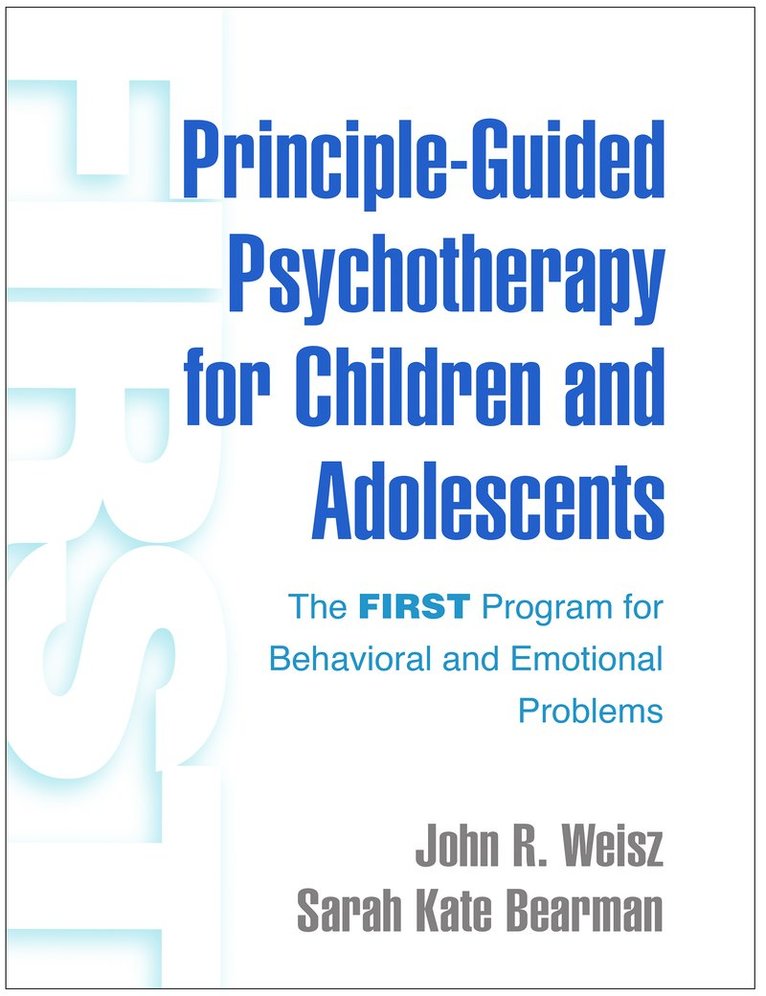
Principle-Guided Psychotherapy for Children and Adolescents
John R. Weisz, Sarah Kate Bearman
Häftad, 2020
689 kr
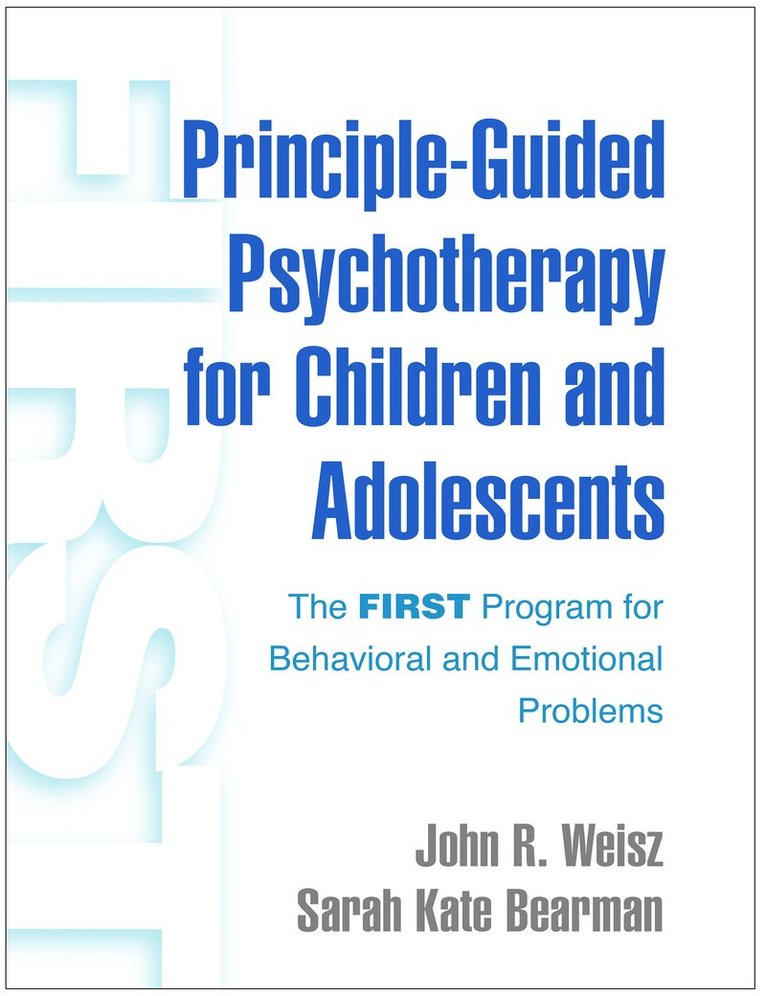
Principle-Guided Psychotherapy for Children and Adolescents
John R. Weisz, Sarah Kate Bearman
Inbunden, 2020
1 059 kr
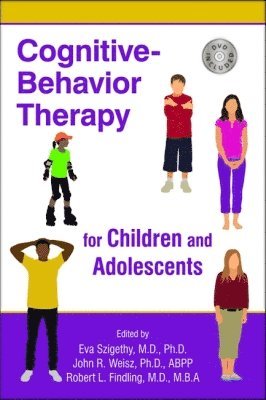
Cognitive-Behavior Therapy for Children and Adolescents
Eva Szigethy, John R. Weisz, Robert L. Findling
Häftad, 2012
1 179 kr
Hoppa över listan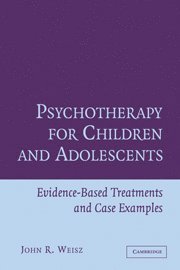




Du kanske också är intresserad av
Cognitive-Behavior Therapy for Children and Adolescents
Eva Szigethy, John R. Weisz, Robert L. Findling
Häftad, 2012
1 179 kr
Principle-Guided Psychotherapy for Children and Adolescents
John R. Weisz, Sarah Kate Bearman
Häftad, 2020
689 kr
Del 27
Principle-Guided Psychotherapy for Children and Adolescents
John R. Weisz, Sarah Kate Bearman
Inbunden, 2020
1 059 kr
Evidence-Based Psychotherapies for Children and Adolescents, Third Edition
John R. Weisz, Alan E. Kazdin
Inbunden, 2017
1 479 kr
- Nyhet
- Nyhet
Del 11
- Nyhet
- Nyhet
Del 3