
Prose Lives of Venantius Fortunatus
- Nyhet
Hagiography and the Laity in Sixth-Century Gaul
Inbunden, Engelska, 2026
3 219 kr
Beställningsvara. Skickas inom 10-15 vardagar. Fri frakt för medlemmar vid köp för minst 249 kr.
This book analyzes the prose hagiographies written by the poet Venantius Fortunatus (c.530-c.600/609CE) to ascertain how they were used in the pastoral care of the Christian laity in sixth-century Gaul, particularly through their recitation in the mass.Applying methods from semiotics, narratology, and philology to recover the multi-faceted moral and spiritual teachings that would have emerged from their interpretation in this original, lost oral context, the book demonstrates that Fortunatus narratively promoted a predestinarian view of grace and free will. The prose vitae used religious outsiders as objects of intra-Christian edification, and reinforced ecclesiastical strictures on women’s sexuality and place in the church. The book closes with an extended analysis of the Life of Queen Radegund, arguing that Fortunatus fashioned this saint as a preeminent exemplar and recipient of lay piety. This study not only uncovers the pastoral significance of Fortunatus’ hagiography but also reveals the poet’s unacknowledged merit as a serious pastoral thinker.This book breaks new ground in hagiography studies and will be of interest to researchers and enthusiasts of late antique history and literature.
Produktinformation
- Utgivningsdatum2026-08-24
- Mått156 x 234 x 13 mm
- Vikt520 g
- FormatInbunden
- SpråkEngelska
- SerieSocial Worlds of Late Antiquity and the Early Middle Ages
- Antal sidor182
- FörlagAmsterdam University Press
- ISBN9789463725699
Tillhör följande kategorier
Hoppa över listan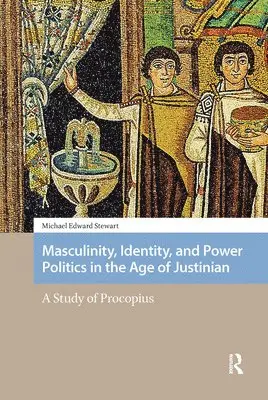

Du kanske också är intresserad av
Del 4
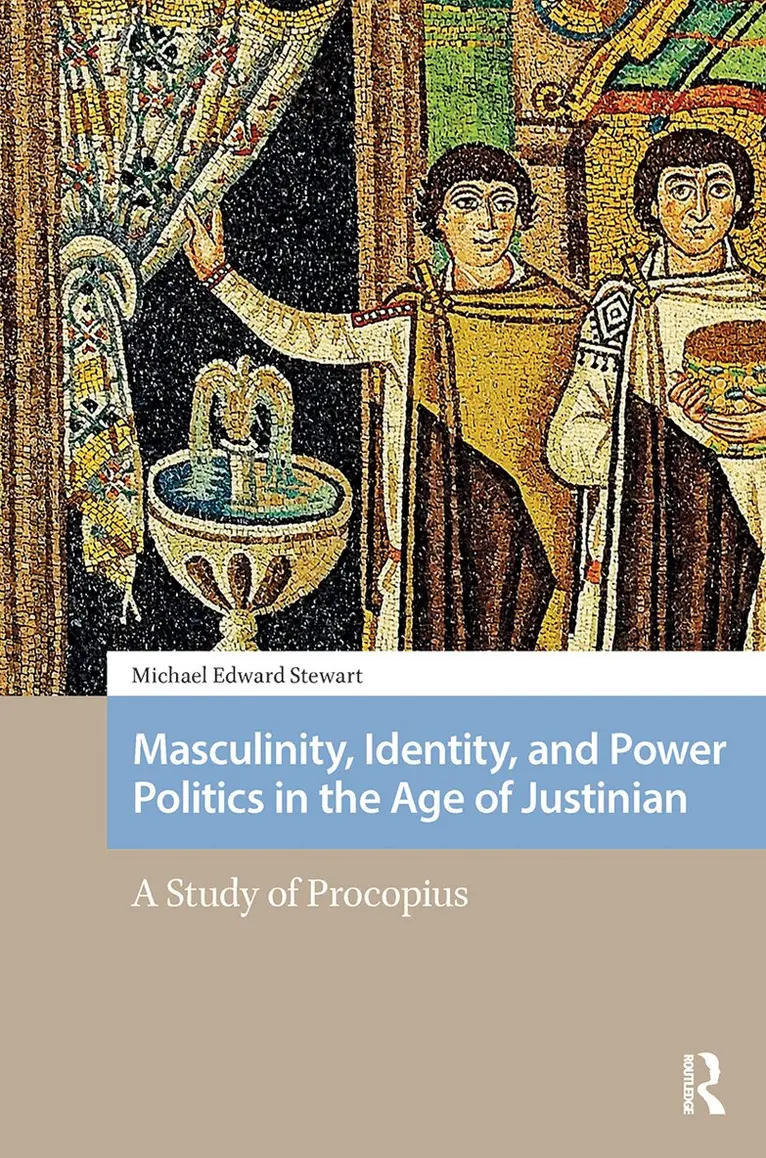
Masculinity, Identity, and Power Politics in the Age of Justinian
Michael Stewart
Inbunden, 2020
2 819 kr
Del 1
Del 9
Urban Developments in Late Antique and Medieval Rome
Gregor Kalas, Ann van Dijk
Inbunden, 2021
3 319 kr
Del 6