
President on Capitol Hill
A Theory of Institutional Influence
Inbunden, Engelska, 2019
1 549 kr
Beställningsvara. Skickas inom 5-8 vardagar. Fri frakt för medlemmar vid köp för minst 249 kr.
Finns i fler format (1)
Can presidents influence whether Congress enacts their agenda? Most research on presidential-congressional relations suggests that presidents have little if any influence on Congress. Instead, structural factors like party control largely determine the fate of the president’s legislative agenda. In The President on Capitol Hill, Jeffrey E. Cohen challenges this conventional view, arguing that existing research has underestimated the president’s power to sway Congress and developing a new theory of presidential influence.Cohen demonstrates that by taking a position, the president converts an issue from a nonpresidential into a presidential one, which leads members of Congress to consider the president’s views when deciding how to vote. Presidential position taking also converts the factors that normally affect roll call voting—such as party, public opinion, and policy type—into resources that presidents can leverage to influence the vote. By testing all House roll calls from 1877 to 2012, Cohen finds that not only do presidents have more influence than previously thought, but through their influence, they can affect the substance of public policy. The President on Capitol Hill offers a new perspective on presidential-congressional relations, showing that presidents are not simply captives of larger political forces but rather major players in the legislative process.
Produktinformation
- Utgivningsdatum2019-06-11
- Mått152 x 229 x undefined mm
- FormatInbunden
- SpråkEngelska
- Antal sidor320
- FörlagColumbia University Press
- ISBN9780231189149
Tillhör följande kategorier
Hoppa över listan



Mer från samma författare
American Political Parties
Jeffrey E. Cohen, Richard Fleisher, Jeffrey E Cohen, Paul Kantor, Jeffrey E Cohen, Richard Fleisher, Paul Kantor
Häftad, 2001
2 519 kr
Hoppa över listan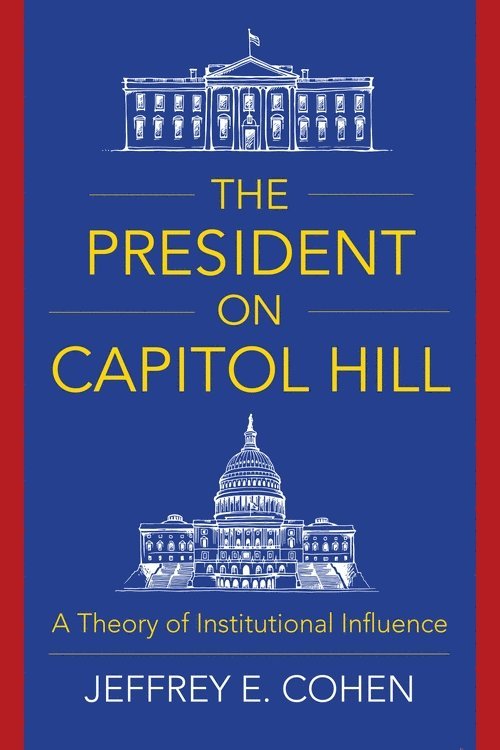
Du kanske också är intresserad av
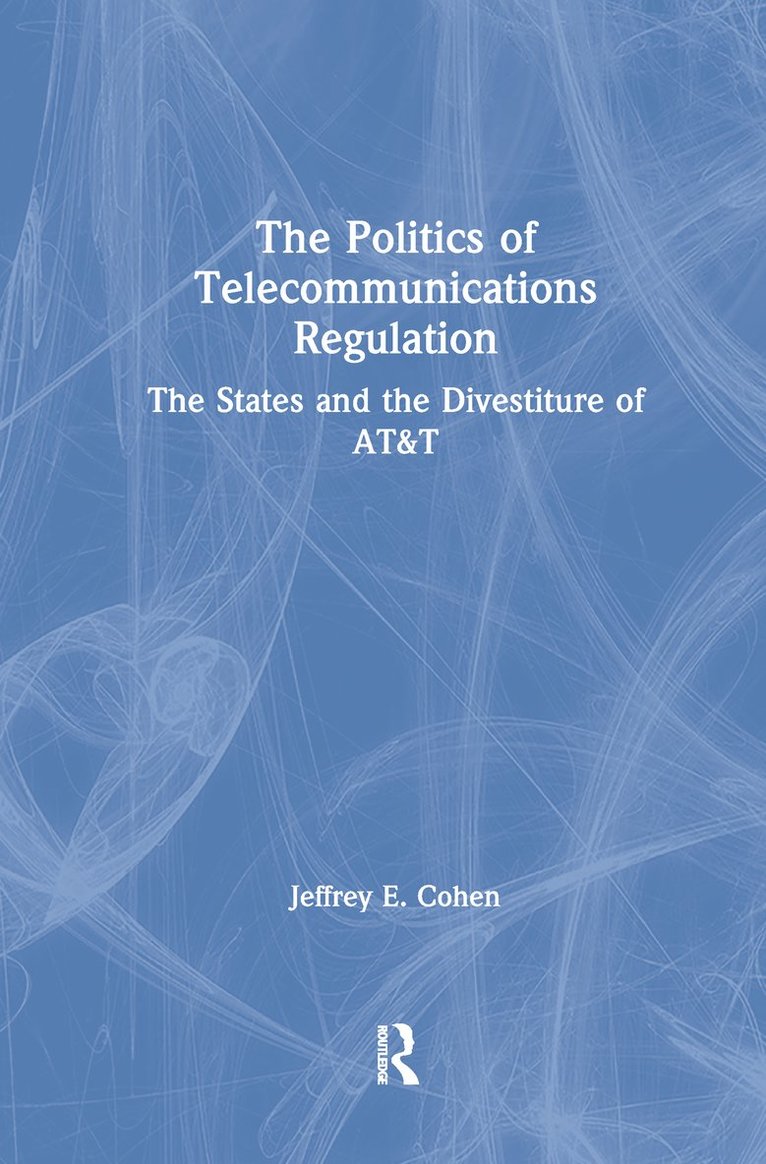
Politics of Telecommunications Regulation: The States and the Divestiture of AT&T
Jeffrey E. Cohen
Inbunden, 1992
2 039 kr
American Political Parties
Jeffrey E. Cohen, Richard Fleisher, Jeffrey E Cohen, Paul Kantor, Jeffrey E Cohen, Richard Fleisher, Paul Kantor
Häftad, 2001
2 519 kr