
Del i serien Studies in International Law
Predictability and Flexibility in the Law of Maritime Delimitation
Inbunden, Engelska, 2019
1 839 kr
Beställningsvara. Skickas inom 10-15 vardagar. Fri frakt för medlemmar vid köp för minst 249 kr.
Finns i fler format (1)
This fully revised new edition offers a comprehensive picture of the law of maritime delimitation, incorporating all new cases and State practice in this field. As with all types of law, the law of maritime delimitation should possess a degree of predictability. On the other hand, as maritime delimitation cases differ, flexible considerations of geographical and non-geographical factors are also required in order to achieve equitable results. How, then, is it possible to ensure predictability while taking into account a number of diverse factors in order to achieve an equitable result? This is the question at the heart of the law of maritime delimitation. This book explores a well-balanced legal framework that reconciles predictability and flexibility in the law of maritime delimitation by looking at three aspects of the question: first it reviews the evolution of the law of maritime delimitation; second, it undertakes a comparative study of the case law and State practice; and third, it critically assesses the law of maritime delimitation in its current form.
Produktinformation
- Utgivningsdatum2019-11-14
- Mått156 x 234 x undefined mm
- Vikt1 088 g
- FormatInbunden
- SpråkEngelska
- SerieStudies in International Law
- Antal sidor616
- Upplaga2
- FörlagBloomsbury Publishing PLC
- ISBN9781509912117
Hoppa över listan








Mer från samma författare
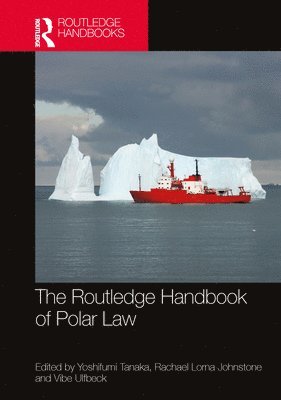
Routledge Handbook of Polar Law
Yoshifumi Tanaka, Rachael Johnstone, Vibe Ulfbeck
Inbunden, 2023
4 379 kr
Hoppa över listan









Mer från samma serie
States, the Law and Access to Refugee Protection
Maria O'Sullivan, Dallal Stevens
Inbunden, 2017
1 669 kr
International Committee of the Red Cross and its Mandate to Protect and Assist
Christy Shucksmith
Inbunden, 2017
1 589 kr
Hoppa över listan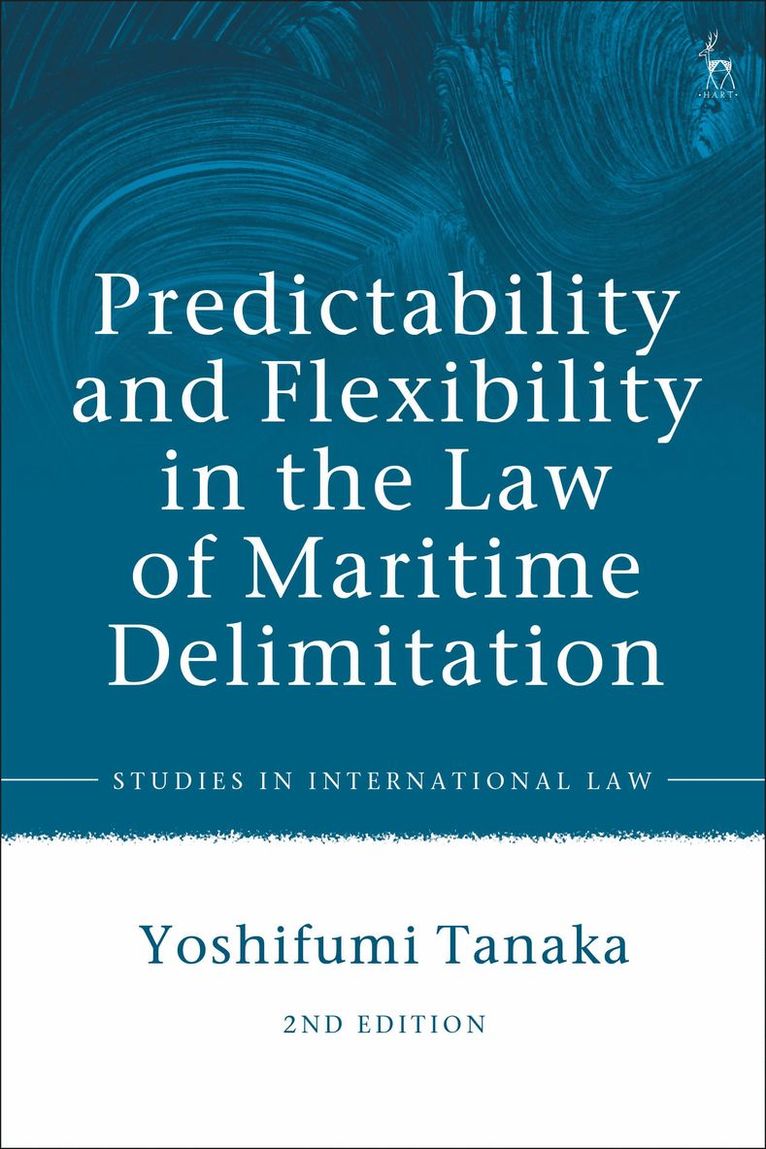


Du kanske också är intresserad av
Predictability and Flexibility in the Law of Maritime Delimitation
Yoshifumi Tanaka
Häftad, 2021
839 kr