
Del i serien Globalization: Law and Policy
Power, Procedure, Participation and Legitimacy in Global Sustainability Norms
A Theory of Collaborative Regulation
Häftad, Engelska, 2019
629 kr
Beställningsvara. Skickas inom 10-15 vardagar. Fri frakt för medlemmar vid köp för minst 249 kr.
Finns i fler format (1)
Globalisation of the market, law and politics contributes to a diversity of transnational sustainability problems whose solutions exceed the territorial jurisdictional limits of nation states in which their effects are generated or occur. The rise of the business sector as a powerful global actor with a claim to participation and potential contributions as well as adverse impacts sustainability complicates the regulatory challenge. Recent decades’ efforts to govern transitions towards sustainability through public or hybrid regulation display mixed records of support and results. In combination, these issues highlight the need for insights on what conditions multi-stakeholder regulation for a process that balances stakeholder power and delivers results perceived as legitimate by participants and broader society. This book responds to that need. Based on empirical experience on public-private regulation of global sustainability concerns and theoretical perspectives on transnational regulation, the book proposes a new theory on collaborative regulation. This theory sets out a procedural approach for multi-stakeholder regulation of global sustainability issues in a global legal and political order to provide for legitimacy of process and results. It takes account of the claims to participation of the private sector as well as civil society organisations and the need to balance power disparities.
Produktinformation
- Utgivningsdatum2019-03-22
- Mått174 x 246 x 20 mm
- Vikt453 g
- FormatHäftad
- SpråkEngelska
- SerieGlobalization: Law and Policy
- Antal sidor200
- FörlagTaylor & Francis Ltd
- ISBN9780367273453
Tillhör följande kategorier
Hoppa över listan


Mer från samma författare
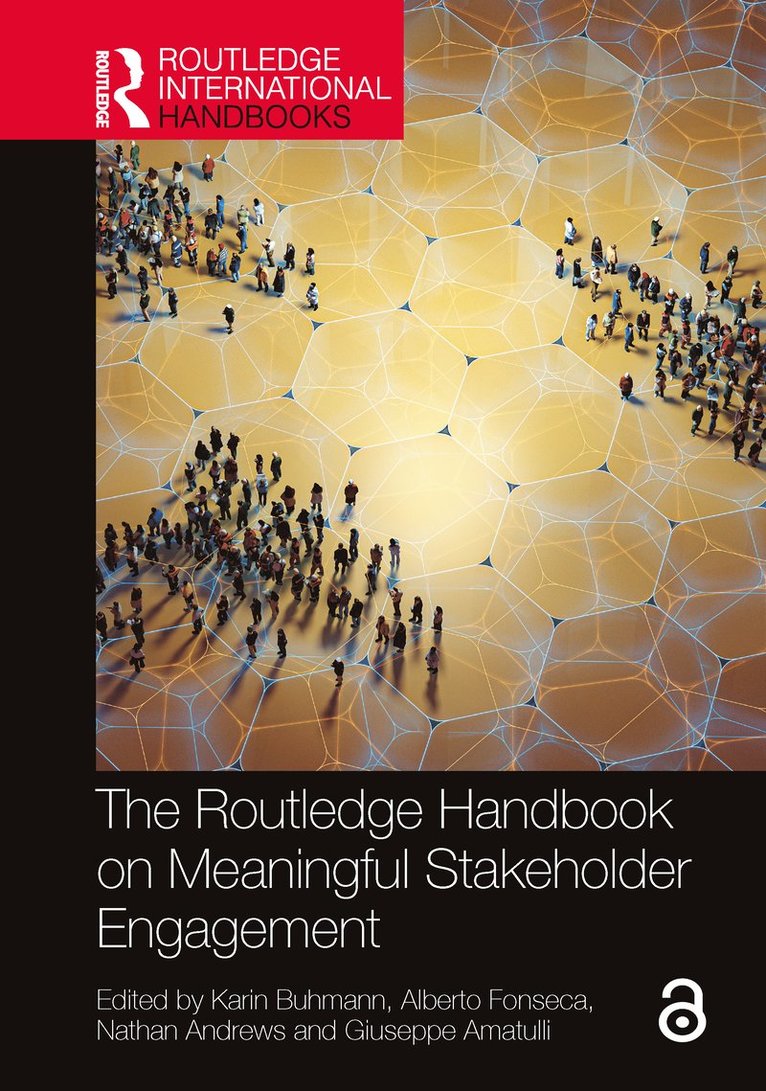
Routledge Handbook on Meaningful Stakeholder Engagement
Karin Buhmann, Alberto Fonseca, Nathan Andrews, Giuseppe Amatulli
Inbunden, 2024
4 859 kr
Routledge Handbook on Meaningful Stakeholder Engagement
Karin Buhmann, Alberto Fonseca, Nathan Andrews, Giuseppe Amatulli
Häftad, 2026
1 019 kr
Contested Consultations in the Extractive Industries
Paul A. Haslam, Nathan Andrews, Karin Buhmann, Ibironke T. Odumosu-Ayanu, Mark Stoddart
Inbunden, 2025
2 959 kr
Hoppa över listan


Mer från samma serie
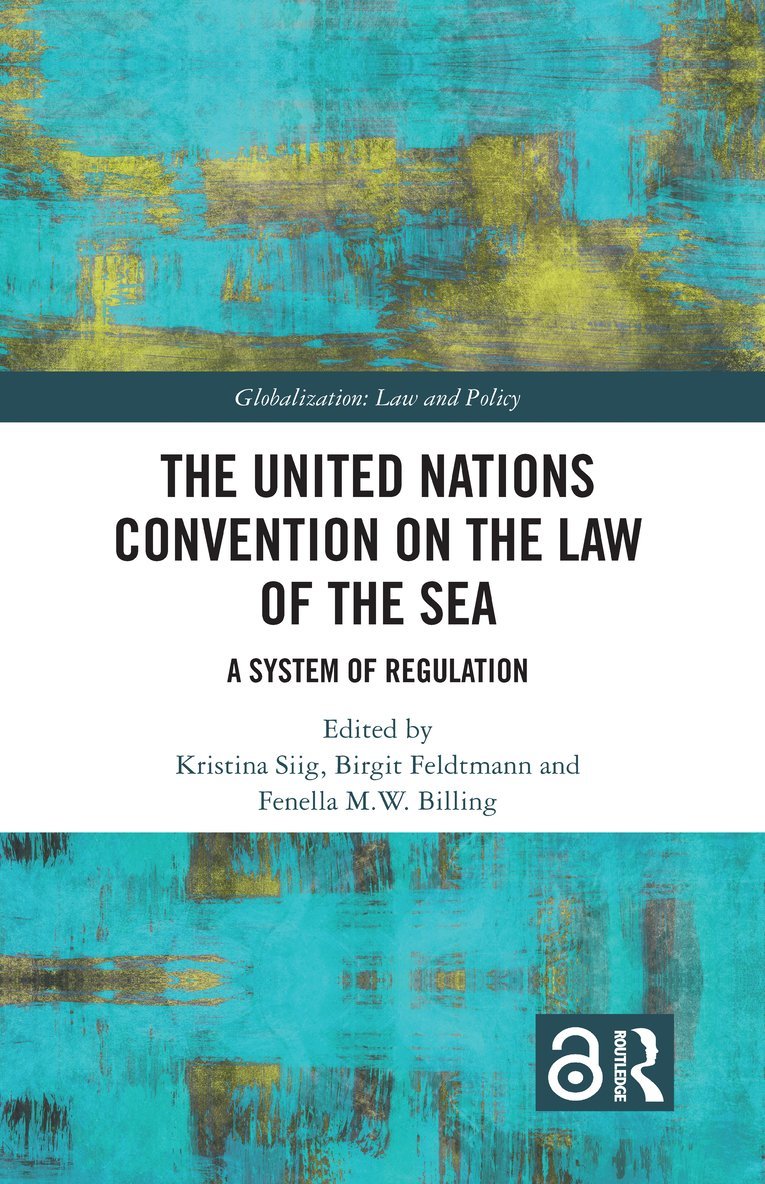
United Nations Convention on the Law of the Sea
Kristina Siig, Birgit Feldtmann, Fenella M.W. Billing
Inbunden, 2023
2 959 kr
United Nations Convention on the Law of the Sea
Kristina Siig, Birgit Feldtmann, Fenella M.W. Billing
Häftad, 2025
829 kr
Transnationalisation and Legal Actors
Bettina Lemann Kristiansen, Katerina Mitkidis, Louise Munkholm, Lauren Neumann, Cécile Pelaudeix
Häftad, 2021
809 kr
Hoppa över listan


Du kanske också är intresserad av
Power, Procedure, Participation and Legitimacy in Global Sustainability Norms
Karin Buhmann
Inbunden, 2017
2 959 kr
Routledge Handbook on Meaningful Stakeholder Engagement
Karin Buhmann, Alberto Fonseca, Nathan Andrews, Giuseppe Amatulli
Inbunden, 2024
4 859 kr
Routledge Handbook on Meaningful Stakeholder Engagement
Karin Buhmann, Alberto Fonseca, Nathan Andrews, Giuseppe Amatulli
Häftad, 2026
1 019 kr
Contested Consultations in the Extractive Industries
Paul A. Haslam, Nathan Andrews, Karin Buhmann, Ibironke T. Odumosu-Ayanu, Mark Stoddart
Inbunden, 2025
2 959 kr
- Nyhet
Del 3
United Nations Convention on the Law of the Sea
Kristina Siig, Birgit Feldtmann, Fenella M.W. Billing
Inbunden, 2023
2 959 kr