
Post-Soviet Politics of Utopia
Language, Fiction and Fantasy in Modern Russia
Inbunden, Engelska, 2019
2 529 kr
Beställningsvara. Skickas inom 10-15 vardagar. Fri frakt för medlemmar vid köp för minst 249 kr.
Finns i fler format (1)
More than 700 ‘utopian’ novels are published in Russia every year. These utopias – meaning here fantasy fiction, science fiction, space operas or alternative history – do not set out merely to titillate; instead they express very real Russian anxieties: be they territorial right-sizing, loss of imperial status or turning into a ‘colony’ of the West.Contributors to this innovative collection use these narratives to re-examine post-Soviet Russian political culture and identity. Interrogating the intersections of politics, ideologies and fantasies, chapters draw together the highbrow literary mainstream (authors such as Vladimir Sorokin), mass literature for entertainment and individuals who bridge the gap between fiction writers and intellectuals or ideologists (Aleksandr Prokhanov, for example, the editor-in-chief of Russia's far-right newspaper Zavtra). In the process The Post-Soviet Politics of Utopia sheds crucial light onto a variety of debates – including the rise of nationalism, right-wing populism, imperial revanchism, the complicated presence of religion in the public sphere, the function of language – and is important reading for anyone interested in the heightened importance of ideas, myths, alternative histories and conspiracy theories in Russia today.
Produktinformation
- Utgivningsdatum2019-09-19
- Mått138 x 216 x 27 mm
- Vikt585 g
- FormatInbunden
- SpråkEngelska
- Antal sidor376
- FörlagBloomsbury Publishing PLC
- ISBN9781788312288
Tillhör följande kategorier
Hoppa över listan
Mer från samma författare
Pan-Slavism and Slavophilia in Contemporary Central and Eastern Europe
Mikhail Suslov, Marek Čejka, Vladimir Ðorđević
Inbunden, 2023
2 369 kr
Pan-Slavism and Slavophilia in Contemporary Central and Eastern Europe
Mikhail Suslov, Marek Čejka, Vladimir Ðorđević
Häftad, 2024
2 369 kr
Del 155
Del 215
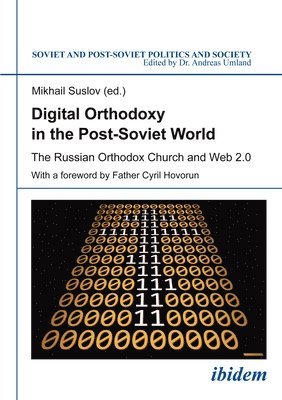
Digital Orthodoxy in the Post-Soviet World - The Russian Orthodox Church and Web 2.0
Mikhail Suslov, Mikhail Suslov
Häftad, 2021
549 kr
Hoppa över listan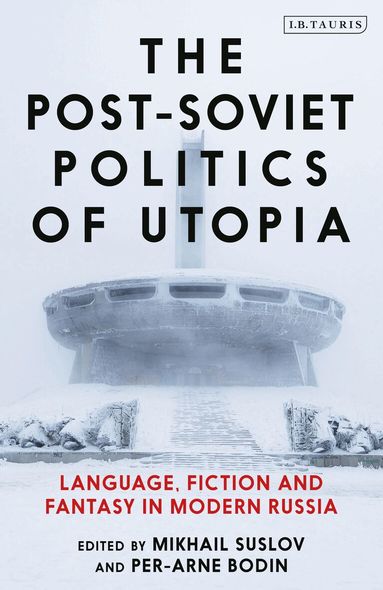
Du kanske också är intresserad av
Pan-Slavism and Slavophilia in Contemporary Central and Eastern Europe
Mikhail Suslov, Marek Čejka, Vladimir Ðorđević
Häftad, 2024
2 369 kr
Del 215
Pan-Slavism and Slavophilia in Contemporary Central and Eastern Europe
Mikhail Suslov, Marek Čejka, Vladimir Ðorđević
Inbunden, 2023
2 369 kr
Digital Orthodoxy in the Post-Soviet World - The Russian Orthodox Church and Web 2.0
Mikhail Suslov, Mikhail Suslov
Häftad, 2021
549 kr
Del 155