
Post-Colonial Statecraft in South East Asia
Sovereignty, State Building and the Chinese in the Philippines
Inbunden, Engelska, 2012
2 549 kr
Beställningsvara. Skickas inom 10-15 vardagar. Fri frakt för medlemmar vid köp för minst 249 kr.
Finns i fler format (1)
Stretched out along the Western rim of the Pacific, historically torn between Chinese and US influence, the Philippines has been troubled by internal conflicts since its independence in 1946. In 1972, following two decades of communist insurgency and social unrest, President Ferdinand Marcos imposed martial law and established a 14-year dictatorship. Although Marcos was overthrown in 1986, the democracy that followed, as in many South-East Asian states, has been beleaguered by insurgency, mutiny, corruption and violence. An incisive and historically informed ethnography of the region, Post-Colonial Statecraft in South East Asia, accounts for centralizing measures by the state and the resistance that it encounters when policing the frontiers. As the first study of its kind, and the result of several years of field research, Pak Nung Wong maps out the complex interweaving power structures of the tribal rulers in the northern regions of the Philippines.Featuring interviews with a range of local actors, including state officials, members of the judiciary, the police force, the Catholic Church, the military, the Chinese business community and the inarticulate ruled majority, Post-Colonial Statecraft in South East Asia provides a complete picture of Philippine political culture. By focusing on the governance techniques of three frontier strongmen of the Cagayan Valley; the late Lieutenant Colonel Rodolfo Aguinaldo, Dr Manuel Mamba of Tuao and Mr Delfin Ting of Tuguegarao City, the book argues that the success of Philippine post-colonial statecraft hinges on the integration of the provinces into the state's mechanisms of power.
Produktinformation
- Utgivningsdatum2012-11-22
- Mått138 x 216 x 32 mm
- Vikt601 g
- FormatInbunden
- SpråkEngelska
- Antal sidor360
- FörlagBloomsbury Publishing PLC
- ISBN9781848858978
Tillhör följande kategorier
Hoppa över listan
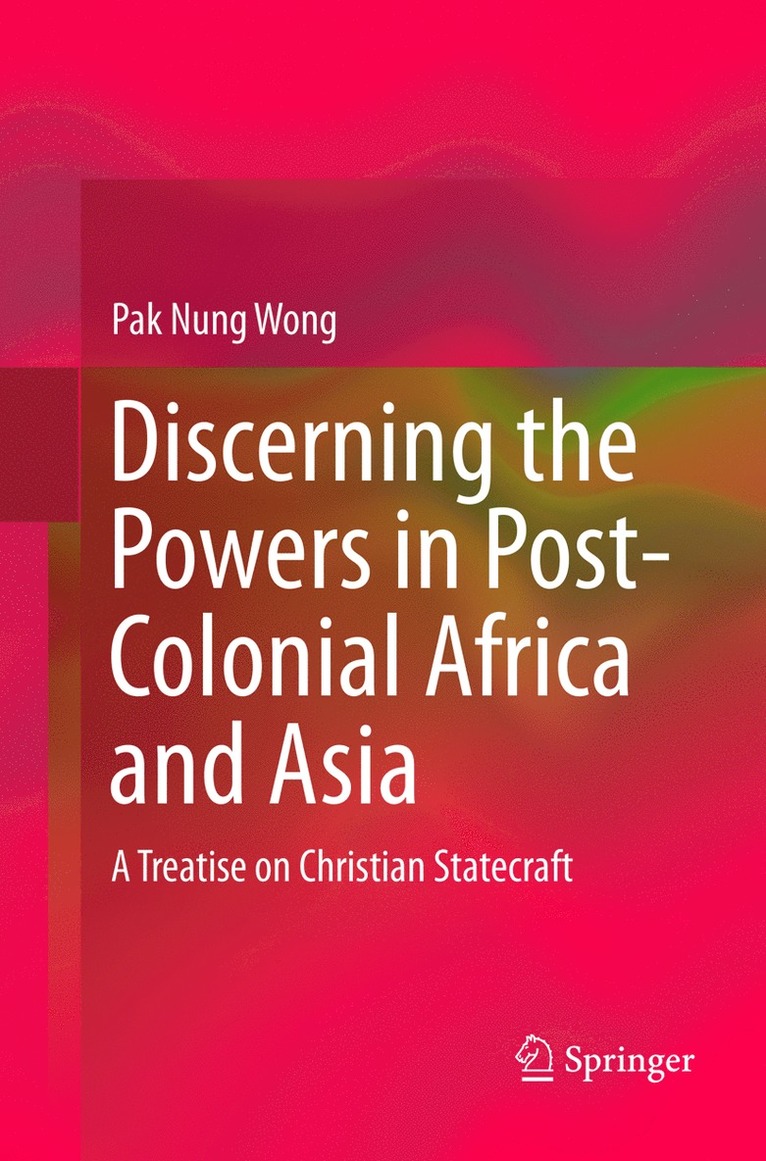
Mer från samma författare
Rice Policies of the Kingdom of Thailand, 1932 - 1960
Thasanaporn Tongsaen, Pak Nung Wong, Suchitra Chongstitvatana, Paul Vinod Khiatani
Inbunden, 2025
3 319 kr
Hoppa över listan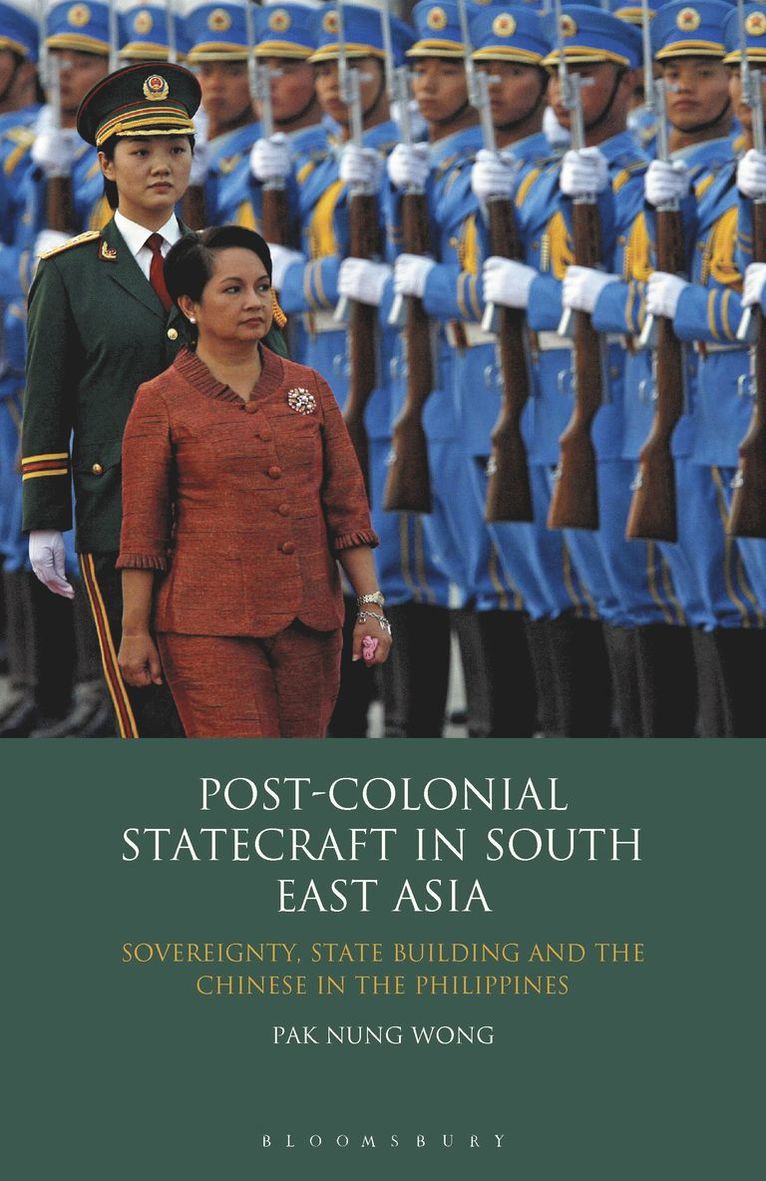
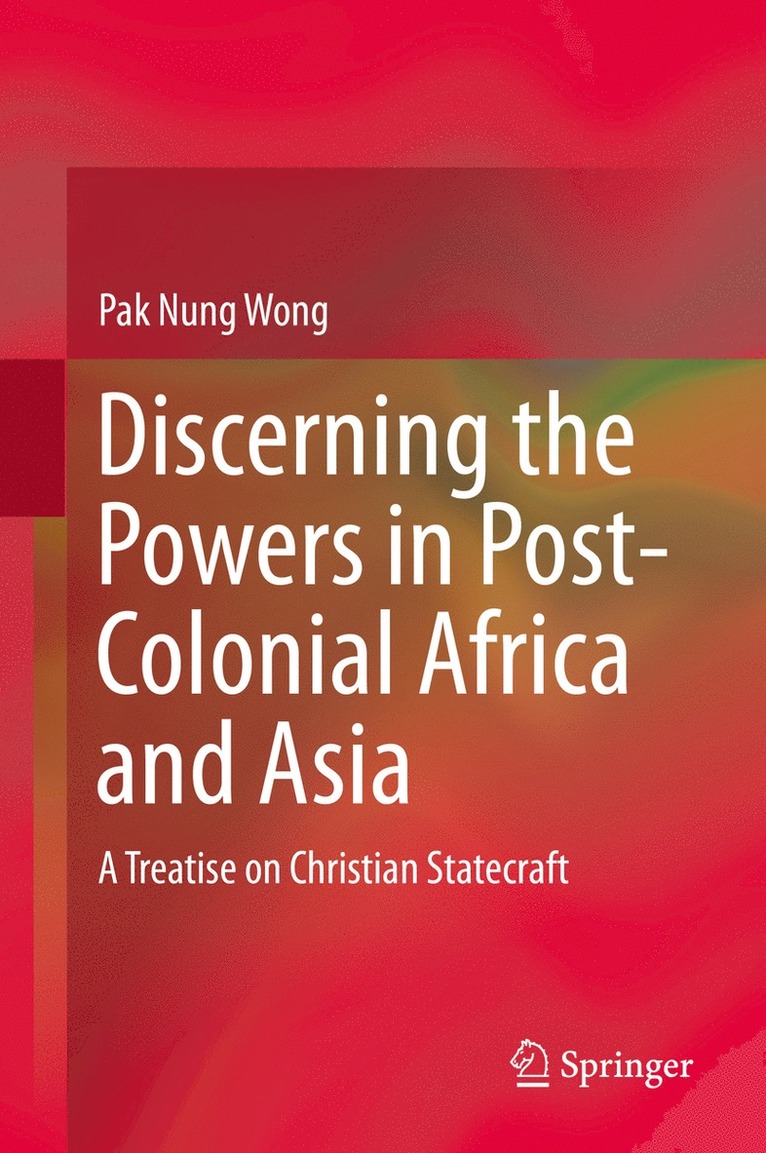
Du kanske också är intresserad av
Rice Policies of the Kingdom of Thailand, 1932 - 1960
Thasanaporn Tongsaen, Pak Nung Wong, Suchitra Chongstitvatana, Paul Vinod Khiatani
Inbunden, 2025
3 319 kr