
Del i serien Russian Language and Society
Politics of the Russian Language Beyond Russia
Häftad, Engelska, 2023
649 kr
Beställningsvara. Skickas inom 3-6 vardagar. Fri frakt för medlemmar vid köp för minst 249 kr.
Finns i fler format (1)
Examines Russian language politics and its impact on different Russian speaking communitiesExplores the language situation and general use of Russian in everyday life, in print media, television and social media Looks at the politics of Russian in a range of countries including Ukraine, Belarus, Khazahkstan, Moldova, Ireland and Germany Adopts a comparative approach to examine the institutional set-up and practice of Russia's language promotion in relation to its British, French and German counterparts Russian policy documents increasingly emphasise the importance of miagakaia sila for securing Russia's foreign policy interests. Looking at the politics of Russian in a range of countries including the Ukraine, Belarus, Kazakhstan, Moldova, Ireland and Germany, this book examines Russian language promotion and its reception in different countries and across different contexts. Bringing together leading scholars in the field, the book examines the politics of the Russian language, the role of the Russian Federation in influencing these politics and the challenges that the promotion of Russian faces in particular contexts across the globe. Taking a comparative approach, the book also examines the institutional set-up and practice of Russia's language promotion in relation to its British, French and German counterparts and against the history of Soviet cultural diplomacy.
Produktinformation
- Utgivningsdatum2023-05-22
- Mått156 x 234 x 19 mm
- Vikt418 g
- FormatHäftad
- SpråkEngelska
- SerieRussian Language and Society
- Antal sidor264
- FörlagEdinburgh University Press
- ISBN9781474463805
Tillhör följande kategorier
Hoppa över listan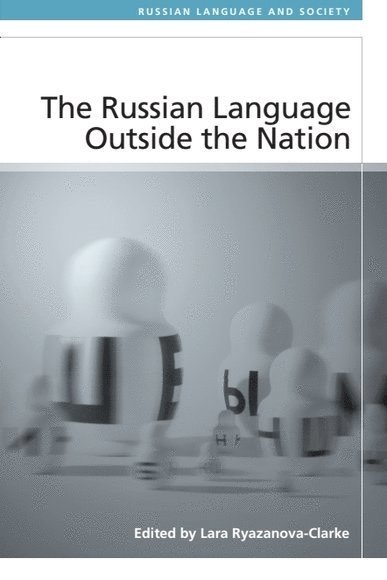

Mer från samma serie
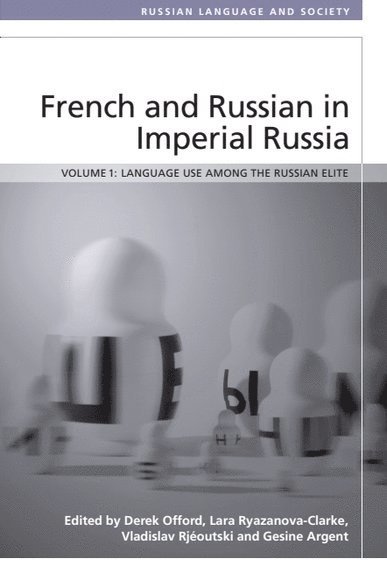
French and Russian in Imperial Russia
Derek Offord, Lara Ryazanova-Clarke, Vladislav Rjeoutski, Gesine Argent
Inbunden, 2015
1 609 kr
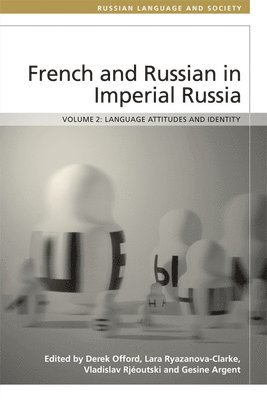
French and Russian in Imperial Russia
Derek Offord, Lara Ryazanova-Clarke, Vladislav Rjeoutski, Gesine Argent
Inbunden, 2015
1 609 kr
French and Russian in Imperial Russia
Derek Offord, Lara Ryazanova-Clarke, Vladislav Rjeoutski, Gesine Argent
Häftad, 2026
409 kr
French and Russian in Imperial Russia
Derek Offord, Lara Ryazanova-Clarke, Vladislav Rjeoutski, Gesine Argent
Häftad, 2026
409 kr