
Del i serien Political Evolution and Institutional Change
Politics of Pact-Making
Hungary's Negotiated Transition to Democracy in Comparative Perspective
Häftad, Engelska, 2015
719 kr
Beställningsvara. Skickas inom 10-15 vardagar. Fri frakt för medlemmar vid köp för minst 249 kr.
Finns i fler format (1)
Contributing to the literature on democratic transitions and with a focus on institutional bargaining, in this fascinating book the Hungarian case is contrasted with those of Poland, South Africa and China to explore the contours of what bargaining strategies affect outcomes. The result is an increased understanding of how actors and their interaction can make peaceful transition possible.
Produktinformation
- Utgivningsdatum2015-12-23
- Mått140 x 216 x 13 mm
- Vikt299 g
- FormatHäftad
- SpråkEngelska
- SeriePolitical Evolution and Institutional Change
- Antal sidor217
- Upplaga2005
- FörlagPalgrave Macmillan
- ISBN9781349532735
Tillhör följande kategorier
Hoppa över listan





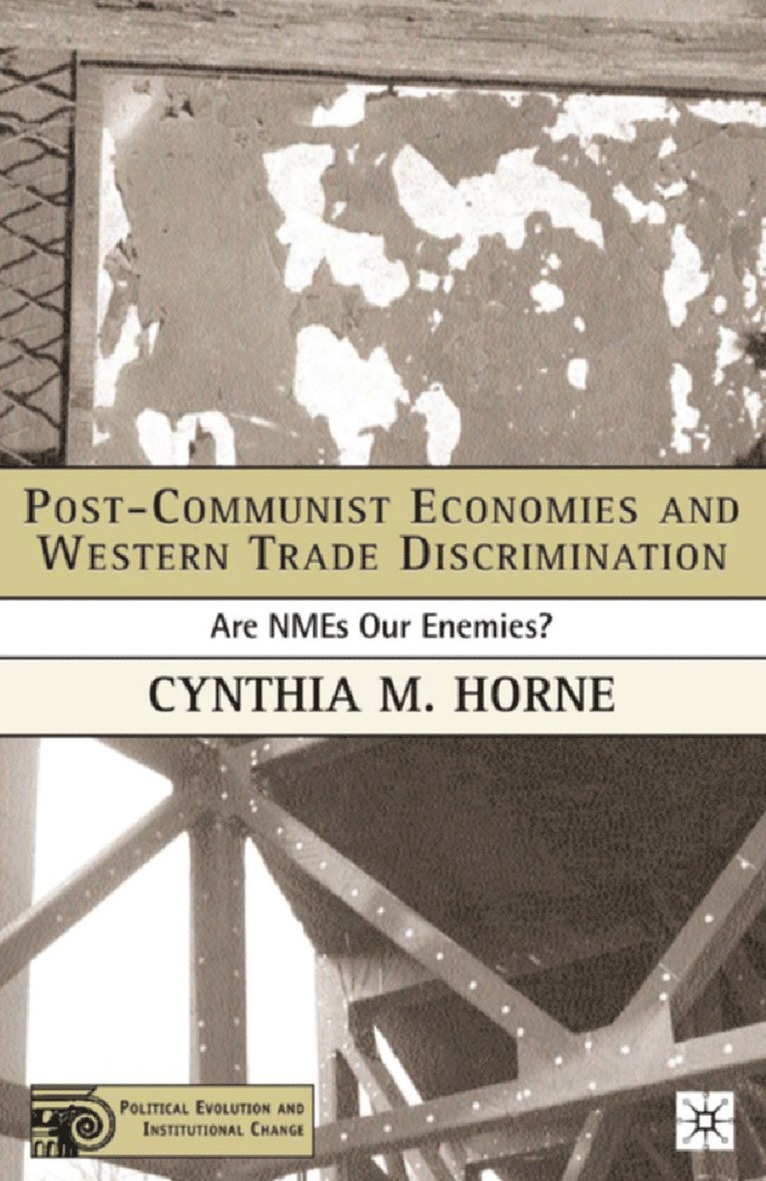
Mer från samma serie
Creating Social Trust in Post-Socialist Transition
J. Kornai, B. Rothstein, S. Rose-Ackerman
Häftad, 2015
719 kr
Hoppa över listan
Du kanske också är intresserad av
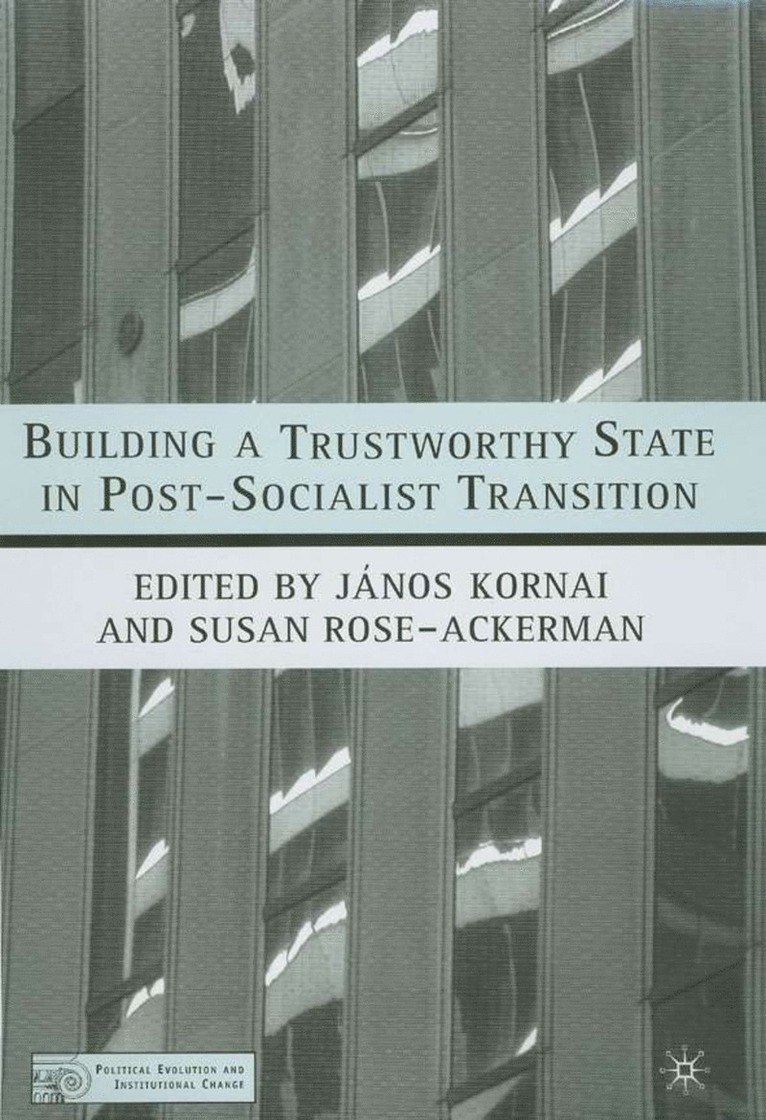
Building a Trustworthy State in Post-Socialist Transition
Janos Kornai, Susan Rose-Ackerman, J. Kornai
Inbunden, 2004
719 kr
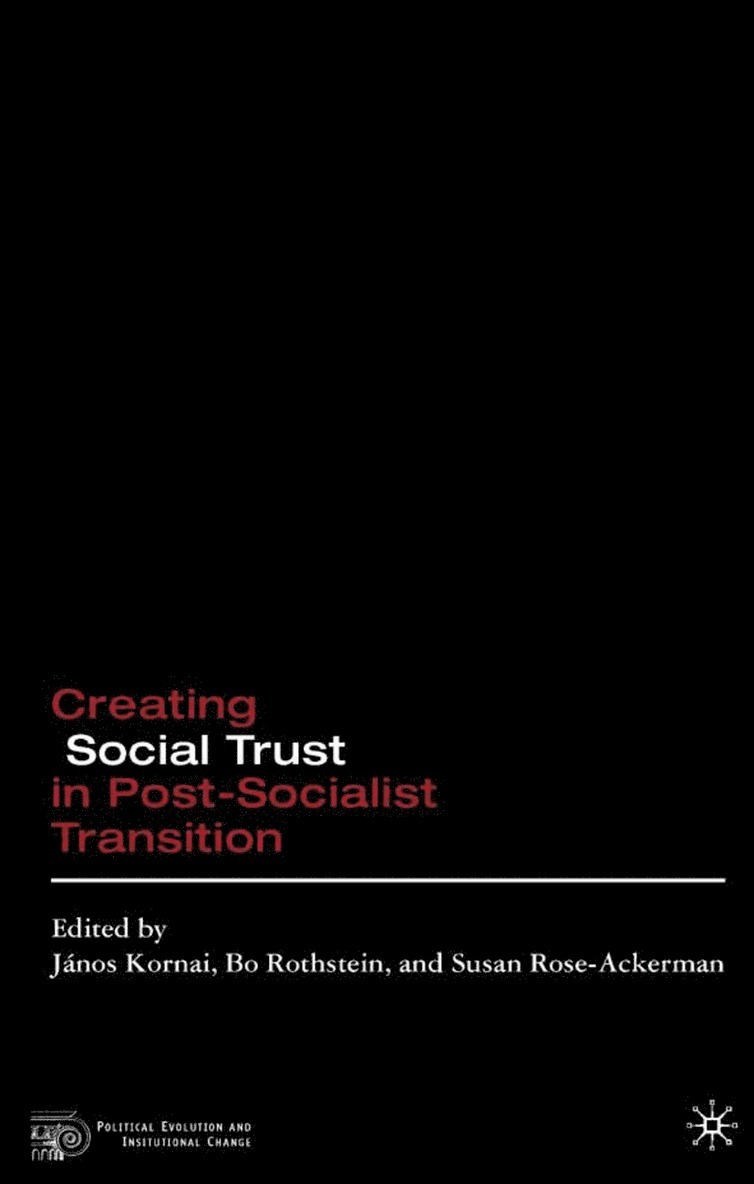
Creating Social Trust in Post-Socialist Transition
Janos Kornai, Bo Rothstein, J. Kornai, B. Rothstein, S. Rose-Ackerman
Inbunden, 2004
719 kr
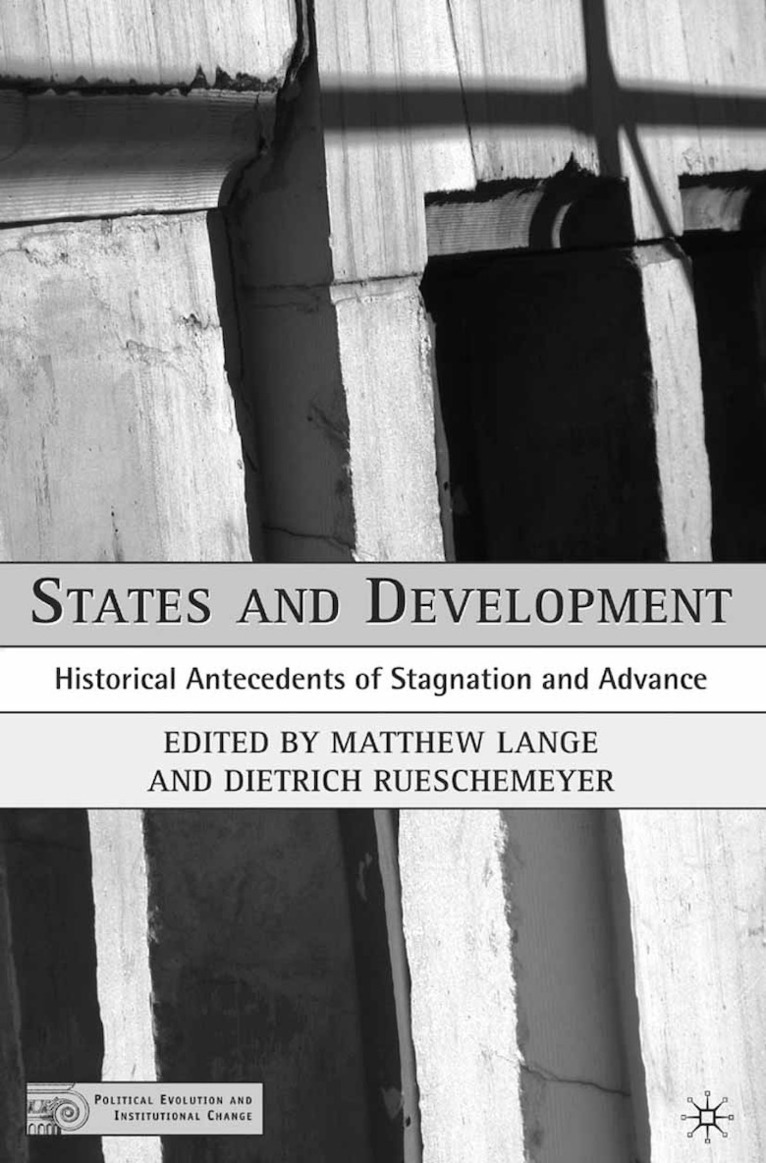
States and Development
M. Lange, D. Rueschemeyer, Matthew Lange, Dietrich Rueschemeyer
Häftad, 2005
599 kr
Creating Social Trust in Post-Socialist Transition
J. Kornai, B. Rothstein, S. Rose-Ackerman
Häftad, 2015
719 kr